Jason Wagner
Beer is often enjoyed for its refreshing taste, especially on hot days. However, there's a common misconception about its effects on hydration. While beer contains water, it's also a diuretic, which means it can increase urine production and potentially lead to dehydration if consumed in excess. The alcohol in beer interferes with the body's ability to regulate fluid balance, causing you to lose more fluids than you take in. So, is beer good for dehydration? The answer is complex and depends on various factors, including the amount consumed, the individual's overall health, and the environmental conditions.
Explore related products


What You'll Learn
- Beer's Diuretic Effects: Beer may increase urine production, potentially worsening dehydration due to its alcohol content
- Fluid Content in Beer: While beer contains some water, its alcohol percentage can lead to a net loss of fluids
- Electrolyte Imbalance: Beer doesn't replenish electrolytes lost through sweat, which are crucial for proper hydration
- Dehydration Symptoms: Drinking beer might mask dehydration symptoms like dizziness and fatigue, delaying proper rehydration
- Alternatives for Hydration: Water, sports drinks, and coconut water are more effective options for rehydration than beer

Beer's Diuretic Effects: Beer may increase urine production, potentially worsening dehydration due to its alcohol content
Alcohol, a key component in beer, is known for its diuretic properties. This means that it can increase the rate of urine production, leading to a higher fluid loss from the body. While this might seem beneficial for those looking to reduce water retention, it can actually exacerbate dehydration, especially in situations where fluid intake is already compromised.
The diuretic effect of alcohol is primarily due to its ability to inhibit the release of antidiuretic hormone (ADH). ADH is responsible for regulating the amount of water reabsorbed by the kidneys. When alcohol suppresses ADH, the kidneys excrete more water, resulting in increased urine production. This can lead to a significant loss of fluids and electrolytes, which are essential for maintaining proper bodily functions.
In the context of dehydration, consuming beer can be particularly problematic. Dehydration occurs when the body loses more fluids than it takes in, and alcohol can accelerate this process. Symptoms of dehydration include thirst, dry mouth, fatigue, dizziness, and dark urine. If left untreated, dehydration can lead to more severe health issues, such as heatstroke, kidney stones, and even organ failure.
It is important to note that the diuretic effects of alcohol can vary depending on individual factors, such as tolerance, body weight, and overall health. However, as a general rule, it is advisable to avoid consuming alcohol, including beer, when trying to combat dehydration. Instead, opting for water or other hydrating beverages is a more effective strategy for replenishing lost fluids and electrolytes.
In summary, while beer may provide some temporary relief from water retention due to its diuretic properties, it can ultimately worsen dehydration by increasing fluid loss. Therefore, it is not recommended as a remedy for dehydration, and individuals should seek alternative methods to stay properly hydrated.
Exploring the Rich Flavor Profile of Guinness Beer: A Connoisseur's Delight
You may want to see also
Explore related products



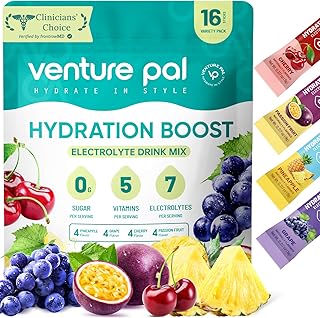
Fluid Content in Beer: While beer contains some water, its alcohol percentage can lead to a net loss of fluids
Beer, a popular alcoholic beverage, is primarily composed of water, barley, hops, and yeast. While it does contain some water, the alcohol percentage in beer can lead to a net loss of fluids in the body. This is because alcohol is a diuretic, which means it increases urine production and can cause dehydration if consumed in excess.
The fluid content in beer varies depending on the type and brewing process. On average, beer contains about 90-95% water. However, the alcohol content can range from 4-6% in most beers, with some specialty beers having even higher alcohol percentages. This alcohol content can lead to dehydration if not balanced with adequate water intake.
When considering whether beer is good for dehydration, it's important to understand the balance between fluid intake and loss. While beer does provide some fluids, the diuretic effect of alcohol can lead to a net loss of fluids if consumed in excess. This can be particularly problematic in situations where hydration is crucial, such as during physical activity or in hot weather.
To mitigate the dehydrating effects of beer, it's recommended to consume water alongside alcoholic beverages. A general guideline is to drink at least one glass of water for every alcoholic drink consumed. This can help maintain proper hydration levels and reduce the risk of dehydration.
In conclusion, while beer does contain some water, its alcohol percentage can lead to a net loss of fluids in the body. To enjoy beer responsibly and maintain proper hydration, it's important to balance beer consumption with adequate water intake.
Exploring the Surprising Benefits of Beer for Your Skin
You may want to see also
Explore related products


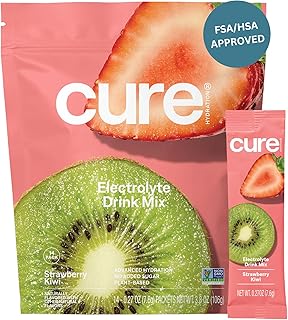

Electrolyte Imbalance: Beer doesn't replenish electrolytes lost through sweat, which are crucial for proper hydration
Electrolytes are minerals in your blood and other body fluids that carry an electric charge. They are essential for life and crucial for proper hydration. When you sweat, you lose electrolytes, which need to be replenished to maintain the correct balance in your body. Beer, despite being a liquid, does not effectively replenish these lost electrolytes.
One of the primary reasons beer is not good for dehydration is its alcohol content. Alcohol is a diuretic, which means it increases the amount of urine your body produces. This leads to further loss of fluids and electrolytes, exacerbating dehydration. Additionally, beer is typically low in essential electrolytes like sodium, potassium, and magnesium, which are vital for maintaining proper hydration levels.
To effectively rehydrate after sweating, it's important to consume fluids that contain a balance of electrolytes. Sports drinks, coconut water, and even plain water with a pinch of salt can be better options than beer for replenishing lost electrolytes. These beverages are designed to mimic the electrolyte composition of sweat and help restore the body's fluid balance.
In summary, while beer may provide some temporary relief from thirst, it is not an effective solution for dehydration due to its lack of essential electrolytes and its diuretic properties. For proper hydration, especially after sweating, it's best to opt for electrolyte-rich beverages that can help restore the body's fluid balance.
Exploring the Taste: Is Corona a Good Beer Choice?
You may want to see also
Explore related products



Dehydration Symptoms: Drinking beer might mask dehydration symptoms like dizziness and fatigue, delaying proper rehydration
Dehydration symptoms such as dizziness and fatigue can be masked by drinking beer, which may delay proper rehydration. This is because alcohol, a diuretic, increases urine production and can lead to a loss of electrolytes, further exacerbating dehydration. While beer may provide some hydration due to its water content, the diuretic effects of alcohol can outweigh this benefit, making it an ineffective choice for rehydration.
One of the key reasons why beer is not recommended for dehydration is its impact on the body's ability to regulate fluid balance. When dehydrated, the body needs to replenish lost fluids and electrolytes to restore balance. However, alcohol consumption can interfere with this process by increasing urine production and causing a loss of essential minerals like sodium and potassium. This can lead to a worsening of dehydration symptoms and potentially cause more severe health issues if left untreated.
It is important to note that the masking of dehydration symptoms by beer can be particularly dangerous in certain situations. For example, individuals who are already dehydrated from physical activity or exposure to high temperatures may be at risk of further dehydration if they consume beer. Additionally, those who are not aware of the diuretic effects of alcohol may mistakenly believe that they are rehydrating when, in fact, they are making the situation worse.
To effectively rehydrate, it is recommended to consume water or other hydrating beverages that do not contain alcohol. These options can help replenish lost fluids and electrolytes without the risk of further dehydration. In cases of severe dehydration, medical attention may be necessary to ensure proper rehydration and prevent complications.
In conclusion, while beer may seem like a tempting option for rehydration due to its water content, its diuretic effects can actually worsen dehydration symptoms and delay proper rehydration. It is important to choose hydrating beverages wisely and to be aware of the potential risks associated with consuming alcohol when dehydrated.
Exploring the World of Craft Beers: A Connoisseur's Guide
You may want to see also
Explore related products
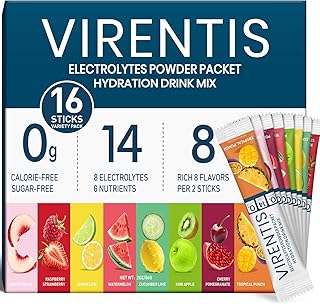


Alternatives for Hydration: Water, sports drinks, and coconut water are more effective options for rehydration than beer
While beer may seem like a refreshing choice after a long day or a strenuous workout, it's not the best option for rehydration. In fact, water, sports drinks, and coconut water are more effective alternatives for replenishing fluids and electrolytes lost through sweat. Beer contains alcohol, which is a diuretic that can actually increase urine production and lead to further dehydration. Additionally, beer is often high in calories and carbohydrates, which can slow down the absorption of fluids and electrolytes.
Water is the simplest and most effective option for rehydration. It's calorie-free and readily available, making it an ideal choice for staying hydrated during and after physical activity. Sports drinks are another good option, as they contain electrolytes like sodium and potassium that are lost through sweat. Coconut water is a natural source of electrolytes and also contains antioxidants that can help reduce inflammation and improve recovery.
When choosing a hydration option, it's important to consider the intensity and duration of the physical activity. For moderate exercise, water is usually sufficient. However, for more intense or prolonged activities, sports drinks or coconut water may be a better choice to replenish lost electrolytes. It's also important to drink fluids regularly throughout the day, rather than waiting until you feel thirsty.
In conclusion, while beer may seem like a tempting option for rehydration, it's not the best choice. Water, sports drinks, and coconut water are more effective alternatives for replenishing fluids and electrolytes lost through sweat. By choosing the right hydration option and drinking fluids regularly, you can stay properly hydrated and perform at your best.
Exploring the Taste and Reputation of Samuel Adams Beer
You may want to see also
Frequently asked questions
No, beer is not good for dehydration. While it may seem refreshing, beer is a diuretic, which means it increases urine production and can lead to further dehydration.
Beer is considered a diuretic because it contains alcohol, which interferes with the body's ability to reabsorb water. This leads to increased urine production, causing the body to lose more fluids than it takes in.
Some better alternatives to beer for hydration include water, sports drinks, coconut water, and herbal teas. These options help replenish fluids and electrolytes without the dehydrating effects of alcohol.