Harmony Chandler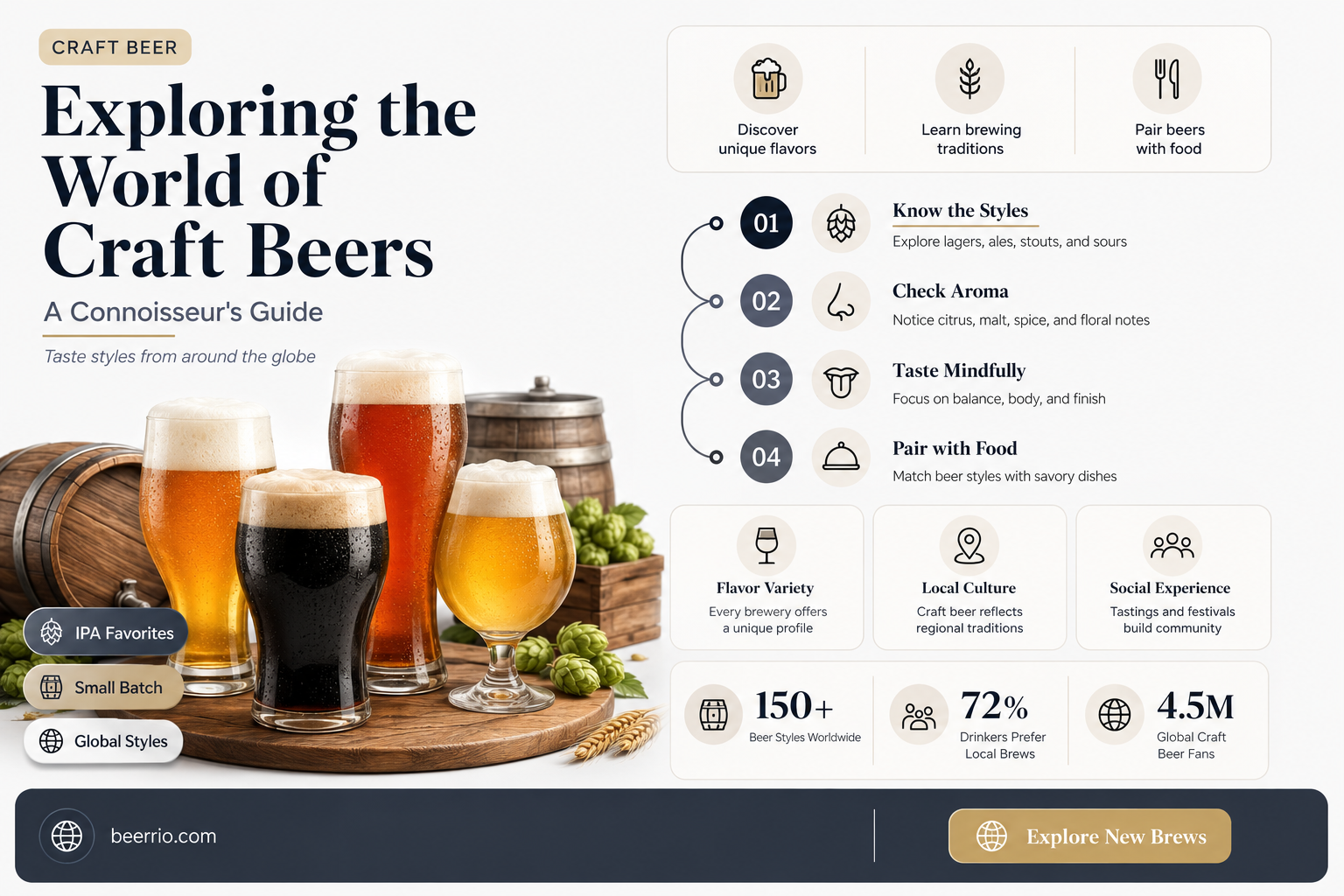
Exploring the world of beer can be an exciting journey, filled with a vast array of flavors, aromas, and styles. From crisp lagers to rich stouts, and from hoppy IPAs to fruity sours, there's a beer to suit every palate. A good beer often starts with quality ingredients and a well-crafted brewing process, but personal preference plays a significant role in determining which beers are considered the best. Factors such as the balance of flavors, the smoothness of the finish, and the overall drinkability contribute to a beer's appeal. Additionally, the context in which a beer is enjoyed—whether it's at a casual gathering, a formal tasting, or simply relaxing at home—can greatly influence one's perception of its quality. Ultimately, the quest for good beers is a subjective and enjoyable adventure, inviting enthusiasts to discover new favorites and appreciate the artistry behind each brew.
Explore related products


What You'll Learn
- Types of Beers: Explore various beer styles like IPAs, stouts, lagers, and ales
- Popular Brands: Discover well-known breweries and their flagship beers
- Tasting Notes: Learn about flavor profiles, aromas, and how to describe beer taste
- Food Pairings: Find out which beers complement different types of cuisine
- Brewing Process: Understand the steps involved in making beer, from ingredients to fermentation

Types of Beers: Explore various beer styles like IPAs, stouts, lagers, and ales
India Pale Ales (IPAs) are a popular choice among beer enthusiasts, known for their hoppy flavor and higher alcohol content. They originated in England in the 18th century and were designed to withstand long sea voyages to India. Today, IPAs come in various sub-styles, such as American IPA, Double IPA, and New England IPA, each with its unique characteristics. For instance, American IPAs tend to have a more pronounced bitterness, while New England IPAs are known for their juicy and hazy appearance.
Stouts, on the other hand, are dark beers that are rich and full-bodied. They are typically characterized by their roasted malt flavors, which can range from chocolatey and coffee-like to caramel and dark fruit notes. Stouts originated in England in the 17th century and were initially called "stout porters." Some popular sub-styles of stouts include Imperial Stout, which is stronger and more intense, and Oatmeal Stout, which is smoother and creamier due to the addition of oats during the brewing process.
Lagers are a type of beer that is fermented and conditioned at low temperatures, resulting in a clean and crisp taste. They are typically lighter in color and body than ales and stouts. Lagers originated in Central Europe in the 15th century and have since become one of the most popular types of beer worldwide. Some well-known lager styles include Pilsner, which is a pale lager with a balanced malt and hop flavor, and Bock, which is a strong lager with a rich malt character.
Ales are a broad category of beers that are fermented at warmer temperatures than lagers, resulting in a more complex and fruity flavor profile. They can range from light and refreshing to dark and robust. Ales have been brewed for thousands of years and are considered one of the oldest types of beer. Some popular ale styles include Pale Ale, which is a balanced beer with a moderate hop bitterness, and Belgian Ale, which is known for its spicy and fruity flavors due to the use of unique yeast strains.
When exploring different beer styles, it's essential to consider factors such as flavor profile, alcohol content, and food pairings. For example, IPAs pair well with spicy foods and strong cheeses, while stouts are a great match for desserts and rich meats. Lagers are versatile and can be paired with a wide range of dishes, from light salads to hearty stews. Ales, with their diverse flavor profiles, can be paired with everything from seafood to game meats.
In conclusion, the world of beer offers a vast array of styles and flavors to suit every palate. Whether you're a fan of hoppy IPAs, rich stouts, crisp lagers, or complex ales, there's always something new to discover. So, the next time you're at a bar or brewery, don't be afraid to try something different and expand your beer horizons.
Exploring the Taste and Quality of Busch Beer: A Comprehensive Review
You may want to see also
Explore related products



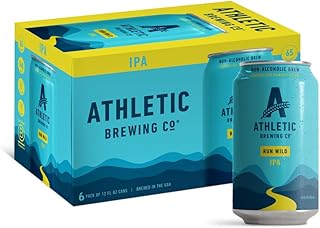
Popular Brands: Discover well-known breweries and their flagship beers
Craft beer enthusiasts often find themselves on a quest to discover the latest and greatest brews. While the variety of options can be overwhelming, there are several popular brands that have stood the test of time and continue to impress with their flagship beers. These breweries have not only established a strong reputation but have also become synonymous with quality and innovation in the world of beer.
One such brand is Sierra Nevada Brewing Co., known for its iconic Pale Ale. This beer is a prime example of the American Pale Ale style, characterized by its hoppy aroma and balanced maltiness. Sierra Nevada's commitment to using high-quality ingredients and traditional brewing methods has made its Pale Ale a staple in many beer enthusiasts' collections.
Another notable brand is Samuel Adams, which has become a household name with its Boston Lager. This beer is a classic example of an American Amber Lager, known for its rich, malty flavor and smooth finish. Samuel Adams' dedication to craftsmanship and attention to detail has made its Boston Lager a go-to choice for those seeking a reliable and flavorful beer.
For those who prefer a more robust option, Guinness is a brand that needs no introduction. Its famous Stout is a prime example of the Irish Dry Stout style, known for its dark color, creamy head, and complex flavor profile. Guinness' unique brewing process and use of nitrogen gas have made its Stout a beloved choice for beer drinkers around the world.
In the realm of Belgian beers, Chimay is a brand that stands out with its Chimay Blue. This beer is a prime example of a Belgian Trappist Ale, known for its deep, rich flavor and high alcohol content. Chimay's commitment to traditional brewing methods and use of local ingredients has made its Blue a sought-after choice for those who appreciate the complexity and depth of Belgian beers.
These popular brands and their flagship beers offer a glimpse into the diverse world of craft beer. Each brewery's unique approach to brewing and commitment to quality has resulted in beers that have become beloved by enthusiasts and casual drinkers alike. Whether you're a seasoned beer connoisseur or just starting to explore the world of craft beer, these popular brands are a great place to begin your journey.
Exploring the Rich Flavor Profile of Guinness Beer: A Connoisseur's Delight
You may want to see also
Explore related products




Tasting Notes: Learn about flavor profiles, aromas, and how to describe beer taste
To truly appreciate a good beer, one must understand the intricacies of its flavor profile. This involves recognizing the various notes that contribute to the overall taste experience. For instance, a well-crafted IPA might exhibit a harmonious blend of citrus, pine, and floral notes, while a robust stout could offer rich chocolate, coffee, and caramel undertones. By identifying these distinct flavors, beer enthusiasts can better articulate their preferences and seek out brews that align with their palate.
Aromas play a crucial role in the beer tasting experience, as they can significantly influence one's perception of flavor. When evaluating a beer's aroma, it's essential to consider the intensity, character, and balance of the scents. A beer with a strong, pungent aroma might indicate a high level of volatile compounds, such as esters or phenols, which can contribute to a more complex flavor profile. On the other hand, a beer with a subtle, delicate aroma might suggest a more restrained approach to brewing, resulting in a smoother, more nuanced taste.
Describing beer taste requires a nuanced understanding of the various components that contribute to the overall sensory experience. When crafting a tasting note, it's helpful to consider the beer's appearance, aroma, flavor, and mouthfeel. For example, a tasting note for a Belgian Tripel might read: "Golden amber hue with a frothy white head. Aromas of banana, clove, and candi sugar. Flavors of ripe fruit, honey, and subtle spice, with a dry, effervescent finish. Medium-bodied with a creamy, smooth mouthfeel." By providing such detailed descriptions, beer enthusiasts can share their experiences and help others discover new favorites.
In addition to understanding the technical aspects of beer tasting, it's also important to consider the context in which a beer is enjoyed. Factors such as temperature, glassware, and food pairings can all impact one's perception of a beer's taste. For instance, serving a hoppy IPA in a tulip glass at a slightly cooler temperature can help to accentuate its floral and citrus notes, while pairing a rich stout with a decadent chocolate dessert can enhance its chocolate and coffee flavors. By taking these factors into account, beer enthusiasts can optimize their tasting experience and gain a deeper appreciation for the complexities of their favorite brews.
Exploring the Merit of Steel Reserve: A Comprehensive Beer Review
You may want to see also
Explore related products




Food Pairings: Find out which beers complement different types of cuisine
Pairing beer with food is an art that enhances the dining experience, bringing out the best flavors in both the dish and the brew. For instance, a crisp, refreshing pilsner can cut through the richness of a creamy pasta dish, while a robust porter can complement the deep flavors of a hearty stew. When considering beer and food pairings, it's essential to balance the intensity of flavors, with lighter beers often pairing well with delicate dishes and stronger beers suiting more robust meals.
One classic pairing is a Belgian witbier with seafood. The beer's citrusy and spicy notes harmonize beautifully with the briny flavors of oysters or mussels. Another excellent combination is an India Pale Ale (IPA) with spicy cuisine, such as Thai or Indian dishes. The hoppy bitterness of the IPA can counterbalance the heat of the spices, creating a refreshing contrast.
For those who enjoy cheese, a strong ale like a cheddar or a blue cheese pairs wonderfully with a bold, malty beer such as a barleywine or an imperial stout. The rich, complex flavors of the beer can stand up to the pungency of the cheese, making for a satisfying pairing. When it comes to desserts, a lighter beer like a pale ale or a wheat beer can complement the sweetness without overpowering it.
Experimenting with beer and food pairings can lead to delightful discoveries. It's important to remember that personal taste plays a significant role, so don't be afraid to try out unconventional combinations to find what works best for you. Whether you're enjoying a casual meal at home or dining out at a fancy restaurant, the right beer pairing can elevate your culinary experience to new heights.
Exploring the Taste and Reputation of Miller High Life Beer
You may want to see also
Explore related products


$23.99


Brewing Process: Understand the steps involved in making beer, from ingredients to fermentation
The brewing process is a fascinating journey that transforms simple ingredients into a complex and flavorful beverage. At its core, beer making involves four primary steps: malting, mashing, boiling, and fermenting. Each stage plays a crucial role in developing the beer's character, from its color and aroma to its taste and mouthfeel.
Malting is the process of converting barley into malt, which is the foundation of most beers. Barley is soaked in water to initiate germination, then dried and roasted to varying degrees to create different malt types. These malts contribute to the beer's sweetness, body, and color. For example, darker malts like chocolate or coffee malt will impart a rich, roasted flavor and deep color, while lighter malts like pilsner or pale malt will result in a crisp, clean taste and lighter hue.
Mashing is the step where the malt is mixed with hot water to convert its starches into fermentable sugars. This process takes place in a mash tun, where the temperature and pH are carefully controlled to optimize the enzymatic reactions. The resulting liquid, called wort, is then separated from the spent grains and transferred to the kettle for boiling.
Boiling is a critical phase where the wort is heated to a high temperature, typically between 212°F and 220°F (100°C and 104°C). During this time, hops are added at various intervals to contribute bitterness, aroma, and flavor. Other ingredients, such as spices or adjuncts, may also be added to enhance the beer's complexity. The boiling process also helps to sterilize the wort and remove any unwanted compounds.
Finally, fermentation is the magical step where yeast transforms the sugars in the wort into alcohol and carbon dioxide. This process takes place in a fermenter, where the temperature and oxygen levels are carefully monitored to ensure a healthy yeast culture. The type of yeast used can significantly impact the beer's flavor profile, with different strains producing a range of fruity, spicy, or earthy notes. After fermentation is complete, the beer is conditioned, filtered, and packaged for distribution.
Understanding the brewing process can deepen your appreciation for the craft and complexity of beer making. It also allows you to make more informed choices when selecting beers, as you can better understand the ingredients and techniques that contribute to your favorite brews. Whether you're a homebrewer or a beer enthusiast, exploring the intricacies of the brewing process can be a rewarding and enlightening experience.
Exploring the Taste and Health Benefits of Michelob Ultra Beer
You may want to see also
Frequently asked questions
Some popular types of beer include lagers, ales, stouts, and IPAs (India Pale Ales). Each type has its own unique flavor profile and characteristics.
Choosing a good beer depends on your personal taste preferences. Consider factors like flavor, aroma, and mouthfeel. You might want to try different styles and brands to find what you like best.
Common beer ingredients include water, malted barley, hops, and yeast. These ingredients contribute to the beer's flavor, aroma, and alcohol content.
The main difference between a lager and an ale lies in the fermentation process. Lagers are fermented at lower temperatures and typically have a cleaner, crisper taste, while ales are fermented at higher temperatures and often have more complex flavors and aromas.