Beatrix Montes
Guinness beer, renowned for its distinctive dark color and creamy head, is a popular Irish stout that has been brewed since 1759. The beer's strength is a topic of interest among beer enthusiasts and casual drinkers alike. Guinness is typically 4.2% alcohol by volume (ABV), which is relatively moderate compared to other beers. However, its unique brewing process and ingredients, such as roasted barley, give it a rich, complex flavor profile that can make it seem more robust. The beer's iconic status and global popularity have led to various myths and misconceptions about its strength and ingredients, which this article aims to address.
Explore related products


What You'll Learn
- Alcohol by Volume (ABV): Guinness beer typically has an ABV of around 4.2%
- Calories and Nutritional Content: A 12-ounce serving of Guinness contains approximately 125 calories
- Bitterness Level: Guinness is known for its moderate bitterness, often rated around 40-50 IBU
- Brewing Process: Guinness uses a unique brewing process involving nitrogen infusion, which contributes to its creamy texture
- Comparison to Other Beers: Guinness is generally considered a stout beer, which is a darker and often stronger style compared to lagers or pilsners

Alcohol by Volume (ABV): Guinness beer typically has an ABV of around 4.2%
Guinness beer, renowned for its rich, creamy texture and distinctive roasted flavor, typically contains an alcohol by volume (ABV) of around 4.2%. This ABV places it in the moderate range compared to other beers, making it a popular choice for those seeking a flavorful yet not overly strong brew.
The 4.2% ABV of Guinness means that approximately 4.2% of the liquid in the beer is pure alcohol. This is a standard measure used globally to indicate the strength of alcoholic beverages. For a typical 12-ounce (355 ml) serving of Guinness, this translates to about 0.5 ounces (14.8 ml) of alcohol.
In comparison to other types of beers, Guinness falls into the category of session beers, which are generally lower in alcohol content and designed for longer drinking sessions. This makes Guinness a suitable option for social gatherings or extended periods of enjoyment without the higher alcohol impact found in stronger beers.
It's important to note that while the ABV provides a measure of the beer's alcohol content, the actual effects of alcohol can vary based on individual factors such as body weight, metabolism, and tolerance. Responsible drinking practices should always be observed, regardless of the beer's ABV.
In summary, Guinness beer's ABV of around 4.2% positions it as a moderately strong, sessionable beer that balances rich flavor with a lower alcohol content, making it a versatile choice for various drinking occasions.
Exploring the Caffeine Content in Guinness Beer: Facts and Myths
You may want to see also
Explore related products


![[Pack of 4] Guinness Irish Dry Stout Draught Non-Alcoholic NA Beer, Malt Beverage w/Natural Flavors- 14.9 Fl Oz](https://m.media-amazon.com/images/I/818LA3ndD8L._AC_UL320_.jpg)

Calories and Nutritional Content: A 12-ounce serving of Guinness contains approximately 125 calories
A 12-ounce serving of Guinness contains approximately 125 calories, which is relatively low compared to many other beers. This calorie count is due in part to the beer's lower alcohol content, as alcohol is a significant source of calories in beer. Guinness is known for its rich, creamy texture and distinctive flavor, which might lead some to assume it is a heavier beer, but in reality, it is quite moderate in terms of caloric intake.
In terms of nutritional content, Guinness does contain some essential nutrients. For instance, it has a small amount of protein, fiber, and various B vitamins. However, it's important to note that while these nutrients are present, they are not in significant quantities that would make Guinness a notable source of nutrition. The beer also contains trace amounts of minerals like potassium and magnesium.
One of the unique aspects of Guinness is its low glycemic index (GI), which means it doesn't cause a rapid spike in blood sugar levels. This can be beneficial for individuals who are monitoring their blood sugar, such as those with diabetes. However, it's still important for these individuals to consume alcohol in moderation and consult with their healthcare provider.
When considering the strength of Guinness beer, it's essential to look beyond just the calorie count. The beer has an alcohol by volume (ABV) of around 4.2%, which is lower than many other beers. This lower ABV contributes to its moderate calorie content and makes it a popular choice for those who prefer a milder beer. However, it's still important to drink responsibly and be aware of how alcohol consumption can impact one's health and well-being.
In summary, while Guinness beer is not a significant source of calories or essential nutrients, it does have some unique characteristics that set it apart from other beers. Its low calorie count, moderate alcohol content, and low glycemic index make it a popular choice for many beer enthusiasts. However, as with any alcoholic beverage, it's crucial to consume it in moderation and be mindful of its potential effects on health.
Exploring the Iron Content in Guinness Beer: A Health Perspective
You may want to see also
Explore related products




Bitterness Level: Guinness is known for its moderate bitterness, often rated around 40-50 IBU
Guinness beer is renowned for its distinctive taste, which is characterized by a moderate level of bitterness. This bitterness is measured on the International Bitterness Units (IBU) scale, where Guinness typically scores between 40 and 50. To put this in perspective, the bitterness of beer can range from very low (around 5 IBU for some lagers) to extremely high (over 100 IBU for certain craft beers). Therefore, Guinness falls squarely in the middle of the bitterness spectrum, offering a balanced flavor profile that appeals to a wide range of palates.
The moderate bitterness of Guinness is achieved through the careful selection and roasting of its ingredients, particularly the barley. The roasting process not only imparts the beer's signature dark color but also contributes to its complex flavor, including notes of coffee, chocolate, and caramel. These flavors are complemented by the bitterness derived from the hops used during brewing, which helps to balance the sweetness of the malt and adds a refreshing quality to the beer.
For those who are new to Guinness or unfamiliar with the concept of bitterness in beer, it's helpful to understand how this measurement can influence the drinking experience. A beer with a higher IBU will generally taste more bitter, which can be off-putting to some drinkers. Conversely, a beer with a lower IBU will taste sweeter and more malty. Guinness, with its moderate IBU, strikes a balance that is neither too bitter nor too sweet, making it a versatile choice for various occasions and pairings.
In terms of food pairings, the moderate bitterness of Guinness makes it an excellent companion to a variety of dishes. It pairs well with hearty meats like beef and lamb, as well as with rich, creamy dishes such as stews and casseroles. The bitterness helps to cut through the richness of these foods, providing a refreshing contrast that enhances the overall dining experience. Additionally, Guinness can be used as an ingredient in cooking, where its bitterness and complex flavors can add depth and character to recipes.
Overall, the moderate bitterness level of Guinness is a key aspect of its appeal. It contributes to the beer's unique flavor profile, makes it a versatile choice for drinking and pairing, and sets it apart from both very bitter and very sweet beers. Whether you're a seasoned beer enthusiast or a casual drinker, understanding the bitterness level of Guinness can help you appreciate its distinctive taste and make informed choices about when and how to enjoy it.
The Surprising Science Behind Guinness Beer's Iconic Ball
You may want to see also
Explore related products


Brewing Process: Guinness uses a unique brewing process involving nitrogen infusion, which contributes to its creamy texture
Guinness beer is renowned for its distinctive creamy texture, which is achieved through a unique brewing process involving nitrogen infusion. Unlike other beers that primarily use carbon dioxide for fermentation and carbonation, Guinness incorporates nitrogen gas during the pouring process. This nitrogen infusion creates the beer's signature smooth and velvety mouthfeel, setting it apart from other stouts and ales.
The brewing process begins with the selection of high-quality ingredients, including roasted barley, hops, yeast, and water. The roasted barley gives Guinness its characteristic dark color and rich flavor profile. The hops provide bitterness and aroma, while the yeast is responsible for fermentation. The water used in the brewing process is sourced from the Wicklow Mountains in Ireland, known for its purity and mineral content.
During fermentation, Guinness uses a combination of carbon dioxide and nitrogen gas. The carbon dioxide is produced naturally by the yeast as it converts sugars into alcohol. The nitrogen gas is added during the conditioning process, where it is infused into the beer under pressure. This nitrogen infusion is what gives Guinness its creamy texture and helps to balance the bitterness of the hops.
The pouring process is also crucial in achieving the perfect Guinness experience. The beer is typically poured into a specially designed Guinness glass, which has a narrower top to help retain the head. The beer is poured at a 45-degree angle, allowing the nitrogen bubbles to rise to the surface and form a thick, creamy head. This head not only adds to the visual appeal of the beer but also enhances the drinking experience by providing a smooth and velvety texture.
In conclusion, the unique brewing process involving nitrogen infusion is what sets Guinness apart from other beers and contributes to its creamy texture. The careful selection of ingredients, the combination of carbon dioxide and nitrogen gas during fermentation, and the precise pouring technique all work together to create the distinctive taste and mouthfeel that Guinness is known for.
The Shelf Life of Guinness: Does This Iconic Beer Expire?
You may want to see also
Explore related products


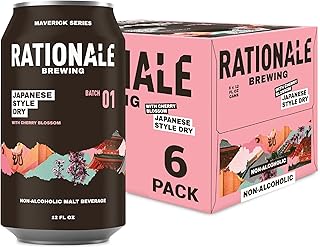
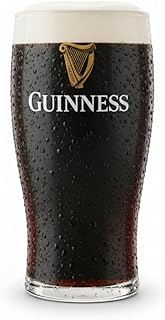
Comparison to Other Beers: Guinness is generally considered a stout beer, which is a darker and often stronger style compared to lagers or pilsners
Guinness, a renowned stout beer, stands out in the brewing world for its distinctive dark color and rich flavor profile. Compared to lighter beer styles such as lagers or pilsners, Guinness is often perceived as a stronger brew. This perception is rooted in the beer's higher alcohol by volume (ABV) content, which typically ranges from 4.1% to 4.3%, depending on the specific Guinness variant. In contrast, many lagers and pilsners have an ABV that hovers around 4% to 5%, with some lighter options dipping below 4%.
The strength of Guinness is not solely measured by its ABV but also by its robust and complex flavor. The brewing process involves the use of roasted barley, which imparts a deep, coffee-like flavor and contributes to the beer's dark appearance. This roasted character is a hallmark of stout beers and sets Guinness apart from the crisp, clean taste of lagers and the hoppy, sometimes fruity notes of pilsners.
Moreover, Guinness is known for its creamy, velvety texture, which is achieved through the use of nitrogen gas during the pouring process. This unique characteristic enhances the beer's mouthfeel and adds to its overall richness. Lagers and pilsners, on the other hand, tend to have a lighter, more effervescent body due to their carbonation with carbon dioxide.
In terms of serving size, a standard pint of Guinness (568 ml) contains approximately 2.8 units of alcohol, which is slightly higher than the 2.5 units found in a similar serving of many lagers or pilsners. However, it's essential to note that the actual alcohol content can vary based on the specific beer and brewing method.
When considering the strength of Guinness in comparison to other beers, it's clear that this stout beer offers a unique combination of flavor, texture, and alcohol content that distinguishes it from lighter beer styles. While it may not be the strongest beer available, Guinness is undoubtedly a robust and satisfying choice for those who appreciate the complexities of a well-crafted stout.
Exploring the Rich Flavors: Coffee Notes in Guinness Beer
You may want to see also
Frequently asked questions
The alcohol by volume (ABV) of Guinness beer is typically around 4.2%.
Guinness beer is considered to be on the lower end of the alcohol spectrum compared to other beers. Many lagers and ales have an ABV ranging from 4% to 6%, while some stronger beers like IPAs and stouts can have an ABV of 7% or higher.
The perceived strength of Guinness beer can be influenced by several factors, including its rich, dark color, which may give the impression of a stronger beer. Additionally, the creamy head and smooth texture can contribute to a feeling of substance and strength.
Yes, there can be some variation in the strength of different types of Guinness beer. For example, Guinness Extra Stout typically has a higher ABV than the standard Guinness Draught. Additionally, limited edition or seasonal releases may have different alcohol content.