Harmony Chandler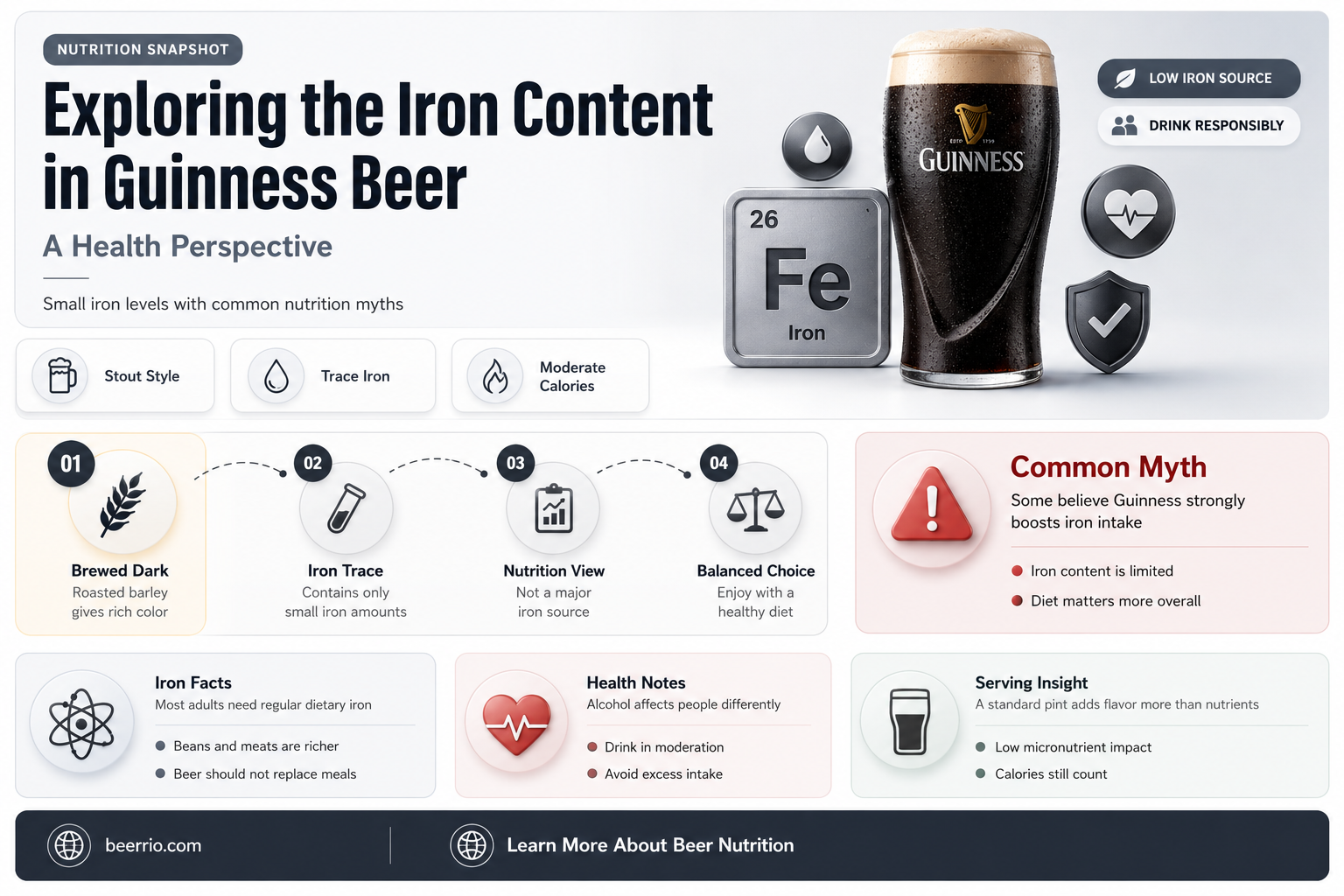
Guinness beer is renowned for its rich, dark color and creamy head, but there's a common belief that it's also high in iron. This notion has been circulating for years, with some people even claiming that drinking Guinness can help combat iron deficiency. But is there any truth to this? In this article, we'll delve into the nutritional content of Guinness beer, exploring its iron content and how it compares to other foods and beverages. We'll also examine the potential health benefits and drawbacks of consuming Guinness, separating fact from fiction once and for all.
Explore related products



What You'll Learn

Iron Content in Guinness
Guinness beer is renowned for its rich, dark color and creamy head, but it's also often touted for its supposed health benefits, particularly its iron content. The idea that Guinness is high in iron is a common misconception that has been circulating for years. However, the truth is more nuanced than one might expect.
The brewing process of Guinness does involve the use of roasted barley, which is a source of iron. Additionally, the beer is brewed with water that has a high mineral content, which can also contribute to its iron levels. However, the actual amount of iron in a pint of Guinness is relatively small, typically around 0.3 milligrams. To put this in perspective, the recommended daily intake of iron for an adult male is 8 milligrams, and for an adult female, it's 18 milligrams.
Despite the relatively low iron content, some studies have suggested that moderate consumption of Guinness may have a positive effect on iron levels in the body. This is thought to be due to the presence of antioxidants in the beer, which can help to increase the absorption of iron from other sources. However, it's important to note that these studies have been limited, and more research is needed to fully understand the relationship between Guinness consumption and iron levels.
It's also worth noting that while Guinness may have some health benefits, it's still an alcoholic beverage and should be consumed in moderation. Excessive alcohol consumption can have a negative impact on overall health, including iron levels. Therefore, while a pint of Guinness may not be a significant source of iron, it can still be enjoyed as part of a balanced diet and lifestyle.
In conclusion, while Guinness beer does contain some iron, the amount is relatively small and should not be relied upon as a significant source of this important mineral. However, moderate consumption of Guinness may have other health benefits, and it can be enjoyed as part of a balanced diet and lifestyle.
Exploring the Origins: Is Guinness Truly a German Beer?
You may want to see also
Explore related products




Health Benefits of Iron
Iron is an essential mineral that plays a critical role in maintaining good health. It is a key component of hemoglobin, the protein in red blood cells that carries oxygen from the lungs to the rest of the body. Iron also supports the immune system, helps in the production of collagen, and is involved in various metabolic processes. A deficiency in iron can lead to anemia, which is characterized by fatigue, weakness, and a pale complexion.
One of the most well-known sources of dietary iron is red meat, but there are also plant-based options such as beans, lentils, tofu, and spinach. Iron can also be found in fortified foods like breakfast cereals and bread. However, the body absorbs iron from animal sources more efficiently than from plant sources. To enhance iron absorption from plant-based foods, it is recommended to consume them with vitamin C-rich foods like citrus fruits or bell peppers.
Iron supplements are often used to treat or prevent iron deficiency anemia. They come in various forms, including ferrous sulfate, ferrous gluconate, and ferrous fumarate. The recommended dosage of iron supplements varies depending on the individual's age, sex, and health status. It is important to consult with a healthcare provider before starting iron supplementation, as excessive iron intake can lead to side effects such as nausea, vomiting, and constipation.
In the context of Guinness beer, it is often claimed that the dark stout is high in iron due to the roasted barley used in its brewing process. While it is true that roasted barley contains some iron, the amount of iron in a typical serving of Guinness beer is relatively small and may not provide significant health benefits. Additionally, the alcohol content in beer can interfere with iron absorption and may contribute to iron deficiency if consumed in excess.
In conclusion, while iron is an essential mineral with numerous health benefits, it is important to obtain it from a balanced diet and, if necessary, through supplementation under the guidance of a healthcare provider. Relying on Guinness beer or other alcoholic beverages as a source of iron is not recommended due to their limited iron content and potential negative effects on iron absorption.
Exploring the Roots: Is Guinness Truly an Irish Beer?
You may want to see also
Explore related products


Comparison to Other Beers
Guinness beer is often compared to other beers in terms of its iron content. While it is true that Guinness contains a significant amount of iron, it is not the only beer with this characteristic. In fact, many dark beers, such as stouts and porters, have higher iron content than lighter beers like lagers and pilsners. This is because the brewing process for dark beers involves the use of roasted malts, which are rich in iron.
One study compared the iron content of various beers and found that Guinness had an average of 0.3 milligrams of iron per 100 milliliters, while other dark beers like Murphy's and Beamish had even higher levels, with 0.4 and 0.5 milligrams per 100 milliliters, respectively. In contrast, lighter beers like Budweiser and Heineken had significantly lower iron content, with only 0.1 milligrams per 100 milliliters.
It is important to note that the iron content of beer can vary depending on the specific brewing process and ingredients used. For example, some breweries may use iron-rich water or add iron supplements during the brewing process, which can increase the final iron content of the beer. Additionally, the iron content of beer can be affected by factors such as the age of the beer and the type of container it is stored in.
While Guinness may not have the highest iron content of all beers, it is still a significant source of iron for those who consume it regularly. However, it is important to remember that excessive alcohol consumption can have negative effects on health, including reducing the body's ability to absorb iron. Therefore, it is recommended to consume alcohol in moderation and to consult with a healthcare professional if you have concerns about your iron intake.
Exploring the Rich Flavors: Coffee Notes in Guinness Beer
You may want to see also
Explore related products



Iron Absorption
One key factor affecting iron absorption is the form of iron present in the food or drink. Guinness contains ferrous sulfate, a form of iron that is more easily absorbed by the body compared to ferric oxide, which is found in many plant-based sources. This makes the iron in Guinness more bioavailable, meaning that a higher percentage of the iron consumed is actually absorbed and utilized by the body.
Another important consideration is the presence of inhibitors and enhancers of iron absorption in the diet. Certain compounds, such as tannins and oxalates, can inhibit iron absorption, while others, like vitamin C and citric acid, can enhance it. Guinness contains some tannins, which may slightly reduce iron absorption, but it also contains citric acid, which can help to counteract this effect and improve absorption.
The body's iron absorption efficiency is also influenced by its iron status. Individuals with low iron stores tend to absorb iron more efficiently than those with adequate or high iron levels. This means that if someone is iron deficient, they may absorb a higher percentage of the iron present in Guinness compared to someone with normal iron levels.
In conclusion, while Guinness beer may not be a significant source of iron in the diet, the iron it does contain is in a form that is relatively easily absorbed by the body. The presence of both inhibitors and enhancers of iron absorption in Guinness means that the overall effect on iron absorption is likely to be neutral or slightly positive. However, it is important to note that relying on Guinness as a primary source of iron is not advisable, and individuals concerned about their iron intake should consult with a healthcare professional for personalized advice.
The Shelf Life of Guinness: Does This Iconic Beer Expire?
You may want to see also
Explore related products




Nutritional Considerations
Guinness beer, renowned for its rich, dark color and creamy head, is often associated with various health claims, including being high in iron. However, it's essential to delve into the nutritional considerations to separate fact from fiction.
Firstly, it's important to note that Guinness does contain some iron, but the amount is relatively small compared to other sources. A 12-ounce serving of Guinness provides approximately 0.3 milligrams of iron, which is only about 2% of the daily value for adults. In contrast, foods like red meat, beans, and fortified cereals offer significantly higher amounts of iron.
Moreover, the bioavailability of iron in Guinness is relatively low due to the presence of other compounds in the beer, such as tannins and phytates, which can inhibit iron absorption. This means that even though there is some iron present, your body may not be able to utilize it as effectively as iron from other sources.
Another consideration is the overall nutritional profile of Guinness. While it does contain some beneficial nutrients like antioxidants and B vitamins, it is also high in calories and carbohydrates. Therefore, consuming Guinness in moderation is key, especially for those watching their calorie intake or managing conditions like diabetes.
In conclusion, while Guinness beer does contain some iron, it should not be relied upon as a significant source of this nutrient. Instead, it's better to incorporate a variety of iron-rich foods into your diet to ensure adequate intake. Additionally, enjoying Guinness in moderation as part of a balanced diet can be a reasonable choice for most individuals.
Exploring the Caffeine Content in Guinness Beer: Facts and Myths
You may want to see also
Frequently asked questions
Yes, Guinness beer is known to have a higher iron content compared to other beers. This is due to the use of roasted barley in its brewing process, which contributes to the beer's distinctive dark color and rich flavor.
A pint of Guinness typically contains about 0.3 milligrams of iron. While this amount is relatively small compared to the recommended daily intake, it is still a notable contribution from a single serving of beer.
The iron in Guinness beer can contribute to the production of hemoglobin in the blood, which is essential for transporting oxygen throughout the body. However, it's important to note that moderate consumption is key, as excessive alcohol intake can have negative effects on overall health.