Arabella Franco
The shelf life of bottled beer in the fridge is a common concern for beer enthusiasts and casual drinkers alike. While beer doesn't typically spoil in the same way as perishable foods, its quality can degrade over time, affecting taste, aroma, and overall enjoyment. Factors such as the type of beer, storage conditions, and whether the bottle has been opened or remains sealed play crucial roles in determining how long beer can be stored in the refrigerator. Understanding these factors can help ensure that your beer remains fresh and enjoyable for as long as possible.
Explore related products


What You'll Learn
- Factors Affecting Beer Shelf Life: Temperature, light exposure, and storage conditions impact how long beer lasts
- Typical Shelf Life: Most beers last 3-6 months when stored properly in the fridge
- Signs of Spoilage: Look for off smells, cloudy appearance, or unusual tastes indicating beer has gone bad
- Storage Tips: Keep beer in a cool, dark place, and avoid frequent temperature changes to extend its life
- Type-Specific Guidelines: Different beer types (e.g., IPAs, stouts) may have varying shelf lives and storage requirements

Factors Affecting Beer Shelf Life: Temperature, light exposure, and storage conditions impact how long beer lasts
The shelf life of beer is significantly influenced by several environmental factors, with temperature being one of the most critical. Beer should ideally be stored at a consistent temperature between 45°F and 55°F (7°C and 13°C). Fluctuations in temperature can cause the beer to age prematurely, leading to off-flavors and a decrease in quality. For instance, if beer is stored in a refrigerator that is too cold, the yeast may become dormant, affecting the fermentation process and the overall taste of the beer. Conversely, if the beer is exposed to high temperatures, it can lead to the breakdown of the beer's proteins and the oxidation of its flavors, resulting in a skunky or cardboard-like taste.
Light exposure is another factor that can impact the shelf life of beer. Ultraviolet (UV) light, in particular, can cause a chemical reaction in the beer that leads to the formation of 3-methyl-2-butene-1-thiol, a compound that gives beer a distinctive "skunky" aroma. This is why many breweries use brown or amber-colored bottles, which help to filter out UV light and protect the beer from spoilage. If beer is stored in clear bottles or in areas with high light exposure, it is more likely to develop off-flavors and lose its quality over time.
Storage conditions also play a crucial role in determining the shelf life of beer. Beer should be stored in a dark, cool place away from direct sunlight and sources of heat. It is also important to store beer bottles horizontally, as this helps to keep the beer in contact with the cork, preventing it from drying out and allowing air to enter the bottle. If beer is stored upright for extended periods, the cork may dry out, leading to oxidation and spoilage. Additionally, beer should be stored away from strong-smelling foods and chemicals, as these can impart unwanted flavors to the beer.
In summary, the shelf life of beer is affected by temperature, light exposure, and storage conditions. To ensure that beer lasts as long as possible, it should be stored at a consistent temperature between 45°F and 55°F, protected from light exposure, and kept in a dark, cool place away from sources of heat and strong-smelling substances. By following these guidelines, beer enthusiasts can help to preserve the quality and flavor of their favorite brews.
Comparing Brews and Vines: Beer vs. Wine Equivalence Explored
You may want to see also
Explore related products



Typical Shelf Life: Most beers last 3-6 months when stored properly in the fridge
The typical shelf life of beer is a crucial consideration for both casual drinkers and connoisseurs. When stored properly in the fridge, most beers will maintain their quality for 3-6 months. This timeframe can vary depending on the type of beer, with some styles being more resilient than others. For instance, stouts and porters tend to have a longer shelf life due to their higher alcohol content and robust flavors, which can mask the effects of aging. On the other hand, lighter beers like lagers and pilsners are more susceptible to spoilage and should be consumed within a shorter period.
Proper storage is key to preserving the taste and quality of beer. The ideal temperature for storing beer in the fridge is between 35°F and 40°F (1.6°C and 4.4°C). Storing beer at too low a temperature can cause the yeast to become dormant, leading to a loss of flavor and carbonation. Conversely, storing beer at too high a temperature can accelerate the aging process and result in off-flavors. It's also important to store beer away from light, as exposure to UV rays can cause a chemical reaction that leads to a skunky taste.
In addition to temperature and light, the storage container can also impact the shelf life of beer. Bottles with darker glass or cans are more effective at blocking out light, which can help to preserve the beer's flavor. It's also important to ensure that the storage area is clean and free from contaminants, as bacteria and other microorganisms can cause spoilage.
While the 3-6 month timeframe is a general guideline, there are some beers that can last longer when stored properly. For example, some high-alcohol beers like barleywines and imperial stouts can age for several years, developing complex flavors and aromas over time. However, it's important to note that not all beers benefit from aging, and it's always best to check the specific recommendations for the type of beer you're storing.
In conclusion, the typical shelf life of beer when stored properly in the fridge is 3-6 months, but this can vary depending on the type of beer and storage conditions. By following proper storage guidelines, you can help to ensure that your beer stays fresh and flavorful for as long as possible.
Exploring Brews: The Mystery of the Green Bottle Beer
You may want to see also
Explore related products
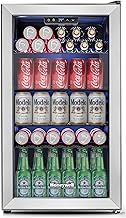


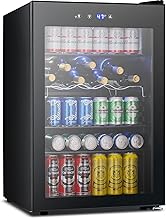
Signs of Spoilage: Look for off smells, cloudy appearance, or unusual tastes indicating beer has gone bad
Spoilage in beer can manifest in several ways, each of which is a clear indicator that the beverage has passed its prime. One of the most immediate signs is an off smell. Fresh beer typically has a clean, crisp aroma, but spoiled beer may emit a sour, unpleasant odor. This change in scent is often due to the growth of bacteria or wild yeast, which can produce volatile compounds that are detectable by the nose.
Another sign of spoilage is a cloudy appearance. While some beers are naturally hazy, a sudden increase in cloudiness can indicate that the beer has gone bad. This cloudiness can be caused by the same bacterial or yeast growth that produces off odors, as these microorganisms can create sediment and other particulates that remain suspended in the liquid.
Unusual tastes are also a common indicator of spoiled beer. A beer that has gone bad may taste sour, bitter, or metallic, and these flavors can be quite pronounced. The sourness is often due to the production of lactic acid by bacteria, while the bitterness can be a result of oxidation or the breakdown of the beer's hop compounds. Metallic flavors, on the other hand, can be caused by the leaching of minerals from the bottle or can, which can occur when the protective coating is compromised.
To avoid consuming spoiled beer, it's important to pay attention to these signs and to store beer properly. Beer should be kept in a cool, dark place, and it should be consumed within a reasonable timeframe. While different types of beer have varying shelf lives, most bottled beers will last for several months when stored in the fridge. However, it's always best to err on the side of caution and to discard any beer that shows signs of spoilage, even if it hasn't reached its expiration date.
Exploring the Height of a Corona Beer Bottle: A Quick Guide
You may want to see also
Explore related products


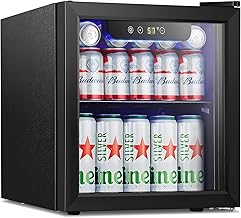


Storage Tips: Keep beer in a cool, dark place, and avoid frequent temperature changes to extend its life
To maximize the shelf life of bottled beer, it's crucial to store it properly. A cool, dark place is ideal, as exposure to light and heat can degrade the beer's quality over time. The optimal storage temperature for most beers is between 45°F and 55°F (7°C and 13°C). Storing beer in a refrigerator can help maintain this temperature range, but it's important to avoid frequent temperature fluctuations, as these can also impact the beer's taste and longevity.
When storing beer in a refrigerator, it's best to keep it in the main compartment rather than the door shelves, as the temperature is more consistent in the center. Additionally, try to store the beer bottles horizontally to keep the liquid in contact with the cork, preventing it from drying out. If you're storing beer for an extended period, consider using a beer storage kit or a mini-fridge dedicated to beer storage.
It's also important to avoid exposing beer to strong odors, as these can seep into the bottles and affect the taste. Keep beer away from foods with strong smells, such as onions, garlic, or fish. Furthermore, try to minimize the amount of time the beer bottles are open, as oxygen can also degrade the beer's quality. If you need to store an open bottle of beer, use a bottle cap or a beer saver to reseal it and keep it in the refrigerator.
By following these storage tips, you can help extend the life of your bottled beer and ensure it tastes its best for as long as possible. Remember, proper storage is key to preserving the quality and flavor of your favorite brews.
Sustainable Sips: The Truth About Recycling Glass Beer Bottles
You may want to see also
Explore related products
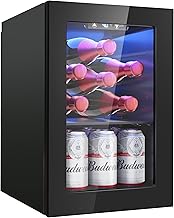



Type-Specific Guidelines: Different beer types (e.g., IPAs, stouts) may have varying shelf lives and storage requirements
India Pale Ales (IPAs), known for their hoppy flavor and higher alcohol content, typically have a shorter shelf life compared to other beer types. This is due to the volatile nature of the hop oils, which can degrade over time, leading to a loss of the beer's characteristic aroma and taste. To preserve the quality of IPAs, it is recommended to consume them within 3-6 months of bottling and to store them in a cool, dark place, ideally at temperatures between 45-55°F (7-13°C).
Stouts, on the other hand, are darker beers with rich, roasted flavors that often improve with age. Unlike IPAs, stouts can benefit from longer storage periods, which allow the complex flavors to develop and meld together. However, this does not mean that stouts are immune to spoilage. It is still important to store them properly, away from light and at a consistent temperature. For optimal enjoyment, stouts can be consumed within 6-12 months of bottling, but some varieties, like imperial stouts, can be aged for several years.
Lagers, which are lighter and crisper beers, generally have a longer shelf life than IPAs but shorter than stouts. They are best enjoyed within 6-9 months of bottling and should be stored at cold temperatures, around 35-45°F (2-7°C), to maintain their refreshing qualities. It is crucial to keep lagers away from light and heat, as these factors can cause the beer to become skunky or develop off-flavors.
When storing any type of beer, it is important to keep the bottles or cans in a stable position to prevent the yeast from settling and potentially causing the beer to become cloudy or develop unwanted flavors. Additionally, it is advisable to store beer away from strong-smelling foods, as beer can absorb odors from its surroundings.
In summary, while the general guideline for storing bottled beer in the fridge is to consume it within 3-6 months, different beer types have unique storage requirements and shelf lives. By understanding these type-specific guidelines, beer enthusiasts can ensure that they enjoy their favorite brews at their peak quality and flavor.
Uncapping the Mystery: What Materials Make Up Beer Bottle Caps?
You may want to see also
Frequently asked questions
Bottled beer typically lasts for 3 to 6 months in the fridge when stored properly.
Factors such as the type of beer, storage temperature, light exposure, and the condition of the fridge can affect the shelf life of bottled beer.
Bottled beer should be stored in the main compartment of the fridge, as the temperature is more consistent and cooler than the door shelves.
While bottled beer may not be at its peak quality after the expiration date, it is generally safe to consume if stored properly. However, it's best to check for any off odors or flavors before drinking.
Signs that bottled beer has gone bad include an off or sour smell, a cloudy appearance, or an unpleasant taste. If you notice any of these signs, it's best to discard the beer.