 Arabella Franco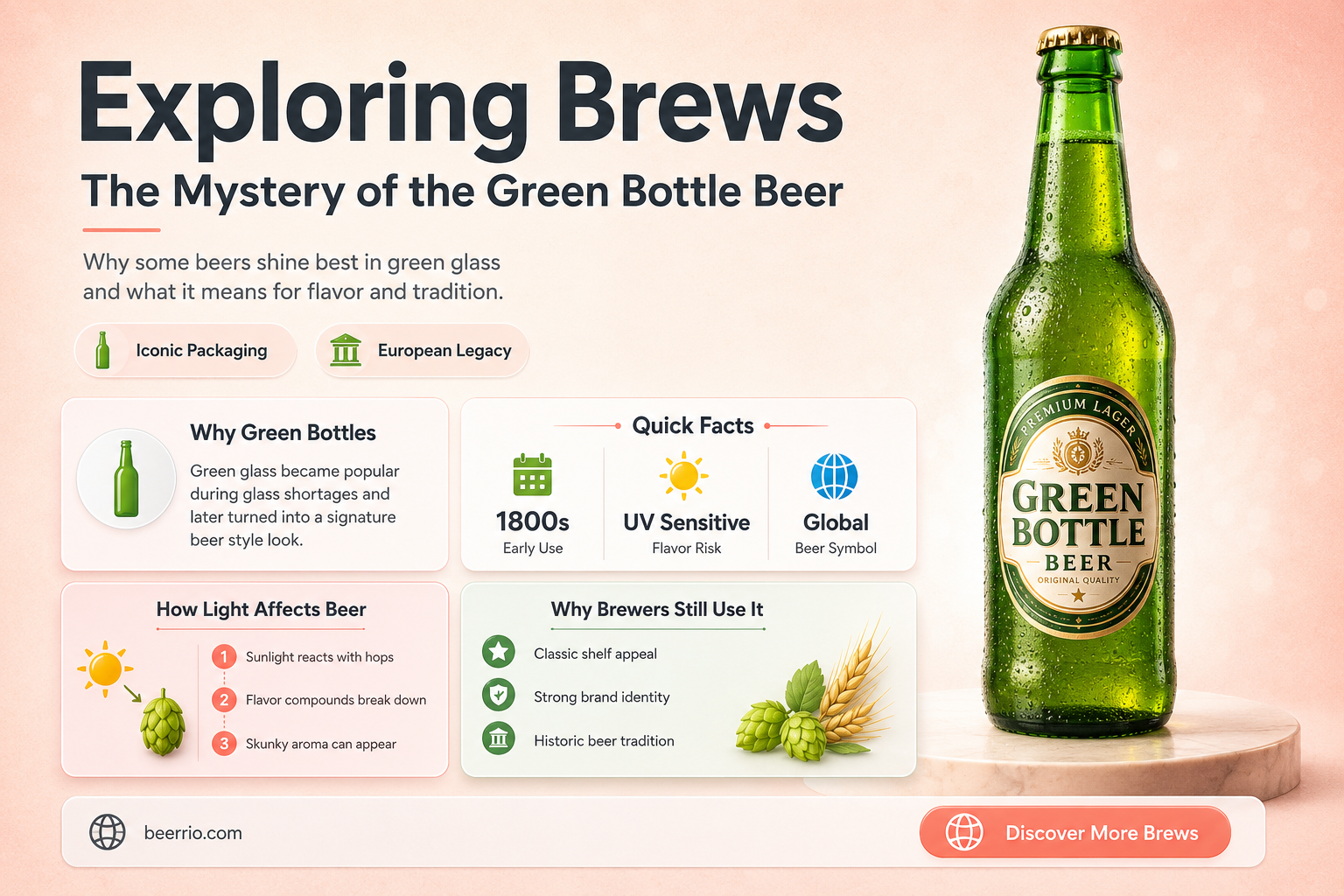
When it comes to beers packaged in green bottles, one of the most iconic brands that comes to mind is Heineken. The Dutch brewing company has made its green bottle a signature part of its brand identity, instantly recognizable in bars and stores around the world. But Heineken isn't the only beer that comes in a green bottle. Other notable examples include Beck's from Germany and Carlsberg from Denmark. Green bottles are often used to protect the beer from light, which can affect its taste and quality. The use of green glass dates back centuries and has become a tradition in the brewing industry, particularly for certain styles of beer that are sensitive to light exposure.
Explore related products


What You'll Learn
- Popular Green-Bottled Beers: Heineken, Beck's, and Stella Artois are well-known beers packaged in green bottles
- Why Green Bottles: Green glass protects beer from UV light, which can cause skunky flavors and spoilage?
- Environmental Impact: Green bottles are often recycled, but their production requires more energy than clear or brown bottles
- Marketing and Branding: Green bottles can be a distinctive part of a beer brand's identity, making it easily recognizable
- Consumer Preferences: Some consumers prefer green bottles for their aesthetic appeal and perceived freshness of the beer inside

Popular Green-Bottled Beers: Heineken, Beck's, and Stella Artois are well-known beers packaged in green bottles
Heineken, Beck's, and Stella Artois are iconic brands that have become synonymous with green-bottled beer. These beers are not only popular for their distinctive packaging but also for their unique flavors and brewing traditions. Heineken, a Dutch beer, is known for its crisp, refreshing taste and is one of the most widely recognized beer brands globally. Beck's, a German beer, offers a slightly more bitter flavor profile and is often associated with a more traditional European beer experience. Stella Artois, a Belgian beer, is famous for its rich, full-bodied taste and is often served in a distinctive chalice glass.
The green bottle has become an integral part of these brands' identities, serving both practical and aesthetic purposes. The dark glass helps to protect the beer from light, which can degrade its flavor, while also providing a visually appealing and easily recognizable package. The use of green bottles has also led to some interesting marketing strategies, with brands leveraging the color green to create a sense of freshness and natural quality.
In addition to their green bottles, these beers are also known for their extensive marketing campaigns and sponsorships. Heineken, for example, has been a major sponsor of various sports events, including the UEFA Champions League, while Beck's has been associated with art and music events. Stella Artois has also been involved in various cultural initiatives, including the Stella Artois World Draught Masters competition.
Despite their differences in flavor and origin, Heineken, Beck's, and Stella Artois share a common thread in their use of green bottles. This packaging choice has not only helped to establish their brand identities but has also contributed to their global popularity. As consumers continue to seek out new and interesting beer options, these green-bottled beers remain a staple in many bars and households around the world.
Exploring the Caloric Content of Coors Lite Beer
You may want to see also
Explore related products


Why Green Bottles: Green glass protects beer from UV light, which can cause skunky flavors and spoilage
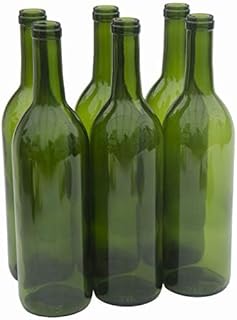
Green glass bottles have been a staple in the beer industry for centuries, and their use is deeply rooted in the science of beer preservation. The primary reason for using green glass is to protect the beer from ultraviolet (UV) light, which can have detrimental effects on the flavor and quality of the beverage. When beer is exposed to UV light, it can undergo a chemical reaction that produces a compound called 3-methyl-2-butene-1-thiol, commonly known as "skunk." This compound gives the beer an unpleasant, skunky flavor and can lead to spoilage.
The use of green glass bottles is a strategic choice to combat this issue. Green glass absorbs UV light, preventing it from penetrating the bottle and affecting the beer inside. This protective barrier ensures that the beer remains fresh and flavorful for a longer period. In addition to its practical benefits, green glass also has an aesthetic appeal that many consumers associate with traditional and high-quality beers.
One might wonder why not all beer bottles are made of green glass. The answer lies in the cost and availability of materials. Green glass is more expensive to produce than clear glass, and some breweries opt for clear or brown bottles to reduce costs. However, for certain types of beer, such as lagers and pilsners, which are more susceptible to light damage, green bottles are still the preferred choice.
In recent years, there has been a growing trend towards using alternative packaging materials, such as aluminum cans and plastic bottles, which are more lightweight and environmentally friendly. However, these materials do not offer the same level of protection against UV light as green glass. To address this, some breweries have started using UV-resistant coatings on their cans and bottles, but green glass remains the gold standard for preserving beer quality.
In conclusion, the use of green bottles in the beer industry is a well-established practice that serves both practical and aesthetic purposes. By protecting beer from UV light, green glass ensures that the beverage remains fresh and flavorful, while also maintaining a traditional and appealing appearance. As the industry continues to evolve, it is likely that green glass will remain a popular choice for breweries looking to preserve the quality of their products.
From Brews to Bottles: A Guide to Filling 5 Gallons of Beer
You may want to see also
Explore related products


![Beer Bottle Colored Pry-Off Caps 12-pk [ Choose Your Color ] Oxygen Absorbing, 26mm Crown Seal Cork, Kombucha Homebrew, PVC Free (Green)](https://m.media-amazon.com/images/I/71AckfvI-fL._AC_UL320_.jpg)

Environmental Impact: Green bottles are often recycled, but their production requires more energy than clear or brown bottles
Green bottles, commonly used for beer packaging, have a significant environmental footprint. While they are often recycled, the production process requires more energy compared to clear or brown bottles. This is primarily due to the green pigment, which is typically made from copper oxide and requires additional energy to produce and incorporate into the glass. Furthermore, the recycling process for green bottles can be less efficient because the green pigment can contaminate other glass materials during recycling, leading to a lower quality of recycled glass.
The environmental impact of green bottles extends beyond just energy consumption. The production of green bottles also involves the use of raw materials such as silica sand, limestone, and soda ash, which are mined and processed, contributing to habitat destruction and pollution. Additionally, the transportation of these materials and the finished bottles adds to the carbon footprint associated with green bottle production.
Despite these environmental concerns, green bottles remain popular in the beer industry due to their aesthetic appeal and the perception that they protect the beer from light, which can affect its taste. However, advancements in bottle technology have led to the development of clear and brown bottles that offer similar protection against light while having a lower environmental impact.
Consumers can play a role in mitigating the environmental impact of green bottles by choosing beers packaged in clear or brown bottles when possible and by ensuring that they recycle their green bottles properly. Additionally, supporting breweries that prioritize sustainable packaging practices can help drive change in the industry.
In conclusion, while green bottles are often recycled, their production requires more energy than clear or brown bottles, contributing to a higher environmental impact. By understanding these implications and making informed choices, consumers can help reduce the environmental footprint associated with beer packaging.
Exploring the Height of a Corona Beer Bottle: A Quick Guide
You may want to see also
Explore related products



Marketing and Branding: Green bottles can be a distinctive part of a beer brand's identity, making it easily recognizable
Green bottles have long been a staple in the beer industry, serving not only as a functional container but also as a powerful marketing tool. For many beer brands, the green bottle has become synonymous with their identity, making it easily recognizable to consumers. This is particularly true for brands that have been around for decades, as the green bottle has become a nostalgic symbol of their heritage.
One of the most iconic examples of a beer brand that has leveraged the green bottle to its advantage is Heineken. The Dutch brewery's signature green bottle has become a global symbol of the brand, and it's often the first thing that comes to mind when people think of Heineken. This is no accident, as the company has invested heavily in marketing and branding efforts to ensure that their green bottle stands out on store shelves and in consumers' minds.
But Heineken is not the only beer brand that has successfully used green bottles to its advantage. Other brands, such as Beck's and Carlsberg, have also incorporated green bottles into their branding strategies. These brands have recognized the value of the green bottle as a distinctive and memorable packaging option that can help them stand out in a crowded market.
The use of green bottles in beer branding is not just about aesthetics, however. There are also practical benefits to using green glass, such as its ability to protect the beer from light and oxygen, which can degrade the quality of the product. This means that green bottles can help to ensure that the beer inside remains fresh and flavorful for longer.
In conclusion, the green bottle has become a powerful symbol in the beer industry, serving both as a functional container and as a distinctive branding tool. For many beer brands, the green bottle has become an integral part of their identity, making it easily recognizable to consumers and helping them to stand out in a competitive market.
Effortless Label Removal: A Guide for Beer Bottle Enthusiasts
You may want to see also
Explore related products
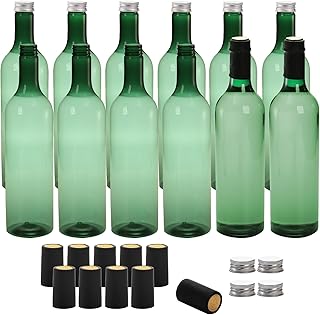
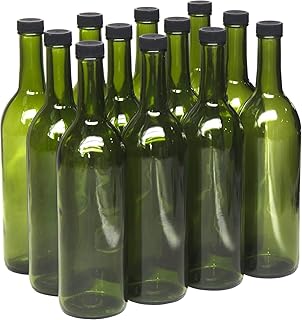


Consumer Preferences: Some consumers prefer green bottles for their aesthetic appeal and perceived freshness of the beer inside
Consumers often gravitate towards green bottles when selecting beer, drawn by their visual appeal and the perception of freshness they convey. This preference can be attributed to the psychological impact of color, where green is commonly associated with nature, vitality, and rejuvenation. As a result, many breweries opt for green glass to package their products, capitalizing on these positive associations to enhance brand image and consumer perception.
One notable example of a beer brand that leverages green bottles is Heineken. The iconic green bottle has become synonymous with the brand, helping to establish a strong visual identity in the competitive beer market. Heineken's use of green glass not only aligns with consumer preferences but also serves a practical purpose, as the color helps to protect the beer from light exposure, which can degrade its quality.
In addition to Heineken, other beer brands such as Beck's and Erdinger also use green bottles for their products. These brands recognize the value of appealing to consumer aesthetics and the perceived freshness that green bottles provide. By choosing green glass, these breweries are able to differentiate their products on store shelves and create a memorable impression on consumers.
The trend towards green bottles in the beer industry highlights the importance of packaging in influencing consumer choices. Beyond mere functionality, packaging can play a crucial role in shaping brand identity and consumer perception. As such, breweries that opt for green bottles are not only catering to consumer preferences but also strategically positioning their products in the market.
In conclusion, the use of green bottles in the beer industry is a strategic choice that taps into consumer preferences for aesthetically pleasing and fresh-looking products. Brands like Heineken, Beck's, and Erdinger have successfully leveraged this trend to enhance their market presence and create a lasting impression on consumers.
Sustainable Sips: The Truth About Recycling Glass Beer Bottles
You may want to see also
Frequently asked questions
Several beers come in green bottles, but some of the most popular ones include Heineken, Beck's, and Erdinger.
Green bottles help protect the beer from light, which can cause it to spoil. The green glass filters out harmful UV rays, preserving the beer's flavor and quality.
Yes, there are a few American beers that come in green bottles, such as Sierra Nevada Pale Ale and Samuel Adams Boston Lager.
To ensure a beer in a green bottle is fresh, check the expiration date on the label. Additionally, look for signs of proper storage, such as a cool, dark place away from direct sunlight.


