Jason Wagner
Stout is a type of beer that is characterized by its dark color, rich flavor, and creamy head. It originated in England in the 18th century and has since become a popular style of beer around the world. Stout is made using roasted malt or roasted barley, which gives it its distinctive dark color and roasted flavor. It is typically brewed with a higher gravity than other types of beer, resulting in a more full-bodied and complex flavor profile. Some of the most famous types of stout include Guinness, Samuel Adams, and Founders.
| Characteristics | Values |
|---|---|
| Color | Stout is typically darker in color, ranging from deep brown to black, while beer can vary from pale yellow to amber or even dark brown. |
| Flavor Profile | Stout has a rich, complex flavor profile with notes of coffee, chocolate, caramel, and roasted malt. Beer flavors can range from light and crisp to hoppy and bitter, or even sweet and malty. |
| Alcohol Content | Stouts generally have a higher alcohol content, often ranging from 5% to 10% ABV or more. Beers can have a wide range of alcohol contents, from as low as 2% to over 10% ABV. |
| Body and Mouthfeel | Stout tends to have a fuller, creamier body with a smooth, velvety mouthfeel. Beer can have a variety of body types, from light and watery to full and viscous. |
| Brewing Process | Stout is typically brewed with roasted malt or barley, which gives it its distinctive color and flavor. Beer brewing processes can vary widely, using different types of malt, hops, and yeast. |
| Historical Origins | Stout originated in England in the 17th century and was initially called "stout porter." Beer has a much longer history, dating back to ancient civilizations such as Mesopotamia and Egypt. |
| Popular Styles | Popular styles of stout include Imperial Stout, Oatmeal Stout, and Milk Stout. Popular beer styles include IPA, Pilsner, Lager, and Pale Ale. |
| Serving Temperature | Stout is often served at slightly warmer temperatures, around 50-55°F (10-13°C), to enhance its rich flavors. Beer serving temperatures can vary, but many are served chilled, around 40-45°F (4-7°C). |
| Food Pairings | Stout pairs well with rich, hearty foods like stews, roasts, and chocolate desserts. Beer can pair with a wide variety of foods, depending on the style, from light salads to spicy curries. |
| Cultural Significance | Stout has a strong cultural association with Ireland and is often linked to Irish pubs and St. Patrick's Day celebrations. Beer has a significant cultural presence worldwide, with many countries having their own unique brewing traditions and beer festivals. |
Explore related products




What You'll Learn
- Ingredients: Stouts often use roasted malt or barley, hops, water, and yeast, similar to other beers
- Color: Stouts are typically dark in color, ranging from deep brown to black, due to roasted ingredients
- Flavor Profile: Stouts have rich, complex flavors with notes of coffee, chocolate, caramel, and dark fruits
- Brewing Process: Stouts may undergo longer brewing times and higher temperatures to develop their robust flavors
- Alcohol Content: Stouts generally have a higher alcohol by volume (ABV) percentage compared to lighter beers

Ingredients: Stouts often use roasted malt or barley, hops, water, and yeast, similar to other beers
Stouts and other beers share a common foundation in their ingredients: roasted malt or barley, hops, water, and yeast. However, the proportions and types of these ingredients can vary significantly, leading to the distinct characteristics of stouts. For instance, stouts typically use a higher percentage of roasted malt or barley, which contributes to their rich, dark color and robust flavor profile. This roasted malt imparts notes of chocolate, coffee, and caramel, setting stouts apart from lighter beers.
Hops play a crucial role in balancing the sweetness of the malt with bitterness. While many beers use hops primarily for bitterness, stouts often incorporate them for aroma and flavor as well. The choice of hop varieties can range from traditional English hops like Fuggles and East Kent Goldings to more modern American hops such as Cascade and Citra, each adding unique nuances to the beer.
Water composition is another key factor in stout brewing. The mineral content of the water can influence the beer's flavor, with stouts often benefiting from water with higher levels of calcium and magnesium. These minerals help to enhance the roasted malt flavors and contribute to a smoother mouthfeel.
Yeast selection is critical in stout brewing, as different yeast strains can produce varying levels of fermentation byproducts like esters and phenols. For example, some yeast strains may produce fruity esters that complement the rich malt flavors, while others might contribute spicy or clove-like phenols. Brewers often choose yeast strains that can handle the higher alcohol content typical of stouts and that can ferment effectively at cooler temperatures to maintain the beer's complex flavor profile.
In summary, while stouts share basic ingredients with other beers, the specific types and proportions of these ingredients, along with the brewing techniques employed, give stouts their unique characteristics. The interplay between roasted malt, hops, water, and yeast creates the rich, dark, and flavorful beer that stout enthusiasts enjoy.
Exploring the Distinctive World of Hard Cider vs. Beer
You may want to see also
Explore related products




Color: Stouts are typically dark in color, ranging from deep brown to black, due to roasted ingredients
The color of stout is one of its most distinguishing features, setting it apart from other types of beer. Stouts are typically dark in color, ranging from deep brown to black, due to the use of roasted ingredients during the brewing process. This unique coloration is a result of the Maillard reaction, a chemical reaction between amino acids and reducing sugars that occurs when ingredients are roasted. The Maillard reaction not only contributes to the dark color of stout but also imparts complex flavors and aromas, such as chocolate, coffee, and caramel notes.
In contrast, other types of beer, such as lagers and ales, tend to have lighter colors, ranging from pale yellow to amber. This is because they are brewed with less roasted ingredients, resulting in a lower concentration of melanins, the pigments responsible for the dark color of stout. The lighter color of these beers also reflects their flavor profiles, which are generally crisper and more refreshing compared to the rich, robust taste of stout.
The dark color of stout also has practical implications for its storage and serving. Stouts are more sensitive to light than other types of beer, and exposure to light can cause them to spoil more quickly. Therefore, stouts are often packaged in dark bottles or cans to protect them from light damage. When serving stout, it is important to pour it carefully to avoid creating too much foam, which can detract from the beer's flavor and aroma.
In summary, the dark color of stout is a key characteristic that distinguishes it from other types of beer. This coloration is a result of the use of roasted ingredients during the brewing process, which also contributes to the beer's complex flavor profile. The dark color of stout has practical implications for its storage and serving, making it important to handle this type of beer with care to preserve its quality and taste.
Exploring the Unique Sensations: Vodka vs. Beer Intoxication
You may want to see also
Explore related products
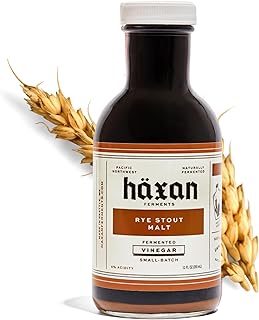


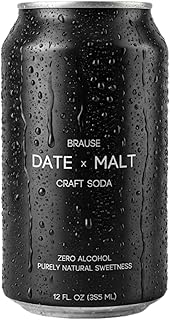

Flavor Profile: Stouts have rich, complex flavors with notes of coffee, chocolate, caramel, and dark fruits
Stouts are renowned for their rich and complex flavor profiles, which set them apart from other types of beer. The flavors in stouts are typically characterized by notes of coffee, chocolate, caramel, and dark fruits, creating a deep and satisfying taste experience. These flavors are derived from the use of roasted malts, which undergo a process that develops their unique characteristics. The roasting process can vary in intensity, resulting in different shades of stout, from light to dark, each with its own distinct flavor profile.
The coffee notes in stouts often manifest as a slightly bitter, roasted flavor that can range from subtle to pronounced, depending on the specific type of stout. Chocolate flavors can be rich and creamy, adding a smooth and velvety texture to the beer. Caramel notes contribute a sweet, buttery taste that balances the bitterness of the coffee and the richness of the chocolate. Dark fruit flavors, such as those of raisins, prunes, or blackberries, can add a layer of complexity and depth to the overall flavor profile.
One of the key differences between stouts and other beers is the emphasis on these rich, roasted flavors. While many beers focus on hop bitterness or yeast-driven fruitiness, stouts prioritize the development of complex, malt-driven flavors. This is achieved through careful selection and roasting of malts, as well as through specific brewing techniques that allow these flavors to shine.
In addition to their flavor profiles, stouts are also known for their creamy, smooth mouthfeel, which is often enhanced by the addition of nitrogen during the pouring process. This results in a beer that is not only rich in flavor but also luxurious in texture, making it a favorite among many beer enthusiasts.
Overall, the unique flavor profile of stouts, with its rich notes of coffee, chocolate, caramel, and dark fruits, sets them apart from other types of beer and makes them a distinctive and enjoyable choice for those who appreciate complex and satisfying flavors.
Exploring the Unique Flavors: Cerveza vs. Beer Comparison
You may want to see also
Explore related products

$25.99


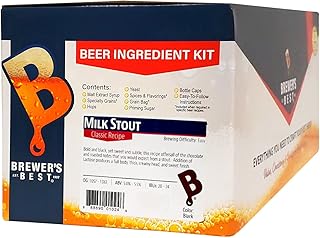
Brewing Process: Stouts may undergo longer brewing times and higher temperatures to develop their robust flavors
The brewing process for stouts is distinct from that of other beers, primarily due to the longer brewing times and higher temperatures involved. This extended process allows for the development of the robust and complex flavors that stouts are known for. The higher temperatures, often reaching up to 90°C (194°F), facilitate the caramelization of sugars and the Maillard reaction, which contribute to the rich, roasted malt flavors characteristic of stouts.
In addition to the temperature, the brewing time for stouts is significantly longer than for lighter beers. This prolonged brewing period, which can last several hours, allows for a more thorough extraction of flavors from the malt and hops. The extended time also enables the yeast to ferment more completely, resulting in a higher alcohol content and a fuller body.
The mashing process for stouts is also unique. The grains are typically roasted to a darker degree before mashing, which imparts a deeper color and more intense flavors to the beer. The mashing temperature is also higher, usually around 65-70°C (149-158°F), to ensure that the starches are fully converted into sugars.
During fermentation, stouts often undergo a secondary fermentation process, which can last for several weeks or even months. This secondary fermentation allows for the development of additional flavors and complexities, as well as a smoother finish.
The conditioning process for stouts is also longer than for other beers, often lasting for several months. This extended conditioning period allows the flavors to mature and meld together, resulting in a more balanced and refined beer.
In summary, the brewing process for stouts is characterized by longer brewing times, higher temperatures, and a more complex fermentation and conditioning process. These factors contribute to the robust and distinctive flavors that set stouts apart from other types of beer.
Exploring the Distinctive World of Cider vs. Beer
You may want to see also
Explore related products


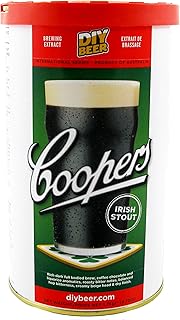

Alcohol Content: Stouts generally have a higher alcohol by volume (ABV) percentage compared to lighter beers
Stouts are known for their robust flavor profiles and rich, dark colors, which often come hand-in-hand with a higher alcohol content. On average, stouts tend to have an alcohol by volume (ABV) percentage that ranges from 4% to 7%, though some varieties can reach up to 10% ABV or more. This higher alcohol content is a result of the brewing process, where stouts are typically brewed with a higher gravity malt bill, meaning more fermentable sugars are present for the yeast to convert into alcohol.
In comparison, lighter beers such as lagers and pilsners usually have a lower ABV, typically ranging from 3% to 5%. This difference in alcohol content can significantly impact the taste and mouthfeel of the beer, with stouts often having a more pronounced, warming alcohol presence that complements their rich, roasted malt flavors.
The higher ABV of stouts also means that they tend to have a longer shelf life than lighter beers, as the alcohol acts as a natural preservative. However, this also means that stouts should be consumed in moderation, as their higher alcohol content can lead to quicker intoxication if not enjoyed responsibly.
When it comes to pairing stouts with food, their higher ABV and robust flavors make them an excellent match for hearty, rich dishes such as stews, roasts, and chocolate desserts. The alcohol content can help to cut through the richness of these dishes, while the roasted malt flavors can complement and enhance the overall dining experience.
In summary, the higher alcohol content of stouts is a key characteristic that sets them apart from lighter beers. This difference in ABV not only affects the taste and mouthfeel of the beer but also has implications for its shelf life, consumption, and food pairing potential.
Exploring the Unique Flavors: Pear Hard Cider vs. Beer
You may want to see also
Frequently asked questions
Stout is a type of beer that is characterized by its dark color, rich flavor, and higher alcohol content. It is made using roasted malt or roasted barley, which gives it a distinctive coffee-like or chocolatey taste.
The main ingredients used in making stout include water, malted barley, hops, and yeast. Some stouts also use additional ingredients such as coffee, chocolate, or vanilla to enhance their flavor profile.
Stout typically has a higher alcohol content than other types of beer, with an average ABV (alcohol by volume) ranging from 4% to 8%. Some stouts can have an even higher ABV, reaching up to 12% or more.