Arabella Franco
Sour beers represent a unique and intriguing category within the world of brewing, distinguished by their tart and acidic flavor profiles. Unlike regular beers, which typically have a balanced and slightly bitter taste, sour beers are intentionally fermented with wild yeast strains and bacteria that produce lactic acid, giving them their characteristic sourness. This process, often involving long-term aging in oak barrels, allows for the development of complex flavors and aromas, ranging from fruity and funky to earthy and vinegary. The art of crafting sour beers requires a deep understanding of microbiology, fermentation techniques, and flavor chemistry, making it a fascinating subject for both brewers and beer enthusiasts alike.
Explore related products


What You'll Learn
- Fermentation Process: Sour beers use wild yeast and bacteria, unlike regular beers that use cultivated yeast strains
- Ingredient Selection: Sour beers often include unique grains and fruits to enhance tartness, differing from regular beer recipes
- Brewing Techniques: Methods like kettle souring and barrel aging are common in sour beer production, contrasting with regular brewing
- Flavor Profile: Sour beers are characterized by their tart, funky flavors, distinct from the more straightforward taste of regular beers
- Historical Context: Sour beers have ancient roots and are experiencing a modern revival, differing from the more consistent history of regular beers

Fermentation Process: Sour beers use wild yeast and bacteria, unlike regular beers that use cultivated yeast strains
Sour beers owe their distinctive tartness and complex flavors to a unique fermentation process that differs significantly from that of regular beers. While conventional beers rely on cultivated yeast strains for fermentation, sour beers utilize wild yeast and bacteria, introducing a spontaneous and unpredictable element to the brewing process.
This unconventional approach begins with the wort, the sugary liquid extracted from the mashing process. In sour beer production, the wort is often cooled slowly and left exposed to the air, allowing wild yeast and bacteria present in the environment to inoculate the liquid naturally. This method, known as spontaneous fermentation, can take several days or even weeks, depending on the desired flavor profile and the specific microorganisms involved.
One of the key bacteria responsible for the sour taste in these beers is Lactobacillus, which converts sugars into lactic acid. This acidification process not only imparts the characteristic tartness but also helps to preserve the beer, making it more stable over time. Other bacteria, such as Pediococcus, can also contribute to the flavor complexity, producing compounds like diacetyl and acetaldehyde that add depth and nuance to the beer's profile.
The use of wild yeast and bacteria introduces a level of unpredictability to the fermentation process, as the specific microorganisms present can vary greatly depending on factors like the brewery's location, the time of year, and even the weather. This variability can lead to unique and exciting flavor combinations, but it also requires careful monitoring and control by the brewer to ensure a consistent and desirable final product.
In contrast, regular beers typically use cultivated yeast strains that have been carefully selected and propagated to produce specific flavor profiles. These yeasts are added to the wort in a controlled manner, and the fermentation process is more predictable and easier to manage. However, this predictability comes at the cost of the complex and spontaneous flavors that sour beers are known for.
In summary, the fermentation process for sour beers is a delicate balance between control and spontaneity, relying on wild yeast and bacteria to create the distinctive tartness and complexity that sets these beers apart from their regular counterparts. This unique approach requires a deep understanding of the microorganisms involved and a willingness to embrace the unpredictability of natural fermentation.
Exploring the Flavorful Divide: Ale vs. Beer Unveiled
You may want to see also
Explore related products


Ingredient Selection: Sour beers often include unique grains and fruits to enhance tartness, differing from regular beer recipes
Sour beers are distinguished by their tart and tangy flavor profiles, which are achieved through the use of specific ingredients that differ from those used in regular beer recipes. One of the key differences lies in the selection of grains. While traditional beers often rely on barley, wheat, and rye, sour beers may incorporate unique grains such as spelt, kamut, or even quinoa to add complexity and enhance the tartness. These alternative grains can contribute to a more nuanced flavor profile and provide a distinctive character to the sour beer.
In addition to grains, sour beers frequently feature a variety of fruits to intensify the tartness and add layers of flavor. Common fruits used in sour beer production include raspberries, blackberries, cherries, and peaches. These fruits not only contribute to the beer's acidity but also impart fruity aromas and flavors that complement the tartness. Some brewers even experiment with less conventional fruits like mango, pineapple, or passion fruit to create unique and exotic sour beer variations.
The use of these unique grains and fruits in sour beer recipes requires careful consideration and experimentation. Brewers must balance the tartness contributed by the ingredients with the desired flavor profile and mouthfeel of the final product. This often involves adjusting the proportions of grains and fruits, as well as monitoring the fermentation process to ensure that the desired level of sourness is achieved without overpowering the other flavors.
Furthermore, the selection of ingredients for sour beers can also be influenced by regional and cultural factors. For example, some European sour beer styles, such as the Belgian lambic, are traditionally made with locally sourced grains and fruits, reflecting the unique terroir of the region. This emphasis on local ingredients not only adds to the distinctiveness of the sour beer but also supports sustainable and environmentally friendly brewing practices.
In conclusion, the ingredient selection process for sour beers is a critical aspect of their production, as it directly impacts the flavor, aroma, and overall character of the final product. By incorporating unique grains and fruits, brewers can create a wide range of sour beer styles that offer a refreshing and complex alternative to traditional beer recipes.
Exploring the Unique Sensations: Vodka vs. Beer Intoxication
You may want to see also
Explore related products


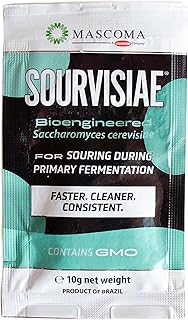


Brewing Techniques: Methods like kettle souring and barrel aging are common in sour beer production, contrasting with regular brewing
Kettle souring is a technique unique to sour beer production where the wort is intentionally soured in the kettle before fermentation. This process involves adding lactic acid bacteria to the wort and heating it to a specific temperature to encourage the bacteria to produce lactic acid, which gives the beer its characteristic tartness. The wort is then cooled and transferred to a fermenter where yeast is added to convert the sugars into alcohol. This method allows for precise control over the level of sourness in the final product and is commonly used in the production of Berliner Weisse and other kettle-soured beers.
Barrel aging is another technique used in sour beer production that involves fermenting and aging the beer in oak barrels. This process not only imparts a sour flavor to the beer but also adds complexity and depth from the interaction with the wood. The barrels are often inoculated with a blend of wild yeast and bacteria, which ferment the beer and produce a variety of flavors and aromas. The beer is then aged in the barrels for several months to a few years, allowing the flavors to develop and mature. This method is commonly used in the production of lambics, gueuzes, and other barrel-aged sour beers.
In contrast to sour beer production, regular brewing typically involves a more straightforward process where the wort is boiled, cooled, and then fermented with yeast. The yeast converts the sugars in the wort into alcohol and carbon dioxide, resulting in a beer with a clean, crisp flavor profile. Regular brewing does not involve the intentional souring of the wort or the use of oak barrels for fermentation and aging.
The use of kettle souring and barrel aging in sour beer production not only results in a distinct flavor profile but also requires specialized equipment and techniques. Brewers must carefully monitor the pH levels during kettle souring to ensure the desired level of sourness is achieved. Additionally, barrel aging requires careful management of the barrels, including regular cleaning and maintenance, to prevent contamination and ensure the quality of the final product.
In summary, kettle souring and barrel aging are two techniques that are unique to sour beer production and provide a distinct flavor profile compared to regular brewing. These methods require specialized equipment and techniques but offer brewers the opportunity to create complex and nuanced sour beers that are highly sought after by enthusiasts.
Exploring the Unique Flavors and Traditions of Mexican Beers
You may want to see also
Explore related products


Flavor Profile: Sour beers are characterized by their tart, funky flavors, distinct from the more straightforward taste of regular beers
Sour beers are renowned for their complex and distinctive flavor profiles, which set them apart from their regular counterparts. The tartness and funkiness of sour beers are the result of a unique brewing process that involves the deliberate introduction of lactic acid bacteria and wild yeast strains. These microorganisms ferment the sugars in the wort, producing lactic acid as a byproduct, which gives sour beers their characteristic acidity.
The flavor profile of sour beers can range from mildly tart to extremely sour, depending on the specific bacteria and yeast strains used, as well as the brewing techniques employed. Some common flavor notes in sour beers include lemon, lime, vinegar, and funky, earthy undertones. These flavors are often balanced by a crisp, refreshing mouthfeel and a dry finish, which makes sour beers a popular choice for those seeking a more adventurous and nuanced beer-drinking experience.
One of the key differences between sour beers and regular beers lies in the fermentation process. While regular beers are typically fermented with a single strain of yeast, sour beers involve a more complex fermentation process that can take weeks or even months to complete. This extended fermentation period allows the lactic acid bacteria and wild yeast strains to fully develop the beer's sour character.
Another important distinction is the use of specific ingredients and brewing techniques that are tailored to the production of sour beers. For example, some sour beers are brewed with a higher proportion of wheat or barley, which provides a more robust base for the fermentation process. Additionally, sour beers may undergo a process called "blending," where different batches of beer are combined to achieve the desired flavor profile.
In conclusion, the unique flavor profile of sour beers is the result of a specialized brewing process that involves the use of lactic acid bacteria and wild yeast strains, as well as specific ingredients and techniques that are distinct from those used in regular beer production. This complexity and attention to detail contribute to the rich, tart, and funky flavors that sour beer enthusiasts have come to appreciate.
Exploring the Rich Flavors: How Bock Beer Stands Out
You may want to see also
Explore related products


Historical Context: Sour beers have ancient roots and are experiencing a modern revival, differing from the more consistent history of regular beers
Sour beers have a rich and storied past that dates back thousands of years. Unlike their regular counterparts, which have enjoyed a relatively consistent history, sour beers have experienced a rollercoaster of popularity and obscurity. The earliest evidence of sour beer production can be traced back to ancient Mesopotamia, where brewers would use wild yeast and bacteria to ferment their beers, resulting in a tart and funky flavor profile. This method of fermentation was not a choice, but rather a necessity, as the concept of domesticated yeast was still in its infancy.
As brewing techniques evolved, so did the popularity of sour beers. In Europe, particularly in Belgium and Germany, sour beers became a staple of the brewing tradition. Beers like Lambic and Berliner Weisse were prized for their complex flavors and were often used as a base for other beer styles. However, with the advent of modern brewing techniques and the rise of lager beers, sour beers began to fall out of favor. The consistency and clean flavors of lagers appealed to a wider audience, and sour beers were relegated to a niche market.
In recent years, there has been a resurgence of interest in sour beers, driven in part by the craft beer movement. Brewers are once again experimenting with wild fermentation techniques and are pushing the boundaries of what is possible with sour beers. This modern revival has led to a renewed appreciation for the unique flavors and complexities of sour beers, and has also sparked a debate about the role of sour beers in the broader beer landscape.
One of the key differences between making sour beers and regular beers lies in the fermentation process. While regular beers rely on domesticated yeast strains to produce their flavors, sour beers use wild yeast and bacteria to achieve their distinctive tartness. This process is more unpredictable and requires a greater degree of skill and patience from the brewer. Additionally, sour beers often require longer aging times to allow the flavors to develop and mature, which can add to the overall complexity of the brewing process.
Another important distinction is the flavor profile of sour beers. Unlike regular beers, which tend to have a more balanced and harmonious flavor, sour beers are characterized by their tart and funky notes. These flavors can range from subtle and nuanced to bold and overpowering, depending on the specific brewing techniques and ingredients used. The acidity of sour beers also plays a crucial role in their overall taste, as it can help to cut through the richness of certain foods and enhance the flavors of others.
In conclusion, the historical context of sour beers is a fascinating and complex topic that highlights the evolving nature of brewing traditions. From their ancient roots to their modern revival, sour beers have consistently challenged the boundaries of what is possible in beer making. As the craft beer movement continues to grow, it is likely that sour beers will remain a popular and innovative style, appealing to beer enthusiasts who appreciate their unique flavors and rich history.
Exploring the Distinctive World of Cider vs. Beer
You may want to see also
Frequently asked questions
The primary difference is the intentional introduction of lactic acid bacteria and wild yeast in sour beers, which contributes to their tartness and complexity, whereas regular beers typically aim to avoid these microorganisms.
Sour beers achieve their tart flavor through a process called fermentation, where lactic acid bacteria convert sugars into lactic acid. This acidification gives sour beers their distinctive sharp and tangy taste.
Yes, sour beers often use specific ingredients like lactobacillus cultures and Brettanomyces yeast, which are not typically used in regular beer brewing. These ingredients contribute to the sour and funky flavors characteristic of sour beers.
Sour beers typically have a flavor profile that includes tart, fruity, and funky notes, often with a dry finish. In contrast, regular beers can range widely in flavor but generally do not have the pronounced sourness and may feature more malt, hop, or yeast-driven flavors.
Some popular styles of sour beers include Berliner Weisse, Flanders Red Ale, Lambic, Gueuze, and American Wild Ale. Each style has its own unique characteristics and flavor profiles, but all share the common trait of sourness.