Lucy Palmer
The idea that beer can be used as a hair conditioner is a popular home remedy that has been circulating for years. Proponents of this method claim that the alcohol in beer can help to remove buildup from hair products and oils, while the hops and barley can add shine and softness. However, there is limited scientific evidence to support these claims, and some experts argue that using beer on hair could actually cause damage or dryness. In this article, we'll explore the potential benefits and drawbacks of using beer as a hair conditioner, and examine the scientific evidence behind this unconventional beauty tip.
Explore related products


What You'll Learn
- Ingredients in Beer: Exploring the components of beer that might contribute to its conditioning properties
- Scientific Basis: Investigating any scientific evidence or studies supporting beer's use as a hair conditioner
- Anecdotal Evidence: Discussing personal experiences and testimonials from individuals who have used beer on their hair
- Comparison to Traditional Conditioners: Evaluating how beer's conditioning effects compare to those of commercial hair conditioners
- Potential Side Effects: Considering any possible negative impacts or risks associated with using beer as a hair conditioner

Ingredients in Beer: Exploring the components of beer that might contribute to its conditioning properties
Beer is composed of several key ingredients, each of which may contribute to its purported conditioning properties. The primary components of beer include water, malted barley, hops, and yeast. Malted barley is rich in proteins and amino acids, which can help to strengthen and repair hair. Hops, on the other hand, contain essential oils and acids that may help to balance the pH of the scalp and hair, promoting a healthy environment for hair growth. Yeast is a source of B vitamins, which are known to support hair health and may contribute to the conditioning effects of beer.
One of the most intriguing ingredients in beer is humulus lupulus, or hops. Hops contain a variety of compounds, including alpha acids, beta acids, and essential oils, which may have antimicrobial and anti-inflammatory properties. These properties could help to soothe the scalp and reduce dandruff, contributing to the overall conditioning effect of beer. Additionally, the antioxidants found in hops may help to protect hair from damage caused by free radicals.
Another important ingredient to consider is the yeast used in the fermentation process. Yeast is a living organism that consumes sugars and produces alcohol and carbon dioxide. In addition to its role in fermentation, yeast is also a source of B vitamins, including biotin, which is essential for healthy hair and skin. Biotin helps to strengthen hair and improve its texture, making it an important contributor to the conditioning properties of beer.
While the ingredients in beer may have some conditioning properties, it is important to note that beer is not a substitute for traditional hair care products. The alcohol content in beer can be drying to the hair and scalp, and excessive use may lead to negative effects. However, when used in moderation and as part of a balanced hair care routine, beer may provide some benefits as a conditioning treatment.
In conclusion, the ingredients in beer, such as malted barley, hops, and yeast, may contribute to its conditioning properties. These components contain proteins, amino acids, essential oils, and vitamins that can help to strengthen, repair, and protect hair. However, it is important to use beer as a conditioning treatment in moderation and as part of a balanced hair care routine to avoid any potential negative effects.
Exploring the Perfect Pair: Hoppy Beers and Beer Bread Recipes
You may want to see also
Explore related products


Scientific Basis: Investigating any scientific evidence or studies supporting beer's use as a hair conditioner
The notion that beer can be used as a hair conditioner has been circulating in popular culture for years, but is there any scientific basis to support this claim? To investigate, we must delve into the chemical composition of beer and its potential effects on hair health.
Beer is primarily composed of water, carbohydrates, and alcohol, with trace amounts of proteins, vitamins, and minerals. Some proponents of beer as a hair conditioner argue that the proteins and vitamins in beer can help strengthen and nourish hair. Additionally, the alcohol content in beer is believed to help dissolve and remove excess oils from the scalp, potentially improving hair texture and shine.
However, scientific studies on the use of beer as a hair conditioner are limited. One small study published in the Journal of Cosmetic Science found that beer extract may have some potential as a hair conditioner, but the results were inconclusive and further research is needed. Another study published in the International Journal of Cosmetic Science and Technology found that beer may have some antimicrobial properties that could be beneficial for scalp health, but again, more research is required to determine its effectiveness as a hair conditioner.
It is also important to note that the type of beer used may have an impact on its potential as a hair conditioner. For example, darker beers such as stouts and porters contain more antioxidants and may be more beneficial for hair health than lighter beers. However, without more comprehensive studies, it is difficult to make any definitive conclusions about the effectiveness of beer as a hair conditioner.
In conclusion, while there is some anecdotal evidence and limited scientific research to suggest that beer may have some potential as a hair conditioner, more studies are needed to determine its effectiveness and safety for this purpose. As with any home remedy or alternative treatment, it is important to consult with a healthcare professional before using beer as a hair conditioner, especially if you have any underlying health conditions or concerns.
Sipping Success: The Pros and Cons of a Pre-Work Beer
You may want to see also
Explore related products


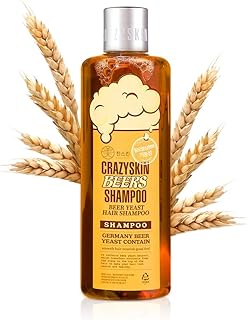

Anecdotal Evidence: Discussing personal experiences and testimonials from individuals who have used beer on their hair
Sarah, a 28-year-old graphic designer, swears by beer as a hair conditioner. She discovered this unconventional method during a backpacking trip in Europe, where she ran out of her usual hair care products. "I was desperate," she recalls, "and a local suggested using beer. I was skeptical at first, but after one rinse, my hair felt softer and more manageable than it had in weeks." Sarah now incorporates beer into her hair care routine once a month, using a half-cup of beer mixed with a quarter-cup of apple cider vinegar as a final rinse after shampooing. She believes the beer helps to balance her hair's pH and adds a natural shine.
Anecdotal evidence like Sarah's is abundant online, with numerous blogs and forums dedicated to discussing the benefits of using beer as a hair conditioner. Proponents claim that the alcohol in beer helps to strip away product buildup and excess oils, while the malt and hops provide nourishing nutrients that promote healthy hair growth. Some even suggest that the carbonation in beer can help to detangle hair and improve its texture.
However, it's important to note that the scientific evidence supporting these claims is limited. While some studies have shown that certain compounds found in beer, such as humulone, may have antimicrobial and anti-inflammatory properties, there is no conclusive research to suggest that beer is an effective hair conditioner. In fact, some experts argue that the alcohol in beer can actually dry out hair and scalp, leading to irritation and damage.
Despite the lack of scientific backing, many individuals continue to swear by beer as a hair care solution. For some, like Sarah, it's a matter of personal experience and preference. "I've tried countless hair products over the years," she says, "and nothing has worked as well as beer. It might not be for everyone, but it's definitely worth a try."
Ultimately, the decision to use beer as a hair conditioner comes down to individual choice and experimentation. While anecdotal evidence can be compelling, it's essential to approach such claims with a critical eye and to consult with a healthcare professional or dermatologist before trying any new hair care regimen.
Exploring the Effects: Does Beer Consumption Appear in Blood Work?
You may want to see also
Explore related products


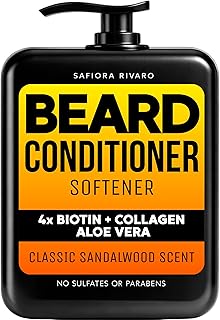


Comparison to Traditional Conditioners: Evaluating how beer's conditioning effects compare to those of commercial hair conditioners
Commercial hair conditioners are designed to moisturize, detangle, and improve the overall manageability of hair. They typically contain a combination of humectants, emollients, and surfactants that work together to achieve these effects. Humectants like glycerin and aloe vera attract moisture to the hair, emollients such as oils and butters smooth the hair cuticle, and surfactants help to reduce static and improve combability.
Beer, on the other hand, contains several ingredients that can have conditioning effects on hair. The malt and hops in beer are rich in proteins and antioxidants, which can help to strengthen and protect hair. Additionally, the carbonation in beer can help to remove buildup and impurities from the scalp and hair, potentially improving its overall health and appearance.
One key difference between beer and traditional conditioners is their pH level. Commercial conditioners are typically formulated to be pH-balanced, meaning they are neither too acidic nor too alkaline. This helps to maintain the natural pH of the hair and scalp, which is slightly acidic. Beer, however, has a more acidic pH, which can potentially disrupt the hair's natural pH balance if used too frequently or in large quantities.
Another consideration is the potential for beer to dry out hair if not used properly. While the proteins and antioxidants in beer can be beneficial, the alcohol content can also strip hair of its natural oils, leading to dryness and brittleness. This is less of a concern with traditional conditioners, which are specifically formulated to moisturize and nourish hair.
In terms of detangling and manageability, beer may not be as effective as traditional conditioners. The lack of surfactants in beer means it may not be as good at reducing static and improving combability. However, some people find that the carbonation in beer can help to loosen tangles and make hair easier to style.
Overall, while beer can have some conditioning effects on hair, it is not a direct substitute for traditional conditioners. The unique properties of beer may make it a useful addition to a hair care routine, but it should be used in moderation and in conjunction with other conditioning products to achieve the best results.
Exploring the Effects of Beer on Blood Thinning: Facts and Myths
You may want to see also
Explore related products


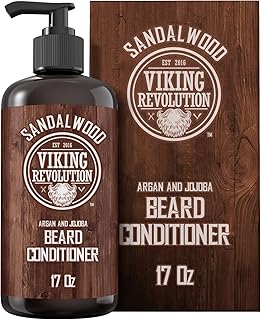


Potential Side Effects: Considering any possible negative impacts or risks associated with using beer as a hair conditioner
While beer may have some benefits as a hair conditioner, it's essential to consider the potential side effects and risks associated with its use. One of the primary concerns is the alcohol content in beer, which can be drying to the hair and scalp if used excessively. This may lead to increased dryness, itchiness, and even dandruff in some individuals. Additionally, the acidity of beer may disrupt the natural pH balance of the scalp, potentially causing irritation or inflammation.
Another potential side effect is the buildup of product in the hair. Beer contains proteins and other compounds that can accumulate over time, leading to a weighed-down, greasy appearance. This buildup may also make it more difficult to style the hair and could contribute to the development of scalp issues. Furthermore, the use of beer as a hair conditioner may not be suitable for all hair types. Those with fine or delicate hair may find that beer makes their hair more prone to breakage or damage.
It's also important to consider the potential for allergic reactions. Some individuals may be sensitive to the ingredients in beer, such as hops or barley, which could lead to skin irritation, redness, or even more severe allergic responses. Additionally, the use of beer on the hair may not be appropriate for those with certain medical conditions, such as eczema or psoriasis, as it could exacerbate symptoms.
To minimize the risks associated with using beer as a hair conditioner, it's crucial to use it in moderation and to dilute it with water before application. This can help to reduce the drying effects of the alcohol and prevent buildup. It's also advisable to perform a patch test before using beer on the hair to check for any adverse reactions. Finally, it's essential to rinse the hair thoroughly after using beer to remove any residual product and prevent potential scalp issues.
Exploring the Impact of Beer Taxes on Consumption and Revenue
You may want to see also
Frequently asked questions
Yes, beer can work as a hair conditioner. The proteins and sugars in beer can help to strengthen and condition hair, leaving it soft and shiny.
Darker beers, such as stouts and porters, are typically better for conditioning hair due to their higher protein content. However, any type of beer can be used.
To use beer as a hair conditioner, simply massage it into your hair after shampooing and leave it in for a few minutes before rinsing it out.
One potential drawback of using beer as a hair conditioner is that it may leave your hair smelling like beer. Additionally, if you have sensitive skin or scalp, the alcohol in beer may cause irritation.