Harmony Chandler
The question of whether beer contains refined sugar is a common one among health-conscious consumers and those monitoring their sugar intake. Beer is typically made from grains such as barley, wheat, or rice, which are fermented with yeast to produce alcohol. During this fermentation process, the natural sugars in the grains are converted into alcohol and carbon dioxide. However, some beers may have additional sugars added during or after fermentation to enhance flavor, body, or sweetness. These added sugars can sometimes be refined sugars, such as sucrose or fructose, which are more easily absorbed by the body and can contribute to calorie content without providing significant nutritional value. Therefore, while not all beers contain refined sugar, some varieties may have trace amounts or more, depending on the brewing process and recipe.
Explore related products




What You'll Learn
- Ingredients in Beer: Understanding the basic components used in beer brewing, including grains, hops, yeast, and water
- Brewing Process: Overview of how beer is made, focusing on steps where sugar could be added or refined
- Types of Sugars in Beer: Exploring different types of sugars that might be present in beer, such as maltose, glucose, and fructose
- Health Implications: Discussing the potential health effects of consuming beer with refined sugars, including calorie content and blood sugar impact
- Regulatory Standards: Reviewing industry regulations and labeling requirements regarding sugar content in beer products

Ingredients in Beer: Understanding the basic components used in beer brewing, including grains, hops, yeast, and water
Beer is a popular alcoholic beverage made from a combination of four primary ingredients: grains, hops, yeast, and water. Each of these components plays a crucial role in the brewing process and contributes to the final taste, aroma, and appearance of the beer.
Grains, such as barley, wheat, and rye, are the main source of fermentable sugars in beer. These sugars are extracted from the grains during the mashing process, where the grains are soaked in hot water to break down the starches into sugars. The type and proportion of grains used can significantly impact the flavor and body of the beer. For example, barley is known for its rich, malty flavor, while wheat can contribute a light, refreshing taste.
Hops are the flowers of the hop plant and are used in beer brewing for their bittering, flavoring, and aroma properties. They contain compounds called alpha acids, which contribute to the bitterness of the beer, and essential oils, which provide flavor and aroma. Hops can be added at different stages of the brewing process to achieve varying effects. For instance, adding hops early in the boil will result in a more pronounced bitterness, while adding them later will enhance the flavor and aroma.
Yeast is a microorganism that is responsible for the fermentation of sugars in beer. During fermentation, yeast converts the sugars extracted from the grains into alcohol and carbon dioxide, creating the characteristic bubbles and fizz in the beer. There are different types of yeast used in beer brewing, such as ale yeast and lager yeast, each producing distinct flavors and characteristics. Ale yeast, for example, tends to produce beers with a fruity, estery flavor, while lager yeast results in a cleaner, crisper taste.
Water is the final ingredient in beer and is used in various stages of the brewing process, including mashing, boiling, and fermentation. The quality and composition of the water can have a significant impact on the final product. For example, water with high mineral content can enhance the flavor of certain beer styles, while water with low mineral content may be preferred for others.
In conclusion, understanding the basic ingredients used in beer brewing is essential for appreciating the complexity and variety of flavors found in different beer styles. By combining these four primary components in various ways, brewers can create a wide range of beers to suit different tastes and preferences.
Sweetening the Brew: A Guide to Carbonating Beer with Sugar
You may want to see also
Explore related products


Brewing Process: Overview of how beer is made, focusing on steps where sugar could be added or refined
The brewing process is a complex series of steps that transforms raw ingredients into the final beer product. One of the key stages in this process is the addition and refinement of sugars, which play a crucial role in determining the flavor, alcohol content, and overall quality of the beer.
The process begins with the malting of grains, typically barley, which involves soaking the grains in water to activate enzymes that break down starches into fermentable sugars. This step is critical as it sets the stage for the subsequent fermentation process. After malting, the grains are dried and then milled to create a coarse flour known as grist.
The next step is mashing, where the grist is mixed with hot water in a mash tun to create a porridge-like mixture. This process further breaks down the starches into sugars, primarily maltose, which will be used by the yeast during fermentation. The temperature and duration of the mash are carefully controlled to optimize sugar extraction and minimize the production of unwanted compounds.
Following mashing, the mixture is transferred to a lauter tun, where the liquid wort is separated from the solid grain material. The wort is then boiled in a kettle, where hops are added for bitterness, flavor, and aroma. During this boiling process, additional sugars can be added to the wort, either in the form of refined sugar or other fermentable additives like honey or maple syrup. These sugars will contribute to the final alcohol content and sweetness of the beer.
After boiling, the wort is cooled and transferred to a fermentation vessel, where yeast is added to begin the fermentation process. The yeast consumes the sugars in the wort, producing alcohol and carbon dioxide as byproducts. The type of yeast used, as well as the temperature and duration of fermentation, can significantly impact the flavor and character of the final beer.
In conclusion, the brewing process involves several steps where sugar is added or refined, each playing a vital role in shaping the final product. From the initial malting and mashing stages to the boiling and fermentation processes, careful control and attention to detail are essential to ensure the production of high-quality beer.
Unveiling the Truth: Do Cider Beers Really Contain a Lot of Sugar?
You may want to see also
Explore related products




Types of Sugars in Beer: Exploring different types of sugars that might be present in beer, such as maltose, glucose, and fructose
Beer is a complex beverage with a variety of components, and sugars play a crucial role in its flavor, body, and alcohol content. While many people are aware that beer contains sugars, they may not realize the diversity of sugar types present. Maltose, glucose, and fructose are just a few examples of the sugars that can be found in beer, each contributing unique characteristics to the final product.
Maltose is perhaps the most well-known sugar in beer, as it is a primary product of the malting process. During malting, barley grains are germinated and then dried, converting their starches into fermentable sugars. Maltose is a disaccharide composed of two glucose molecules, and it serves as a vital energy source for the yeast during fermentation. The amount of maltose in beer can vary depending on the type of malt used and the brewing process, but it typically constitutes a significant portion of the beer's sugar content.
Glucose is another common sugar in beer, often added during the brewing process to increase the beer's sweetness or to provide additional energy for the yeast. Glucose is a simple sugar that is easily fermentable, making it a popular choice for brewers looking to boost their beer's alcohol content. However, the use of glucose can also lead to a beer that is overly sweet or lacks the complexity of flavors that come from other sugar sources.
Fructose, on the other hand, is a less common sugar in beer but can still be found in some varieties. Fructose is a simple sugar that is naturally present in fruits and honey, and it can be added to beer to impart a fruity flavor or to increase the beer's sweetness. However, fructose is not as easily fermentable as glucose or maltose, so its use in beer is more limited.
In addition to these primary sugars, beer can also contain a variety of other sugars, such as sucrose, lactose, and dextrins. These sugars can be added during the brewing process to achieve specific flavor profiles or to provide additional energy for the yeast. The type and amount of sugars used in beer can greatly influence its taste, aroma, and overall character, making it an important consideration for brewers and beer enthusiasts alike.
Understanding the different types of sugars in beer can help consumers make informed choices about the beers they drink and appreciate the complexity of flavors that come from these sweet ingredients. Whether you prefer a beer that is sweet and fruity or one that is dry and crisp, the sugars used in the brewing process play a vital role in shaping your beer-drinking experience.
Unveiling the Truth: Abita Beer's Sugar Content Explained
You may want to see also
Explore related products



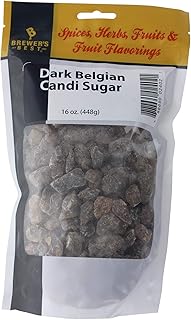
Health Implications: Discussing the potential health effects of consuming beer with refined sugars, including calorie content and blood sugar impact
Consuming beer that contains refined sugars can have several health implications. One of the primary concerns is the calorie content. Refined sugars are a source of empty calories, meaning they provide energy but lack essential nutrients. This can contribute to weight gain and obesity if consumed in excess. Additionally, the high calorie content in sugary beers can lead to an increased risk of developing type 2 diabetes, cardiovascular diseases, and other metabolic disorders.
Another significant health effect is the impact on blood sugar levels. Refined sugars cause a rapid spike in blood glucose levels, followed by a sharp decline. This can lead to energy crashes, mood swings, and cravings for more sugary foods and drinks. Over time, frequent consumption of sugary beers can contribute to insulin resistance, where the body's cells become less responsive to insulin, the hormone responsible for regulating blood sugar. This can further increase the risk of developing type 2 diabetes and other related health issues.
Moreover, the combination of alcohol and refined sugars in beer can have a detrimental effect on liver health. Alcohol is metabolized by the liver, and when combined with sugar, it can lead to increased fat storage in the liver, potentially resulting in conditions such as fatty liver disease. This can impair liver function and lead to a range of serious health problems, including liver cirrhosis and liver cancer.
It is also important to consider the potential impact on dental health. The sugars in beer can contribute to tooth decay and cavities, as they provide a food source for harmful bacteria in the mouth. Regular consumption of sugary beers can lead to an increased risk of dental problems, which can have broader implications for overall health.
In conclusion, while enjoying a beer occasionally is unlikely to cause significant harm, it is essential to be aware of the potential health implications of consuming beer with refined sugars regularly. Moderation is key, and opting for beers with lower sugar content or alternative sweeteners can be a healthier choice.
Unveiling the Truth: Is Beer Really High in Sugar?
You may want to see also
Explore related products


Regulatory Standards: Reviewing industry regulations and labeling requirements regarding sugar content in beer products
The regulatory landscape surrounding sugar content in beer is complex and varies significantly across different regions. In the United States, the Alcohol and Tobacco Tax and Trade Bureau (TTB) oversees the labeling and advertising of alcoholic beverages, including beer. According to TTB regulations, beer labels must include the alcohol by volume (ABV) percentage, but there are no specific requirements to disclose sugar content. However, if a beer contains added sugars, it must be listed in the ingredients section of the label.
In contrast, the European Union has more stringent labeling requirements. The EU's Food Information to Consumers Regulation (FIC) mandates that all food and drink products, including beer, must clearly list all ingredients, including sugars. This means that European beer consumers have more information at their disposal when it comes to understanding the sugar content of their beverages.
Other countries, such as Canada and Australia, have their own set of regulations regarding sugar content in beer. In Canada, the Canadian Food Inspection Agency (CFIA) requires that all food and drink products, including beer, must list all ingredients, including sugars, on the label. Similarly, in Australia, the Food Standards Australia New Zealand (FSANZ) has regulations in place that require beer labels to include information about sugar content.
The lack of standardized regulations across different regions can make it challenging for consumers to understand the sugar content of their beer. This is particularly concerning given the growing awareness of the health risks associated with excessive sugar consumption. As a result, some breweries have taken it upon themselves to voluntarily disclose sugar content on their labels, even if it is not required by law.
In conclusion, the regulatory standards surrounding sugar content in beer vary significantly across different regions. While some countries have strict labeling requirements, others are more lenient. This lack of standardization can make it difficult for consumers to make informed choices about their beer consumption. As the health risks associated with excessive sugar consumption become more widely known, it is likely that we will see increased pressure on regulators to implement more stringent labeling requirements for sugar content in beer.
Unveiling the Sweetness: Sugar Content in Your Favorite Beers
You may want to see also
Frequently asked questions
Generally, beer does not contain refined sugar. The sweetness in beer comes from the natural sugars present in the grains used during the brewing process, such as barley and wheat.
The source of sweetness in beer is primarily from the natural sugars found in the grains that are malted and used in the brewing process. These sugars are converted into alcohol and carbon dioxide during fermentation, but some residual sweetness may remain depending on the type of beer.
Yes, there can be health benefits to beer not containing refined sugar. Refined sugars are often associated with various health issues such as obesity, diabetes, and heart disease. Since beer typically does not contain refined sugar, it may be considered a better alternative for those looking to avoid these sugars in their diet. However, it's important to note that beer should still be consumed in moderation as part of a balanced diet.

![Orchard Hill [Pack of 12] Budweiser Full Flavored Zero Alcohol Brew, 0.00 ALC, NA Non-Alcoholic Beer, 50 Cal, Zero Sugar, Cans, 12 Fl Oz (Pack of 12)](https://m.media-amazon.com/images/I/81HEjZZVTMS._AC_UL320_.jpg)



![[Pack of 24] Bud Full Flavored Zero Alcohol Brew, 0.00 ALC, NA Non-Alcoholic Beer, 50 Cal, Zero Sugar, Cans, 12 Fl Oz (Pack of 24)](https://m.media-amazon.com/images/I/51RUqU+bqVL._AC_UL320_.jpg)