Arabella Franco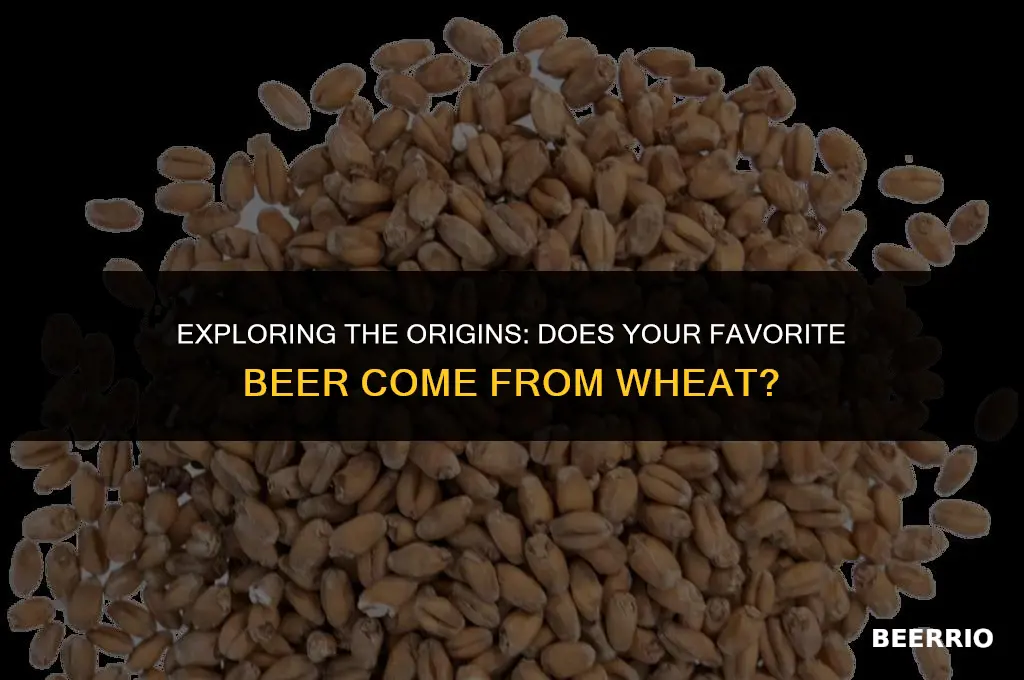
Beer is a popular alcoholic beverage that has been brewed for thousands of years using various grains as its primary source of fermentable sugars. While wheat is one of the grains used in beer production, it is not the only one. Barley is the most common grain used in brewing, followed by wheat, rye, and oats. The type of grain used can significantly impact the flavor, aroma, and texture of the beer. Wheat beers, for example, are known for their light, refreshing taste and cloudy appearance. So, to answer the question, Does beer come from wheat? - yes, it can, but it's not the only grain used in brewing.
Explore related products





What You'll Learn
- Ingredients of Beer: Beer is typically made from four primary ingredients: water, malted barley, hops, and yeast
- Role of Wheat: While wheat can be used in beer production, it is not the primary grain used in most beers
- Types of Beer Grain: Barley is the most common grain used in beer, but other grains like wheat, rye, and oats can also be used
- Wheat Beer Varieties: Some beer styles, such as wheat beers or hefeweizens, do use wheat as a significant ingredient
- Brewing Process: The brewing process involves malting, mashing, boiling, fermenting, conditioning, and packaging, regardless of the grain used

Ingredients of Beer: Beer is typically made from four primary ingredients: water, malted barley, hops, and yeast
Beer is a popular alcoholic beverage that has been brewed for thousands of years. While many people associate beer with wheat, the fact is that traditional beer is typically made from four primary ingredients: water, malted barley, hops, and yeast. Malted barley is the main source of fermentable sugars in beer, and it is this ingredient that is often mistaken for wheat. However, wheat can be used as a substitute for barley in some beer recipes, particularly in styles like wheat beers or hefeweizens.
The brewing process begins with the malting of barley, which involves soaking the grains in water to activate enzymes that convert the starches into sugars. The malted barley is then dried and roasted to develop the desired flavors and aromas. Hops are added during the brewing process to provide bitterness, flavor, and aroma to the beer. Yeast is responsible for fermenting the sugars in the malted barley, converting them into alcohol and carbon dioxide.
While wheat can be used in beer brewing, it is not a primary ingredient in most traditional beer recipes. Wheat beers, on the other hand, are a distinct style of beer that is brewed with a significant proportion of wheat in addition to barley. These beers are typically lighter in color and have a more refreshing taste than traditional barley-based beers.
In conclusion, while wheat can be used in beer brewing, it is not a primary ingredient in most traditional beer recipes. Beer is typically made from water, malted barley, hops, and yeast, with wheat being used as a substitute or additional ingredient in some styles of beer.
Exploring Wheat Beers: Are They Truly Heavy and Bitter?
You may want to see also
Explore related products


Role of Wheat: While wheat can be used in beer production, it is not the primary grain used in most beers
Wheat, a versatile grain, plays a secondary yet significant role in the realm of beer production. While it is not the primary ingredient in most beers, its unique properties make it a valuable addition to various brewing processes. In certain beer styles, such as wheat beers and some Belgian ales, wheat can constitute a substantial portion of the grain bill, contributing to the beer's distinctive flavor profile and mouthfeel.
One of the key contributions of wheat in beer brewing is its ability to produce a hazy, cloudy appearance, which is characteristic of wheat beers. This visual quality is due to the presence of wheat proteins and other compounds that remain suspended in the beer, creating a desirable aesthetic and textural contrast to clearer beer styles. Additionally, wheat can impart subtle flavors of bread, nuts, and spices, enhancing the overall complexity of the beer's taste.
In the brewing process, wheat is typically milled and mixed with other grains, such as barley, before being steeped in hot water to extract fermentable sugars. The resulting wort is then fermented with yeast, which converts the sugars into alcohol and carbon dioxide. The specific ratio of wheat to other grains, as well as the choice of yeast strain, can significantly influence the final characteristics of the beer.
While wheat is not the primary grain in most beers, its unique attributes make it an essential component in certain styles. Brewers often use wheat to add body, complexity, and visual appeal to their creations, showcasing the grain's versatility and importance in the world of beer production.
Exploring the Ingredients: Does Your Favorite Beer Contain Wheat?
You may want to see also
Explore related products


Types of Beer Grain: Barley is the most common grain used in beer, but other grains like wheat, rye, and oats can also be used
Barley is the cornerstone of beer production, but it's not the only grain that can be used. In fact, a variety of grains can contribute to the flavor, texture, and overall character of beer. While barley remains the most common choice due to its high starch content and ease of germination, other grains like wheat, rye, and oats are increasingly popular among brewers looking to experiment with different flavors and styles.
Wheat beers, for example, are known for their light, refreshing taste and cloudy appearance. They are typically brewed with a combination of barley and wheat, which gives them a distinctive flavor profile that is often described as slightly fruity or spicy. Rye beers, on the other hand, are characterized by their spicy, earthy flavor and are often darker in color than wheat beers. Oats can also be used in beer production, adding a smooth, creamy texture and a subtle, nutty flavor.
The choice of grain can have a significant impact on the final product, influencing factors such as the beer's color, aroma, and mouthfeel. Brewers often experiment with different grain combinations to create unique and complex flavor profiles. For example, a beer might be brewed with a combination of barley, wheat, and rye to create a balanced, slightly spicy flavor with a smooth finish.
In addition to the traditional grains used in beer production, some brewers are also experimenting with alternative grains such as quinoa, spelt, and Kamut. These grains can add unique flavors and nutritional benefits to the beer, appealing to consumers who are looking for something different from the standard barley-based brews.
Overall, the choice of grain is a crucial aspect of beer production, and the variety of options available to brewers allows for a wide range of flavors and styles. Whether you prefer a light, refreshing wheat beer or a dark, spicy rye beer, there's a grain out there that can help create the perfect brew for your taste preferences.
Exploring the Ingredients: Do Sour Beers Typically Contain Wheat?
You may want to see also
Explore related products


Wheat Beer Varieties: Some beer styles, such as wheat beers or hefeweizens, do use wheat as a significant ingredient
Wheat beers, also known as hefeweizens, are a distinct category of beers that prominently feature wheat as a primary ingredient. Unlike traditional beers that rely heavily on barley, wheat beers incorporate a significant proportion of wheat in their grain bill, often ranging from 50% to 70%. This substitution results in a beer with a unique flavor profile, characterized by a light, refreshing taste with subtle notes of fruit and spice.
One of the most well-known wheat beer styles is the German Hefeweizen. This beer is typically unfiltered, leaving the yeast in the bottle, which contributes to its cloudy appearance and complex flavor. Hefeweizens are often served with a slice of lemon or orange, which complements their citrusy undertones. Another popular wheat beer style is the Belgian Witbier, which is spiced with coriander and orange peel, giving it a distinctive, aromatic character.
Wheat beers are not only enjoyed for their taste but also for their versatility. They can be brewed in a variety of strengths, from light and sessionable to robust and full-bodied. Additionally, wheat beers can be infused with a wide range of flavors, making them a popular choice for experimental brewers. For instance, some wheat beers are brewed with pumpkin and spices for a seasonal autumnal treat, while others are infused with berries or other fruits for a refreshing summer beverage.
The brewing process for wheat beers differs slightly from that of barley-based beers. Wheat requires a different mashing technique to ensure proper starch conversion, and the fermentation process can be more challenging due to the presence of proteins from the wheat. However, the unique characteristics of wheat beers make them a rewarding endeavor for both homebrewers and professional brewers alike.
In conclusion, wheat beers offer a diverse and exciting range of flavors and styles, making them a popular choice among beer enthusiasts. Whether you prefer the classic taste of a German Hefeweizen or the innovative flavors of a fruit-infused wheat beer, there is a wheat beer variety to suit every palate.
Exploring the Rich Maltiness of Wheat Beers: A Flavorful Journey
You may want to see also
Explore related products
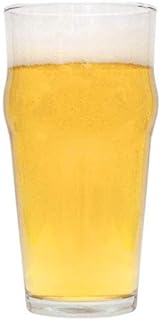


Brewing Process: The brewing process involves malting, mashing, boiling, fermenting, conditioning, and packaging, regardless of the grain used
The brewing process is a complex and fascinating series of steps that transforms raw ingredients into the final beer product. Regardless of whether wheat is used, the core stages remain consistent: malting, mashing, boiling, fermenting, conditioning, and packaging. Each of these steps plays a crucial role in developing the beer's flavor, aroma, and overall quality.
Malting is the first step, where grains such as barley or wheat are soaked in water and allowed to germinate. This process activates enzymes that break down the starches in the grain into fermentable sugars. The malted grain is then dried and roasted to varying degrees, which contributes to the beer's color and flavor profile.
Mashing involves mixing the malted grain with hot water in a mash tun. This step further breaks down the starches into sugars and creates a thick, porridge-like mixture known as wort. The temperature and duration of the mash are carefully controlled to optimize sugar extraction and minimize unwanted compounds.
Boiling is a critical step where the wort is heated to a high temperature, typically around 212°F (100°C). This process sterilizes the wort, kills any remaining enzymes, and allows for the addition of hops, which contribute bitterness, aroma, and flavor to the beer. The boiling time and hop additions are carefully managed to achieve the desired balance of flavors.
Fermentation is the process where yeast is added to the cooled wort, and it consumes the sugars, producing alcohol and carbon dioxide as byproducts. This step can take anywhere from a few days to several weeks, depending on the type of yeast and the desired beer style. Fermentation temperature is closely monitored to ensure optimal yeast activity and flavor development.
Conditioning, also known as aging, is a period where the beer is allowed to mature and develop its flavors. This can occur in tanks, barrels, or bottles, and the duration varies depending on the beer style. During conditioning, the beer may undergo secondary fermentation, which can add complexity and depth to the flavor profile.
Finally, packaging involves transferring the finished beer into bottles, cans, or kegs for distribution and consumption. This step must be done carefully to avoid contamination and ensure that the beer maintains its quality until it reaches the consumer.
In conclusion, the brewing process is a meticulous and intricate series of steps that requires careful attention to detail and a deep understanding of the ingredients and equipment involved. Whether wheat is used or not, each stage of the process contributes to the final beer's character and quality, making brewing both an art and a science.
Exploring New Glarus Brews: The Wheat Beer Conundrum
You may want to see also
Frequently asked questions
Yes, many types of beer are made from wheat. Wheat beers, such as Hefeweizens and Witbiers, use wheat as a primary ingredient, which gives them a unique flavor and cloudy appearance.
Besides wheat, barley is the most common grain used in beer production. Other grains like rye, oats, and corn can also be used, either alone or in combination with barley and wheat, to create different styles and flavors of beer.
The use of wheat in beer can contribute to a lighter, more refreshing taste with notes of bread, nuts, or fruit. Wheat beers often have a cloudy appearance due to the presence of wheat proteins and yeast, and they can have a smoother, creamier texture compared to beers made primarily from barley.
Yes, there are gluten-free beer options available for those with wheat allergies or celiac disease. These beers are typically made from alternative grains like rice, sorghum, or millet, and they undergo a process to remove or reduce the gluten content. However, it's important to note that not all wheat-free beers are gluten-free, so it's essential to check the labels and ingredients before consuming.