Beatrix Montes
When it comes to enjoying a pint of Guinness, one of the most iconic aspects is the creamy, velvety head of foam that sits atop the rich, dark beer. This foam, often referred to as the head, is not just for show; it plays a crucial role in enhancing the overall drinking experience. The nitrogen bubbles that create this luxurious foam contribute to the beer's smooth texture and help to release the complex aromas that Guinness is known for. So, when asked whether you want foam with your Guinness, it's not just a matter of preference—it's an invitation to fully immerse yourself in the sensory delight that this legendary beer has to offer.
Explore related products


What You'll Learn
- Foam Preference: Some enjoy the creamy head, while others prefer their Guinness without foam
- Pouring Technique: The method of pouring can influence the amount and quality of foam produced
- Beer Texture: Foam can affect the mouthfeel and overall drinking experience of a Guinness
- Aesthetic Appeal: The visual presentation of a foamy Guinness can enhance its appeal to drinkers
- Cultural Practices: In some regions, foam is considered an essential part of a properly served Guinness

Foam Preference: Some enjoy the creamy head, while others prefer their Guinness without foam
The debate over foam on a Guinness beer is as old as the brew itself. For some, the creamy, velvety head is an essential part of the Guinness experience, adding a luxurious texture and enhancing the overall flavor profile. Others, however, prefer their pint without the frothy top, citing reasons ranging from personal taste to the belief that foam diminishes the beer's authenticity.
From a sensory perspective, the foam on a Guinness plays a crucial role. The nitrogen used to pour Guinness creates a smooth, creamy head that can influence the drinker's perception of the beer's body and mouthfeel. Some argue that the foam adds a layer of richness and complexity, making each sip more indulgent. On the other hand, foam detractors might contend that the head masks the true flavor of the beer or that it's simply a matter of personal preference.
Culturally, the foam on a Guinness has significant implications. In Ireland, where Guinness originated, the proper pouring of a pint—complete with a perfect head of foam—is considered an art form. Bartenders are trained to achieve the ideal balance between the beer and its creamy topping. However, in other parts of the world, particularly in the United States, some drinkers might view the foam as an unnecessary addition, preferring a cleaner, more straightforward beer-drinking experience.
Ultimately, the choice to have foam with a Guinness comes down to individual taste. While some may see it as an integral component of the beer, others might regard it as an optional extra. Whether you're a fan of the creamy head or prefer your Guinness foam-free, there's no denying that this dark stout has a rich history and a dedicated following around the world.
Exploring the Richness: What Style of Beer is Guinness?
You may want to see also
Explore related products


Pouring Technique: The method of pouring can influence the amount and quality of foam produced
The pouring technique is a crucial factor in determining the amount and quality of foam produced when serving a Guinness beer. A proper pour can enhance the drinking experience by creating a rich, creamy head that complements the beer's flavor profile. To achieve the perfect pour, start by holding the glass at a 45-degree angle and gently tipping the bottle to let the beer flow smoothly down the side of the glass. This method helps to reduce the amount of air that gets trapped in the beer, resulting in a denser, more velvety foam.
As the glass fills, gradually straighten it to allow the foam to settle and form a thick, even layer on top of the beer. It's important to pour slowly and steadily, as rushing the process can cause the foam to become frothy and dissipate quickly. Additionally, make sure to leave some space at the top of the glass for the foam to expand without overflowing. The ideal foam head should be about one to two centimeters thick, providing a luxurious texture and enhancing the beer's aroma.
One common mistake to avoid is pouring the beer directly into the center of the glass, as this can create a lot of turbulence and result in a foamy, unstable head. Another tip is to use a clean glass, as any residue or oils can interfere with the foam's formation. By mastering the pouring technique, you can elevate your Guinness beer experience and enjoy the perfect balance of flavor and texture.
Exploring Hawaii's Beer Scene: Is Guinness on Tap?
You may want to see also
Explore related products



Beer Texture: Foam can affect the mouthfeel and overall drinking experience of a Guinness
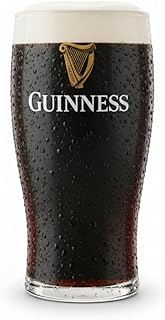
The texture of beer, particularly the foam, plays a crucial role in the mouthfeel and overall drinking experience of a Guinness. The creamy, velvety head that forms on top of a well-poured Guinness is not just for show; it contributes significantly to the beer's sensory appeal. The foam acts as a cushion, providing a smooth and rich mouthfeel that enhances the beer's flavor profile. It also helps to release the beer's aromas, allowing the drinker to fully appreciate the complex scents of roasted malt, coffee, and chocolate that are characteristic of a Guinness.
Achieving the perfect foam texture requires a combination of factors, including the quality of the beer, the cleanliness of the glass, and the pouring technique. A clean glass is essential to prevent any residue from interfering with the formation of the foam. The pouring technique should involve a gentle, steady stream of beer to create a thick, creamy head. The angle at which the beer is poured can also affect the texture of the foam; pouring the beer down the side of the glass at a 45-degree angle can help to create a more uniform and stable head.
The foam on a Guinness should be dense and creamy, with a consistency that is often described as "velvety." This texture is achieved through the use of nitrogen gas, which is added to the beer during the pouring process. Nitrogen bubbles are smaller and more stable than carbon dioxide bubbles, resulting in a smoother and more consistent foam. The ideal foam height for a Guinness is about one to two inches, which allows for a good balance between the beer and the foam.
In addition to enhancing the mouthfeel and aroma, the foam on a Guinness also plays a role in the beer's presentation. A well-formed head can make the beer more visually appealing, adding to the overall drinking experience. The foam should be uniform in color, with a light tan hue that complements the dark color of the beer. Any inconsistencies in the foam's appearance, such as large bubbles or a watery texture, can indicate that the beer has been improperly poured or that the glass is not clean.
In conclusion, the foam on a Guinness is an essential component of the beer's texture and overall drinking experience. It contributes to the mouthfeel, aroma, and presentation of the beer, making it a key factor in determining the quality of the drink. By understanding the importance of foam texture and the techniques used to achieve it, beer enthusiasts can better appreciate the nuances of a well-poured Guinness.
Exploring the Perfect Pairings: What Goes Best with Guinness Beer?
You may want to see also
Explore related products


Aesthetic Appeal: The visual presentation of a foamy Guinness can enhance its appeal to drinkers
The visual presentation of a foamy Guinness can significantly enhance its appeal to drinkers, tapping into both psychological and sensory aspects of the drinking experience. The rich, creamy head of foam that crowns a well-poured Guinness is not just a sign of quality; it's an integral part of the beer's identity and allure. This aesthetic element plays a crucial role in creating an inviting and indulgent atmosphere, making the beer more enticing to both seasoned enthusiasts and casual drinkers.
From a psychological perspective, the foam adds a sense of luxury and craftsmanship to the beer. It suggests that care and attention have been put into the pouring process, elevating the drink from a mere beverage to an experience. The visual appeal of the foam can also trigger anticipation and excitement, as drinkers associate it with the rich flavors and smooth texture that Guinness is known for. This sensory expectation can enhance the overall enjoyment of the beer, as the mind prepares the palate for the impending taste sensation.
Moreover, the foam serves a practical purpose by releasing the beer's aromas, which are a key component of its flavor profile. As the foam settles, it allows the drinker to appreciate the complex scents of roasted malt, coffee, and chocolate that are characteristic of Guinness. This olfactory experience adds depth to the beer's taste, making it more satisfying and immersive.
In addition, the visual presentation of the foam can influence social perceptions and interactions. A well-poured Guinness with a perfect head of foam is often seen as a sign of sophistication and connoisseurship. It can spark conversations and admiration among fellow drinkers, creating a sense of community and shared appreciation for the art of beer pouring. This social aspect can enhance the overall drinking experience, making it more enjoyable and memorable.
In conclusion, the aesthetic appeal of a foamy Guinness is not just about looks; it's about creating a multi-sensory experience that engages the drinker on various levels. From the psychological anticipation to the practical release of aromas, and the social interactions it fosters, the foam is an essential element that elevates the humble pint of Guinness into a celebrated and cherished beverage.
Exploring the Richness: How Strong is Guinness Beer?
You may want to see also
Explore related products




Cultural Practices: In some regions, foam is considered an essential part of a properly served Guinness
In Ireland, where Guinness was first brewed, the creamy head is not just a preference but a cultural staple. The foam, known locally as the "head," is considered an essential component of the beer-drinking experience. It's not merely about aesthetics; the head affects the aroma and mouthfeel of the beer, enhancing its rich, roasted flavors. In traditional Irish pubs, a Guinness is poured with a generous head, and patrons often wait for it to settle before taking their first sip, appreciating the craftsmanship that goes into creating the perfect pour.
Across the Atlantic, in the United States, the preference for foam on a Guinness can vary widely. In some regions, particularly those with a strong Irish-American heritage, the foam is cherished similarly to its status in Ireland. However, in other areas, the trend leans towards a flatter pour, with some bars even advertising "Guinness without the foam" to cater to local tastes. This variation highlights the adaptability of Guinness as a brand and the diverse preferences of its global consumer base.
In other parts of the world, such as Australia and parts of Asia, the foam on a Guinness is often seen as a novelty. In these regions, where Guinness is not as deeply ingrained in the local culture, the foam can be a point of curiosity and excitement. Bartenders in these areas might take extra care to ensure the perfect pour, complete with a velvety head, to impress patrons who are less familiar with the beer's traditions.
The presence or absence of foam can also have practical implications. For instance, in some bars, the foam is seen as a way to make a pint of Guinness last longer, as the head can take up a significant portion of the glass. This practice can be particularly prevalent in areas where Guinness is a premium product, and patrons are looking to savor their drink over a longer period.
Ultimately, the cultural significance of foam on a Guinness reflects the beer's rich history and its ability to adapt to different tastes and traditions around the world. Whether it's cherished as a cultural icon, seen as a novelty, or simply appreciated for its effect on the beer's flavor, the foam remains an integral part of the Guinness experience for many.
Exploring the Caffeine Content in Guinness Beer: Facts and Myths
You may want to see also
Frequently asked questions
Yes, I would like foam with my Guinness beer. The creamy head is a signature characteristic of a well-poured Guinness, enhancing both its appearance and taste.
The foam, or head, on a Guinness beer contributes to its overall flavor profile by adding a smooth, creamy texture that complements the rich, roasted malt taste. It also helps to release the beer's aromas, enhancing the sensory experience.
To achieve the perfect amount of foam when pouring a Guinness beer, hold the glass at a 45-degree angle and pour the beer slowly down the side. As the glass fills, gradually tilt it upright. This technique allows the beer to settle gently, creating a thick, creamy head without excessive agitation.
Yes, it is normal and desirable for a Guinness beer to have a substantial amount of foam. The beer's unique nitrogen infusion process, combined with its specific pouring technique, results in the iconic creamy head that Guinness is known for. This foam not only adds to the beer's visual appeal but also enhances its taste and mouthfeel.