Beatrix Montes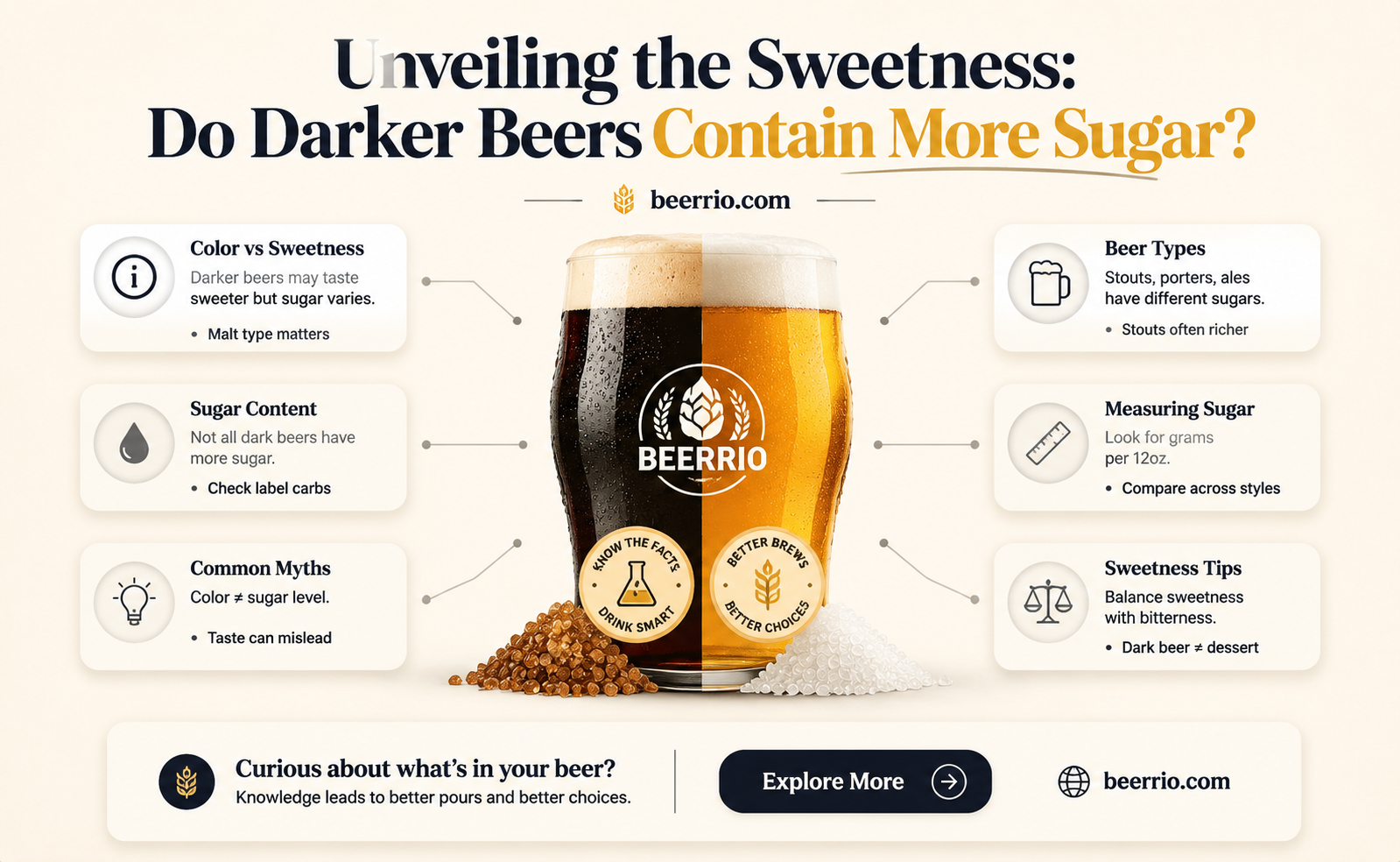
The question of whether darker beers contain more sugar is a common one among beer enthusiasts and those curious about the nutritional content of their beverages. Darker beers, such as stouts and porters, are known for their rich, robust flavors and deep colors, which can sometimes lead to the misconception that they are sweeter or contain more sugar than lighter beers. However, the color of a beer is primarily determined by the type and amount of malt used in the brewing process, not by its sugar content. In fact, many darker beers have a lower sugar content than their lighter counterparts due to the higher alcohol content and the use of certain brewing techniques. To fully understand the relationship between beer color and sugar content, it's essential to delve into the brewing process and the factors that influence a beer's flavor profile.
| Characteristics | Values |
|---|---|
| Beer Color | Darker beers, such as stouts and porters, have a deep brown to black color due to the roasting of malted barley. |
| Sugar Content | Generally, darker beers do not have more sugar than lighter beers. The perception of sweetness can be influenced by the roasting process, which adds flavors that can be mistaken for sweetness. |
| Flavor Profile | Darker beers often have rich, complex flavors including notes of chocolate, coffee, caramel, and dark fruit. These flavors come from the roasted malt and sometimes from added ingredients like cocoa or coffee. |
| Alcohol Content | Darker beers can range widely in alcohol content, from about 4% ABV (Alcohol By Volume) in some porters to over 10% ABV in strong stouts and imperial stouts. |
| Brewing Process | The brewing process for darker beers involves roasting the malted barley to varying degrees. The longer and hotter the roast, the darker and more flavorful the beer will be. |
| Body and Mouthfeel | Darker beers tend to have a fuller body and a creamier mouthfeel compared to lighter beers. This is due to the higher protein content from the roasted malt and sometimes from the addition of oats or other grains. |
| Bitterness | The bitterness in darker beers can vary. Some stouts and porters are quite bitter, balancing the sweetness of the malt, while others are less bitter and more focused on the malt flavors. |
| Aromas | Aromas of darker beers can include roasted malt, chocolate, coffee, caramel, and dark fruits. These aromas are often more pronounced due to the higher concentration of flavor compounds from the roasting process. |
| Serving Temperature | Darker beers are typically served at cooler temperatures than lighter beers, usually between 50-55°F (10-13°C), to enhance their rich flavors and aromas. |
| Food Pairings | Darker beers pair well with rich, hearty foods such as stews, roasts, chocolate desserts, and strong cheeses. The robust flavors of the beer complement the bold flavors of these dishes. |
Explore related products




What You'll Learn
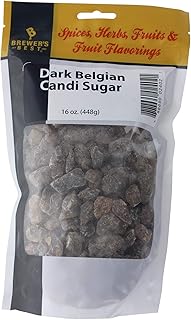
- Sugar Content Comparison: Analyzing the sugar levels in dark beers versus lighter beers
- Brewing Process: How the brewing process affects sugar content in darker beers
- Types of Darker Beers: Exploring various types of darker beers and their sugar content
- Health Implications: Discussing the potential health effects of consuming darker beers with higher sugar content
- Taste and Texture: Examining how sugar content influences the taste and mouthfeel of darker beers

Sugar Content Comparison: Analyzing the sugar levels in dark beers versus lighter beers
Dark beers, such as stouts and porters, are often perceived to be sweeter than their lighter counterparts. However, this perception can be misleading. The color of beer is primarily determined by the type and amount of malt used in the brewing process, not by its sugar content. Darker malts, like roasted barley and chocolate malt, contribute to the deep hues and rich flavors of dark beers, but they do not necessarily indicate higher sugar levels.
To accurately compare the sugar content of dark and light beers, one must look beyond the color and examine the brewing process and ingredients used. Some dark beers may indeed have higher sugar content due to the addition of adjuncts like corn or rice, which are sometimes used to lighten the body and add sweetness. However, many craft dark beers are brewed with a focus on complex flavors derived from the malt and hops, rather than added sugars.
In contrast, lighter beers, such as lagers and pilsners, are typically brewed with a higher proportion of lighter malts, like pilsner malt and pale ale malt, which contribute to their golden hues and crisp flavors. These beers may have lower sugar content overall, but they can still be sweet if adjuncts are used or if the brewing process is designed to retain more residual sugars.
A detailed analysis of the sugar content in various dark and light beers would require laboratory testing to measure the actual sugar levels. However, based on typical brewing practices, it is not accurate to generalize that darker beers have more sugar than lighter beers. The sweetness of a beer is influenced by a multitude of factors, including the type and amount of malt, the use of adjuncts, and the brewing techniques employed.
In conclusion, while dark beers may be perceived as sweeter due to their rich flavors and deep colors, the actual sugar content can vary widely depending on the specific brewing process and ingredients used. A thorough comparison of sugar levels in dark and light beers would reveal that there is no clear-cut answer to whether one type of beer is sweeter than the other. Instead, it is the combination of ingredients and brewing techniques that ultimately determines the sugar content and flavor profile of a beer.
Unveiling the Truth: Do Cider Beers Really Contain a Lot of Sugar?
You may want to see also
Explore related products
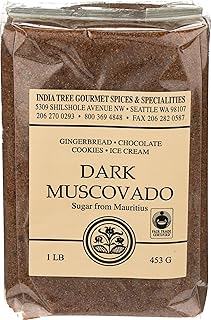


Brewing Process: How the brewing process affects sugar content in darker beers
The brewing process plays a crucial role in determining the sugar content of darker beers. During brewing, sugars are derived from the malted grains, which are the primary source of fermentable sugars. The roasting process, which gives darker beers their characteristic color and flavor, can also impact the sugar content. As grains are roasted, some of the sugars caramelize, contributing to the beer's color and residual sweetness. However, excessive roasting can lead to a decrease in fermentable sugars, as they are converted into non-fermentable compounds.
The mashing process is another key factor in sugar content. Mashing involves mixing the malted grains with hot water to convert the starches into sugars. The temperature and duration of the mash can significantly affect the amount and type of sugars extracted. For darker beers, a higher mash temperature is often used to enhance the extraction of fermentable sugars, which can result in a higher sugar content in the final product.
Fermentation also plays a role in the sugar content of darker beers. Yeast consumes the fermentable sugars during fermentation, producing alcohol and carbon dioxide. However, not all sugars are fermented, and the residual sugars contribute to the beer's sweetness and body. Darker beers often have a higher residual sugar content due to the use of specialty malts and the specific fermentation processes employed.
In addition to the brewing process, the choice of ingredients can also impact the sugar content of darker beers. Specialty malts, such as caramel and chocolate malts, contain higher levels of fermentable sugars and can contribute to a sweeter final product. The use of adjuncts, such as corn or rice, can also increase the sugar content, as these ingredients are often added to boost the fermentable sugar levels.
Overall, the brewing process, including the roasting, mashing, and fermentation steps, as well as the choice of ingredients, all contribute to the sugar content of darker beers. Brewers carefully control these factors to achieve the desired balance of sweetness, body, and flavor in their final product.
Unveiling the Truth: Is Beer Really High in Sugar?
You may want to see also
Explore related products


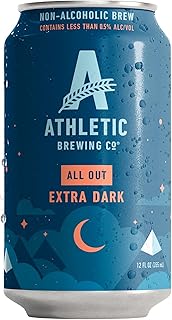


Types of Darker Beers: Exploring various types of darker beers and their sugar content
Darker beers, such as stouts and porters, are often perceived to be sweeter than their lighter counterparts. This perception is largely due to the presence of roasted malts, which contribute not only to the beer's color but also to its flavor profile. Roasted malts can impart notes of chocolate, coffee, and caramel, all of which are associated with sweetness. However, the actual sugar content in these beers can vary significantly depending on the brewing process and the specific type of darker beer.
One common misconception is that darker beers inherently contain more sugar. While it's true that some darker beers, like imperial stouts and barley wines, can have higher sugar content due to their brewing process, this is not a universal truth. Many darker beers, such as dry stouts and porters, are brewed to have a balanced sweetness level that is comparable to lighter beers. The key factor in determining the sugar content of a beer is not its color but rather the type of malts used and the brewing technique employed.
For instance, stouts can range from very dry to extremely sweet. A dry stout, such as an Irish stout, typically has a lower sugar content and a more bitter profile, while an imperial stout can be quite sweet due to the higher malt content and longer brewing time. Similarly, porters can vary from light and crisp to rich and sweet. The sugar content in these beers is influenced by factors such as the malt bill, the fermentation process, and the addition of adjuncts like lactose or molasses.
Another important consideration is the perception of sweetness in beer. The human palate is sensitive to the balance between sweetness and bitterness, and the presence of roasted malts can enhance the perception of sweetness even if the actual sugar content is not high. This is why some beers with a lower sugar content can still taste sweet to the drinker.
In conclusion, while darker beers are often associated with higher sugar content, this is not always the case. The actual sugar content can vary widely depending on the specific type of beer and the brewing process. It's important for beer enthusiasts to understand that color is not a reliable indicator of sweetness and that the perception of sweetness can be influenced by a variety of factors beyond just sugar content.
Unveiling the Sweetness: A Deep Dive into Dark Beer's Sugar Content
You may want to see also
Explore related products


Health Implications: Discussing the potential health effects of consuming darker beers with higher sugar content
Consuming darker beers with higher sugar content can have several health implications. One of the primary concerns is the increased calorie intake, which can contribute to weight gain and obesity if consumed in excess. Darker beers, such as stouts and porters, often contain more sugars and carbohydrates than lighter beers, which can lead to a higher glycemic index and potentially cause blood sugar spikes.
Another health concern is the impact on dental health. The higher sugar content in darker beers can contribute to tooth decay and cavities, especially if proper oral hygiene practices are not followed. Additionally, the acidity in some darker beers can erode tooth enamel, further increasing the risk of dental problems.
Furthermore, excessive consumption of sugary beers can increase the risk of developing type 2 diabetes. The body's pancreas produces insulin to regulate blood sugar levels, and consistently high sugar intake can lead to insulin resistance, a precursor to diabetes. It is essential to moderate beer consumption and maintain a balanced diet to mitigate this risk.
Moreover, darker beers with higher sugar content may also affect liver health. The liver processes alcohol and sugar, and excessive consumption can lead to fatty liver disease and other liver-related issues. It is crucial to drink responsibly and be aware of the potential risks associated with high sugar and alcohol intake.
In conclusion, while enjoying darker beers with higher sugar content can be a pleasurable experience, it is essential to be mindful of the potential health implications. Moderation, proper oral hygiene, and maintaining a balanced diet are key factors in minimizing the risks associated with consuming these types of beers.
Unveiling the Sweetness: Sugar Content in Your Favorite Beers
You may want to see also
Explore related products

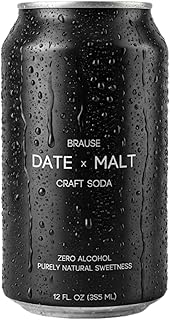
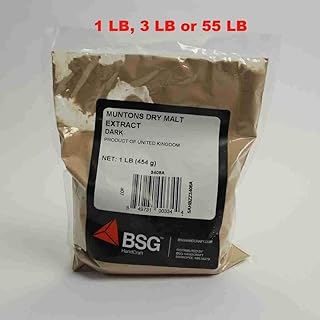
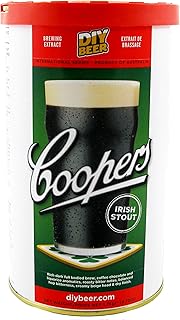


Taste and Texture: Examining how sugar content influences the taste and mouthfeel of darker beers
The taste and texture of darker beers are significantly influenced by their sugar content. Sugars not only contribute to the sweetness but also affect the body and mouthfeel of the beer. In darker beers, such as stouts and porters, the sugar content can be higher, which often results in a richer, fuller-bodied taste. This is because the sugars are converted into alcohol and carbon dioxide during fermentation, but some residual sugars can remain, adding to the beer's complexity.
One of the key ways sugar influences taste is through its impact on the beer's sweetness. Darker beers often have a higher malt content, which can contribute to a sweeter flavor profile. The sugars in the malt are broken down during the brewing process, releasing fermentable sugars that yeast can consume. This process not only produces alcohol but also leaves behind some residual sugars, which can enhance the beer's sweetness and depth of flavor.
In addition to sweetness, sugar content can also affect the beer's mouthfeel. Beers with higher sugar content tend to have a smoother, creamier texture. This is because the sugars can act as a lubricant, reducing the friction between the beer and the palate. The result is a more velvety, luxurious mouthfeel that can be particularly appealing in darker beers.
However, it's important to note that not all darker beers have high sugar content. Some brewers may use alternative ingredients or brewing techniques to achieve a similar taste and texture without relying heavily on sugars. For example, some stouts and porters are brewed with roasted malts, which can impart a rich, chocolatey flavor without adding significant sweetness.
In conclusion, the sugar content in darker beers plays a crucial role in shaping their taste and texture. While higher sugar content can contribute to a richer, sweeter flavor and a smoother mouthfeel, it's not the only factor at play. Brewers have a variety of tools at their disposal to craft darker beers with complex, nuanced flavors and textures, and sugar is just one piece of the puzzle.
The Impact of Beer on Blood Sugar Levels: A Comprehensive Guide
You may want to see also
Frequently asked questions
Darker beers, such as stouts and porters, often have a higher sugar content compared to lighter beers like lagers and pilsners. This is because darker beers typically use more malted barley, which contributes to both the color and the sugar content of the beer.
The brewing process for darker beers involves a longer mashing time and a higher temperature, which allows for more complex sugars to be extracted from the malted barley. Additionally, some darker beers may undergo a secondary fermentation, which can further increase the sugar content.
While darker beers do contain more sugar than lighter beers, the health implications are generally minimal when consumed in moderation. The sugar content in beer is typically not a significant contributor to overall sugar intake in a balanced diet. However, individuals with diabetes or those monitoring their sugar intake should be mindful of their consumption.
Yes, the difference in sugar content can be tasted. Darker beers often have a richer, sweeter flavor profile due to the higher sugar content, while lighter beers tend to have a crisper, more refreshing taste with less sweetness.
Yes, there are exceptions. Some brewing techniques and recipes can result in darker beers with lower sugar content. For example, certain types of dark lagers or schwarzbiers may have a lower sugar content than some lighter ales. Additionally, the use of alternative sweeteners or sugar substitutes in brewing can also affect the sugar content of darker beers.