Oisin Foster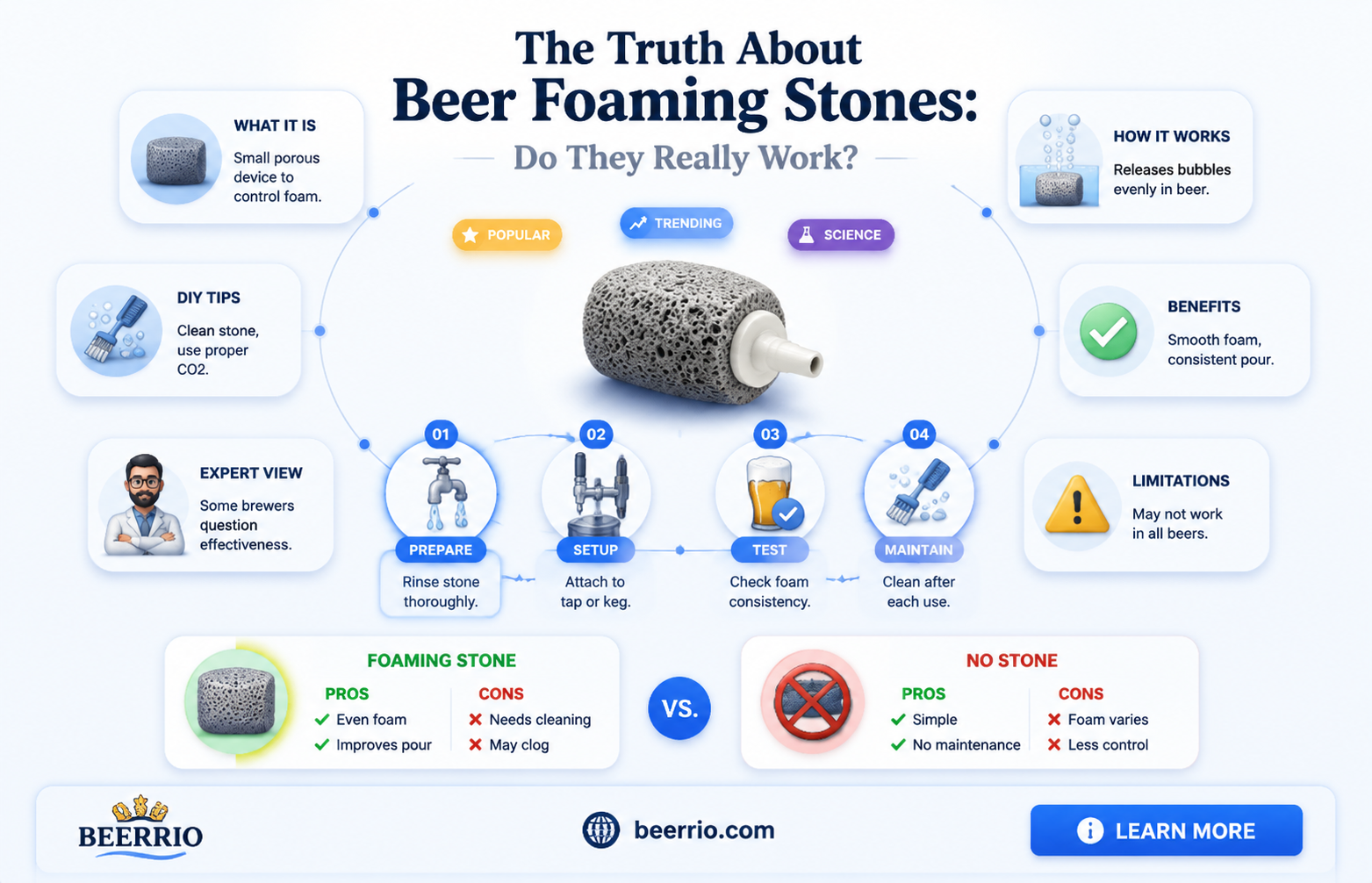
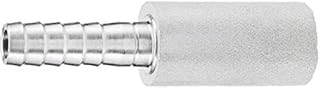
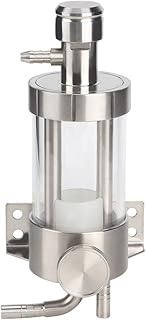
Beer foaming stones, also known as beer stones or foam nucleators, are small, porous objects that are placed in a beer glass to enhance the formation and retention of foam. These stones work by providing a surface for the beer's proteins and other compounds to adhere to, which helps to create a more stable and long-lasting head. The porous structure of the stone increases the surface area available for these compounds to bind, promoting the formation of smaller, more uniform bubbles that are less likely to burst. This results in a denser, creamier foam that can improve the overall drinking experience by enhancing the aroma and mouthfeel of the beer.
Explore related products


What You'll Learn

What are beer foaming stones?
Beer foaming stones are small, porous ceramic or stone objects designed to enhance the foaming process of beer when poured into a glass. These stones work by providing a nucleation site for carbon dioxide bubbles to form, which in turn creates a more consistent and creamy head on the beer. The porous nature of the stones allows them to absorb some of the beer, which then releases carbon dioxide as it comes into contact with the air, further promoting the formation of foam.
One of the key benefits of using beer foaming stones is that they can help to improve the presentation of the beer, making it more visually appealing. A well-formed head not only looks attractive but also helps to release the beer's aroma, enhancing the overall drinking experience. Additionally, the stones can help to maintain the head for a longer period, which is particularly beneficial for beers that are prone to losing their foam quickly.
To use beer foaming stones effectively, it's important to follow a few simple steps. First, the stones should be cleaned and sanitized before use to prevent any contamination of the beer. Next, the stones can be placed in the bottom of the glass before pouring the beer. As the beer is poured, the carbon dioxide released from the stones will help to create a more consistent and creamy head. Finally, the stones can be removed from the glass once the beer has been poured, or they can be left in to continue promoting foam formation.
It's worth noting that beer foaming stones are not a magic solution and may not work equally well with all types of beer. Beers with lower carbonation levels or those that are more viscous may not benefit as much from the use of foaming stones. However, for many beer enthusiasts, these stones can be a useful tool in enhancing the overall drinking experience.
In conclusion, beer foaming stones are a simple yet effective way to improve the presentation and aroma of beer. By providing a nucleation site for carbon dioxide bubbles, these stones can help to create a more consistent and creamy head, enhancing the visual appeal and overall enjoyment of the beer. While they may not work with all types of beer, they can be a valuable addition to any beer enthusiast's toolkit.
Exploring the Compatibility of Antibiotics and Beer for UTI Treatment
You may want to see also
Explore related products



How do beer foaming stones work?
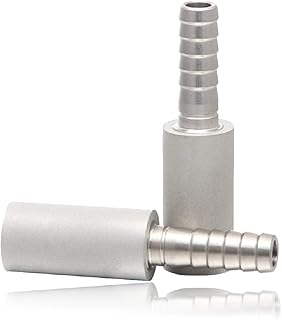
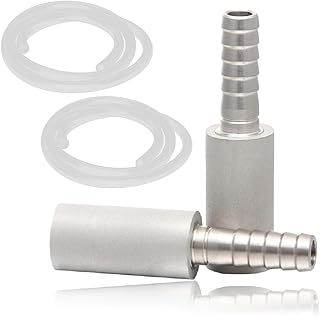
Beer foaming stones, also known as beer stones or foam nucleators, are small, porous objects made from materials like ceramic, wood, or metal. They are designed to be placed in a beer glass before pouring the beer, with the intention of enhancing the beer's head and improving its overall presentation. But how do these stones actually work?
The primary function of a beer foaming stone is to provide a nucleation site for the formation of foam bubbles. When beer is poured into a glass, it undergoes a process called nucleation, where dissolved carbon dioxide gas comes out of solution and forms bubbles. These bubbles rise to the surface and create the beer's head. The presence of a foaming stone in the glass provides additional nucleation sites, which can lead to a more rapid and uniform formation of foam bubbles.
One of the key benefits of using a beer foaming stone is that it can help to create a more stable and long-lasting head on the beer. This is because the stone's porous surface allows for a greater number of bubbles to form and adhere to the stone, which in turn helps to maintain the beer's head over time. Additionally, the use of a foaming stone can also help to improve the beer's aroma and flavor, as the enhanced head allows for a greater release of volatile compounds.
To use a beer foaming stone, simply place it in the bottom of a clean beer glass before pouring the beer. It is important to ensure that the stone is clean and free of any debris or oils, as these can negatively impact the beer's taste and aroma. Some beer enthusiasts also recommend wetting the stone with water before use, as this can help to improve its effectiveness.
In conclusion, beer foaming stones can be a useful tool for enhancing the presentation and enjoyment of beer. By providing additional nucleation sites for foam formation, these stones can help to create a more stable and long-lasting head, which in turn can improve the beer's aroma and flavor.
Exploring the Surprising Connection: Beer's Potential Laxative Effects
You may want to see also
Explore related products




Benefits of using beer foaming stones
Beer foaming stones have gained popularity among beer enthusiasts for their ability to enhance the drinking experience. One of the primary benefits of using these stones is the improved head retention they provide. The porous structure of the stones allows for a more stable and consistent foam, which not only looks appealing but also helps to release the beer's aromas more effectively. This can significantly enhance the olfactory experience, allowing drinkers to fully appreciate the complex scents of their beer.
Another advantage of beer foaming stones is their reusability. Unlike traditional methods of creating foam, such as using a shaker or a specialized glass, foaming stones can be used repeatedly without losing their effectiveness. This makes them a cost-effective and environmentally friendly option for beer lovers who want to elevate their drinking experience without generating waste.
Foaming stones also offer a level of customization that other methods do not. By adjusting the size and shape of the stone, as well as the technique used to create the foam, drinkers can achieve a variety of textures and consistencies. This allows for a more personalized drinking experience, tailored to the individual's preferences.
In addition to these benefits, beer foaming stones can also help to improve the taste of the beer. The enhanced foam created by the stones can lead to a more even distribution of flavors, as the foam acts as a vehicle for the beer's taste compounds. This can result in a more balanced and enjoyable drinking experience.
Overall, beer foaming stones offer a range of benefits that can significantly enhance the beer drinking experience. From improved head retention and aroma release to reusability and customization, these stones provide a unique and effective way for beer enthusiasts to enjoy their favorite brews.
Exploring the Quirky World of Bazooka Tubes for Beer Storage
You may want to see also
Explore related products


Types of beer foaming stones
Beer foaming stones, also known as beer stones or foam stones, are porous ceramic or stone objects designed to enhance the foaming process of beer. They work by providing a nucleation site for carbon dioxide bubbles to form, which in turn creates a more consistent and creamy head on the beer. There are several types of beer foaming stones available on the market, each with its own unique characteristics and benefits.
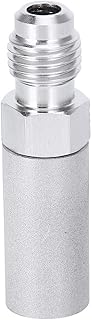
One type of beer foaming stone is the traditional ceramic stone. These stones are typically made from a high-fired ceramic material and have a rough, porous surface that encourages bubble formation. Ceramic stones are durable and can be used repeatedly, making them a popular choice among beer enthusiasts. Another type of beer foaming stone is the stainless steel stone. These stones are made from food-grade stainless steel and have a smooth, polished surface with small perforations that allow for bubble formation. Stainless steel stones are easy to clean and maintain, and they are also dishwasher safe.
A third type of beer foaming stone is the silicone stone. These stones are made from a flexible, food-grade silicone material and have a unique, textured surface that promotes bubble formation. Silicone stones are lightweight and portable, making them a great option for outdoor activities or travel. They are also easy to clean and can be used in the dishwasher.
When using a beer foaming stone, it is important to properly prepare the stone before adding it to the beer. This typically involves soaking the stone in water for a few minutes to ensure that it is fully saturated. Once the stone is saturated, it can be added to the beer glass or keg, where it will help to create a more consistent and creamy head on the beer.
In conclusion, beer foaming stones are a useful tool for enhancing the foaming process of beer. They come in a variety of materials and designs, each with its own unique benefits and characteristics. By choosing the right type of beer foaming stone and using it properly, beer enthusiasts can enjoy a more consistent and creamy head on their favorite brews.
Exploring the Myth: Do Beer Enemas Really Work?
You may want to see also
Explore related products


Do beer foaming stones really make a difference?
The efficacy of beer foaming stones is a topic of debate among beer enthusiasts and connoisseurs. These stones, typically made from porous materials like ceramic or wood, are designed to enhance the beer's head by providing a nucleation site for carbon dioxide bubbles to form. But do they really make a difference?
From a scientific perspective, the answer is yes. The porous surface of the stone increases the surface area available for bubble formation, which can lead to a more consistent and stable foam head. This is particularly beneficial for beers that are prone to flatness or have a weak head retention. The stone can also help to release volatile aroma compounds, enhancing the beer's olfactory profile.
However, the practical application of beer foaming stones is where the debate gets more nuanced. Some argue that the stones can impart a slight flavor to the beer, especially if they are not properly cleaned and maintained. Others claim that the stones can be a breeding ground for bacteria, which could potentially spoil the beer. Additionally, the stones may not be effective for all types of beers, particularly those with high levels of carbonation or certain types of yeast that produce a naturally frothy head.
In terms of usage, there are specific guidelines to follow to maximize the effectiveness of a beer foaming stone. The stone should be soaked in water for a few minutes before use to ensure it is fully saturated. It should then be placed in the bottom of the glass before pouring the beer, allowing the bubbles to nucleate and form a stable head. The stone should be cleaned and sanitized regularly to prevent any potential contamination.
Ultimately, whether or not a beer foaming stone makes a difference comes down to personal preference and the specific beer being served. For some, the stone may enhance the overall drinking experience by providing a more consistent and aromatic head. For others, the potential risks and maintenance requirements may outweigh the benefits. As with many aspects of beer enjoyment, experimentation and individual taste are key factors in determining the value of a beer foaming stone.
Sipping Success: The Pros and Cons of a Pre-Work Beer
You may want to see also
Frequently asked questions
A beer foaming stone is a small, porous stone that is placed in a beer glass to enhance the beer's head and aroma. It works by providing a nucleation site for the carbon dioxide in the beer to form bubbles, which creates a thicker, creamier head and releases more of the beer's aromatic compounds.
Beer foaming stones are most effective for beers that are high in carbonation and have a low to moderate level of bitterness, such as lagers, pilsners, and wheat beers. They may not be as effective for beers with low carbonation or high bitterness, such as stouts, porters, and IPAs.
To use a beer foaming stone, simply place it in the bottom of your beer glass before pouring in the beer. The stone will help to nucleate the carbon dioxide in the beer, creating a thicker, creamier head and enhancing the aroma.
Beer foaming stones do not have a direct impact on the taste of the beer, but they can enhance the overall drinking experience by creating a thicker, creamier head and releasing more of the beer's aromatic compounds. This can make the beer more enjoyable to drink and can help to bring out its full flavor profile.