Arabella Franco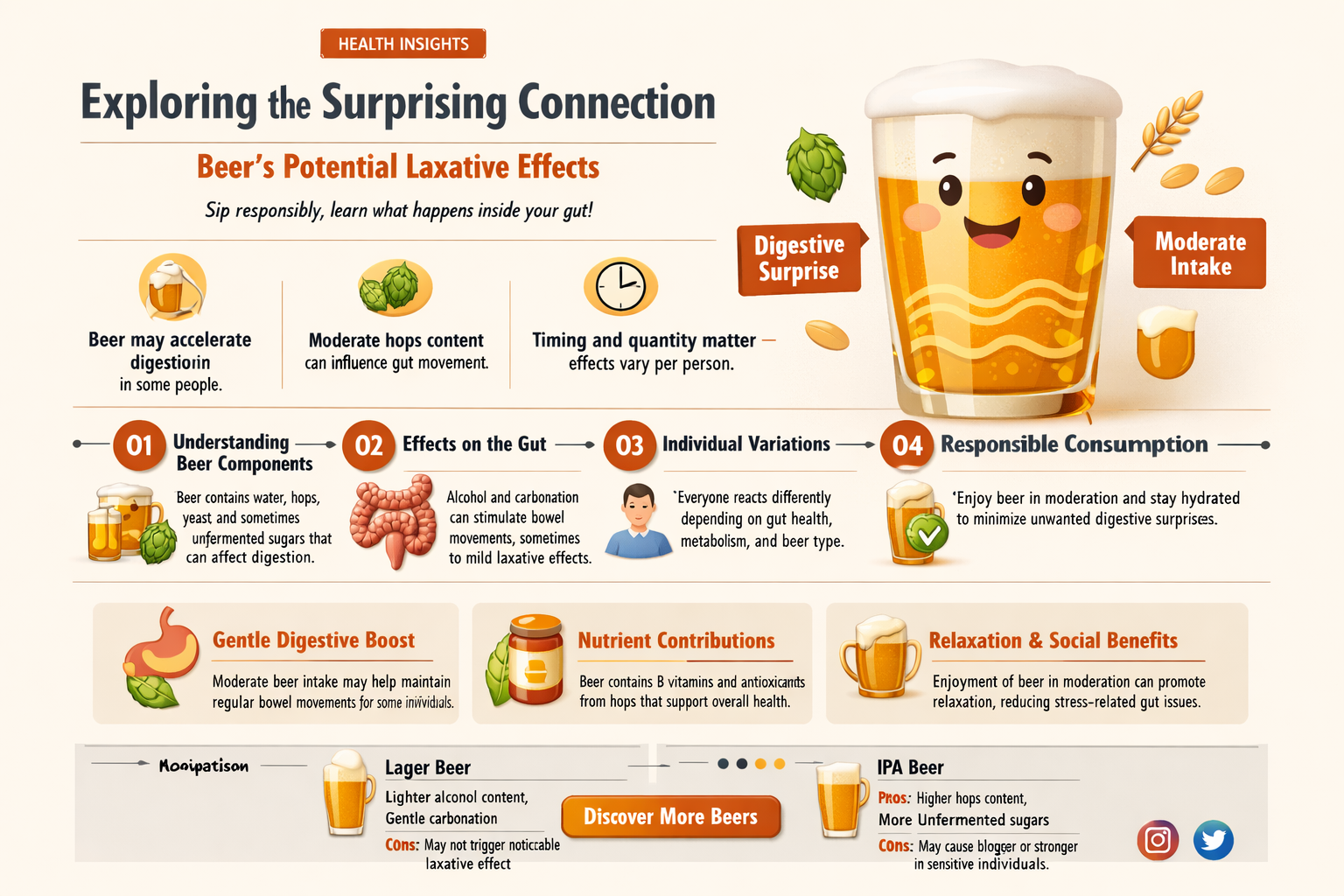
The question of whether beer works as a laxative is a common one, often discussed in casual settings and online forums. While some individuals may swear by beer's ability to aid digestion, the scientific evidence on this topic is not entirely conclusive. Beer contains a variety of compounds, including alcohol, which can have different effects on the digestive system depending on the individual and the amount consumed. Some studies suggest that moderate alcohol intake may stimulate bowel movements, while others indicate that excessive consumption can lead to digestive issues. Therefore, it's essential to approach this topic with a nuanced understanding of the potential benefits and drawbacks of using beer as a digestive aid.
Explore related products





What You'll Learn

Does beer work as a laxative?
Beer is often consumed socially and in moderation, but some individuals may wonder about its potential effects on digestion, particularly whether it can act as a laxative. The answer to this question is not straightforward, as the effects of beer on bowel movements can vary depending on several factors, including the type of beer, the amount consumed, and the individual's overall health and digestive system.
One factor to consider is the carbonation in beer. Carbonated beverages can sometimes lead to bloating and gas, which may put pressure on the intestines and potentially stimulate bowel movements. However, this effect is generally more pronounced with other carbonated drinks like soda or sparkling water, and beer's lower carbonation levels may not have a significant impact on digestion for most people.
Another consideration is the alcohol content of beer. Alcohol can have a dehydrating effect on the body, which may lead to harder stools and constipation in some individuals. On the other hand, moderate alcohol consumption has been associated with a reduced risk of certain gastrointestinal issues, such as inflammatory bowel disease. It's important to note that these effects are generally observed with moderate consumption, and excessive alcohol intake can have detrimental effects on overall health, including digestive health.
Some types of beer, particularly those with higher fiber content, such as certain dark beers or beers brewed with whole grains, may have a mild laxative effect due to their fiber content. Fiber helps to bulk up stools and promote regular bowel movements. However, the fiber content in beer is generally not high enough to have a significant impact on digestion.
In conclusion, while beer may have some effects on digestion, its impact as a laxative is likely to be minimal for most individuals. The effects of beer on bowel movements can vary depending on factors such as carbonation, alcohol content, and fiber content, as well as the individual's overall health and digestive system. As with any dietary or lifestyle choice, it's important to consider the potential effects on digestion and overall health, and to consume beer in moderation as part of a balanced diet.
Chill or Spill? The Truth About Beer Koozies' Cooling Claims
You may want to see also
How does beer affect digestion?
Beer's impact on digestion is a complex interplay of its various components. The carbonation in beer can lead to the release of gas in the stomach, potentially causing bloating and discomfort. However, this effect can vary greatly among individuals, with some experiencing relief from mild digestive issues due to the carbonation.
One of the key factors in beer's potential laxative effects is its alcohol content. Alcohol can stimulate the muscles in the digestive tract, leading to increased peristalsis and potentially speeding up the digestive process. This can result in a laxative effect, particularly if consumed in large quantities. However, it's important to note that excessive alcohol consumption can also lead to dehydration, which can counteract any potential laxative effects.
The hops used in beer brewing contain compounds that have been shown to have anti-inflammatory properties. These compounds, such as humulone and lupulone, may help to soothe the digestive tract and reduce inflammation, which can be beneficial for individuals with conditions like irritable bowel syndrome (IBS).
Additionally, beer contains dietary fiber, albeit in small amounts. This fiber can help to bulk up stool and promote regular bowel movements. However, the amount of fiber in beer is generally not significant enough to have a pronounced laxative effect.
It's also worth considering the individual's overall diet and lifestyle when assessing the impact of beer on digestion. For example, a person who consumes a high-fiber diet and engages in regular physical activity may experience different digestive effects from beer compared to someone with a low-fiber diet and sedentary lifestyle.
In conclusion, while beer may have some potential laxative effects due to its alcohol content and other components, its impact on digestion can vary greatly among individuals. It's important to consume beer in moderation and be aware of its potential effects on digestive health.
What are the ingredients in beer?
Beer is primarily composed of water, malted barley, hops, and yeast. These ingredients undergo a fermentation process, where the yeast converts the sugars in the malt into alcohol and carbon dioxide. The combination of these ingredients not only gives beer its flavor and aroma but also contributes to its potential effects on the body, including its laxative properties.
The malted barley in beer contains dietary fiber, which can aid in digestion and promote bowel movements. Additionally, the fermentation process produces carbon dioxide, which can lead to bloating and gas. Some individuals may find that consuming beer helps to relieve constipation due to these factors. However, it is important to note that excessive alcohol consumption can have negative effects on the digestive system and overall health.
Hops, another key ingredient in beer, have been traditionally used for their medicinal properties, including their potential to aid digestion. They contain compounds called alpha-acids, which may help to stimulate the digestive system and promote bowel movements. However, more research is needed to fully understand the effects of hops on digestion and their potential use as a laxative.
Yeast, the microorganism responsible for fermentation, also plays a role in the potential laxative effects of beer. Some types of yeast, such as Saccharomyces boulardii, are known to have probiotic properties and can aid in digestion. However, the yeast in beer is typically killed during the brewing process, so its probiotic effects may be limited.
In conclusion, while beer may have some ingredients that could potentially aid in digestion and promote bowel movements, it is important to consume it in moderation and be aware of its potential negative effects on health. If you are experiencing constipation or other digestive issues, it is always best to consult with a healthcare professional for personalized advice and treatment options.
Does alcohol act as a laxative?
Alcohol, including beer, can indeed have a laxative effect on the body. This is primarily due to its ability to increase the motility of the gastrointestinal tract, which can lead to more frequent bowel movements. However, it's important to note that this effect can vary greatly from person to person, depending on factors such as tolerance, overall health, and the amount of alcohol consumed.
One of the reasons alcohol can act as a laxative is because it can irritate the lining of the intestines, causing them to contract more frequently. This increased contraction can lead to a faster movement of waste through the digestive system, resulting in a laxative effect. Additionally, alcohol can interfere with the absorption of nutrients and water in the intestines, which can also contribute to loose stools.
It's also worth noting that different types of alcoholic beverages can have varying effects on the digestive system. For example, beer, which is typically high in carbohydrates, may have a more pronounced laxative effect than spirits, which are lower in carbohydrates. However, the specific impact of beer on the digestive system can depend on factors such as the type of beer, the brewing process, and the individual's sensitivity to its ingredients.
While some people may experience a laxative effect from alcohol, it's important to remember that alcohol can also have negative impacts on the digestive system. Chronic alcohol consumption can lead to a range of gastrointestinal problems, including gastritis, ulcers, and liver disease. Therefore, it's crucial to consume alcohol in moderation and to be aware of its potential effects on the body.
In conclusion, alcohol, including beer, can act as a laxative due to its effects on the gastrointestinal tract. However, the specific impact of alcohol on the digestive system can vary greatly from person to person and depends on a range of factors, including the type and amount of alcohol consumed, as well as the individual's overall health and tolerance. While some people may experience a laxative effect from alcohol, it's important to be aware of its potential negative impacts on the digestive system and to consume it in moderation.
Are there any health risks associated with using beer as a laxative?
While beer may have some laxative effects due to its alcohol content, using it as a laxative poses several health risks. One of the primary concerns is the potential for dehydration. Alcohol is a diuretic, which means it increases urine production and can lead to a loss of fluids and electrolytes. This can be particularly dangerous for individuals who are already dehydrated or have conditions that predispose them to dehydration, such as kidney disease or heart failure.
Another risk associated with using beer as a laxative is the potential for alcohol dependence. Regularly consuming alcohol to induce bowel movements can lead to a physical dependence on alcohol, which can have serious consequences for both physical and mental health. Additionally, alcohol can interfere with the absorption of nutrients and medications, which can exacerbate underlying health conditions and lead to new health problems.
It is also important to consider the calorie content of beer. Consuming large amounts of beer in an attempt to relieve constipation can lead to weight gain and other health issues related to excessive alcohol consumption. Furthermore, beer contains histamines and sulfites, which can trigger allergic reactions in some individuals and contribute to digestive issues.
In conclusion, while beer may have some laxative effects, using it as a laxative is not recommended due to the potential health risks. It is important to address constipation through dietary changes, increased fluid intake, and, if necessary, medical intervention. If you are experiencing persistent constipation, it is advisable to consult with a healthcare professional to determine the underlying cause and develop an appropriate treatment plan.
Frequently asked questions
While some people may experience a laxative effect from drinking beer, it is not a reliable or recommended method for relieving constipation. The alcohol in beer can cause dehydration, which may lead to harder stools and worsen constipation in the long run.
Using beer as a laxative can lead to several potential side effects, including dehydration, electrolyte imbalances, and increased risk of developing a dependency on alcohol. Additionally, excessive alcohol consumption can damage the digestive system and exacerbate constipation.
Yes, there are several natural remedies for constipation that are more effective and safer than using beer. These include increasing fiber intake, staying hydrated, exercising regularly, and trying herbal supplements like senna or psyllium husk.
If you experience persistent or severe constipation, it is important to see a doctor. Other symptoms that warrant medical attention include blood in your stool, abdominal pain, or unexplained weight loss. Your doctor can help determine the underlying cause of your constipation and recommend appropriate treatment options.