Harmony Chandler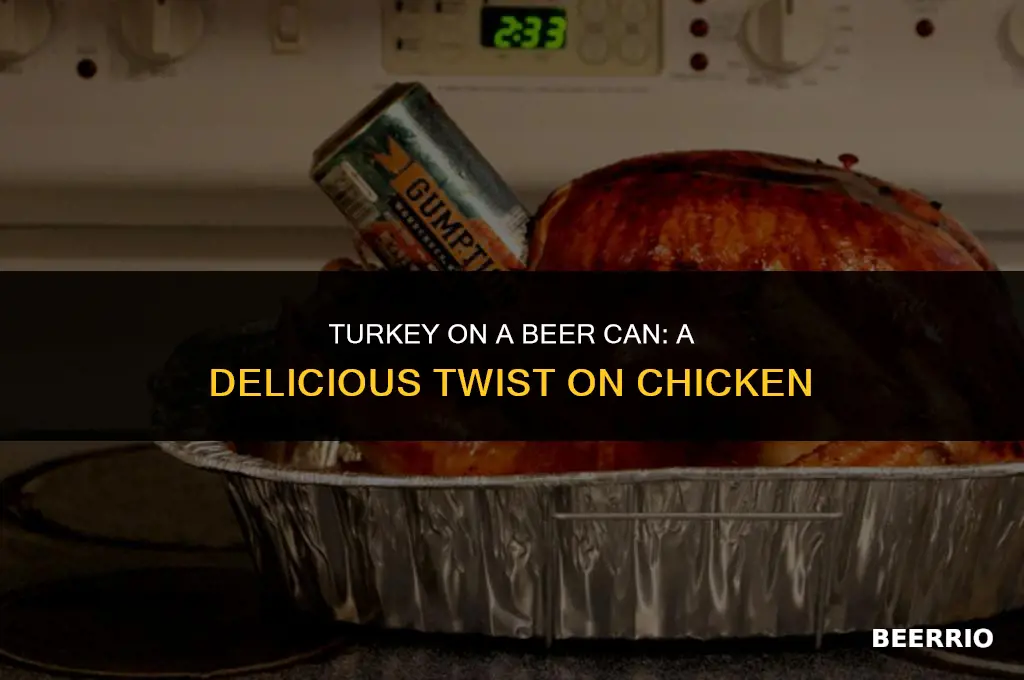
When it comes to innovative cooking methods, beer can chicken has become a popular choice for its unique flavor infusion and moist results. Traditionally made with a whole chicken perched atop an open can of beer, this technique allows the beer to steam the chicken from the inside out, creating a juicy and flavorful dish. However, for those looking to switch things up or cater to different dietary preferences, the question arises: can I put a turkey on a beer can chicken? The answer is yes, with some considerations. Using a turkey breast or smaller turkey parts can be a great alternative, but it's important to adjust cooking times and temperatures accordingly due to the differences in meat density and size. Additionally, ensuring the turkey is properly secured on the beer can and monitoring the cooking process closely will help achieve the same delicious results as with chicken.
Explore related products


What You'll Learn
- Cooking Methods: Explore various techniques for preparing a turkey using a beer can, including roasting and grilling
- Flavor Profiles: Discover how different beer types can influence the taste of your beer can turkey, from lagers to ales
- Safety Considerations: Learn about the precautions to take when cooking a turkey on a beer can to ensure food safety
- Nutritional Information: Understand the nutritional benefits and drawbacks of cooking a turkey with beer compared to other methods
- Cultural Significance: Examine the cultural origins and popularity of beer can chicken recipes and their adaptation for turkey

Cooking Methods: Explore various techniques for preparing a turkey using a beer can, including roasting and grilling
One innovative approach to cooking a turkey is using a beer can, a method popularized for chicken but also applicable to larger poultry. This technique involves placing the turkey on top of a beer can, which is then positioned on a grill or in an oven. The beer can serves as a heat conductor and a basting mechanism, infusing the turkey with moisture and flavor as it cooks.
For roasting, preheat the oven to 325°F (165°C). Season the turkey as desired, then place it on top of a beer can that has been partially filled with beer. The can should be positioned in a roasting pan to catch any drippings. Roast the turkey for approximately 20 minutes per pound, or until the internal temperature reaches 165°F (75°C) in the thickest part of the breast. Basting the turkey with the pan juices every 30 minutes will help keep it moist and enhance the flavor.
Grilling a turkey on a beer can requires a bit more finesse. Preheat the grill to medium heat, around 350°F (175°C). Place the beer can on the grill and allow it to heat up for a few minutes. Then, carefully place the seasoned turkey on top of the can. Close the grill lid and cook for about 15-20 minutes per pound, or until the internal temperature reaches 165°F (75°C). It's important to monitor the temperature closely, as grilling can cook the turkey more quickly than roasting. Basting with the beer can juices every 15 minutes will help maintain moisture and add a smoky flavor.
In both methods, the beer can not only helps to cook the turkey evenly but also adds a unique flavor profile. The type of beer used can significantly impact the taste, so it's recommended to choose a beer that complements the seasonings used on the turkey. For example, a light lager or pilsner can work well with a simple salt and pepper seasoning, while a darker ale or stout can enhance more robust flavors like garlic and herbs.
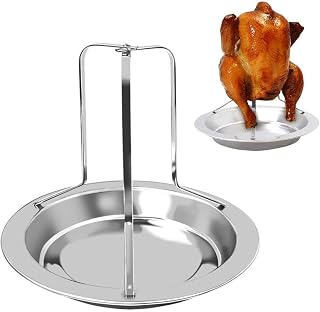
When using a beer can to cook a turkey, it's essential to ensure that the can is stable and won't tip over during the cooking process. This can be achieved by using a larger can or by placing the can in a holder designed for beer can chicken. Additionally, it's important to let the turkey rest for a few minutes after cooking to allow the juices to redistribute, resulting in a more tender and flavorful meal.
Septic Tank Safety: The Do's and Don'ts of Pouring Beer Down the Sink
You may want to see also
Explore related products
![Meykers Beer Can Chicken Stand [New Upgraded] for Grill Smoker Oven | Vertical Beer Butt Chicken Holder Roaster | Made of 304 Stainless Steel Dishwasher Safe | BBQ Rack Barbeque Accessories (1 Pack)](https://m.media-amazon.com/images/I/81EDtRugKzL._AC_UL320_.jpg)




Flavor Profiles: Discover how different beer types can influence the taste of your beer can turkey, from lagers to ales
The choice of beer can significantly impact the flavor profile of your beer can turkey. Lagers, known for their crisp and clean taste, will impart a subtle, refreshing flavor to the turkey without overpowering its natural taste. This makes lagers an excellent choice for those who prefer a lighter, more delicate flavor enhancement. On the other hand, ales, with their richer and more complex flavor profiles, can add depth and character to the turkey. Ales often have fruity, malty, or hoppy notes that can complement the savory flavors of the turkey, creating a more robust and satisfying dish.
When selecting a beer for your beer can turkey, consider the specific flavor notes you want to achieve. For example, if you're aiming for a citrusy, refreshing taste, a pale ale or a wheat beer might be the perfect choice. These beers typically have bright, zesty flavors that can enhance the turkey's taste without overwhelming it. Alternatively, if you prefer a more traditional, hearty flavor, a stout or a porter could be an excellent option. These darker beers have rich, roasted malt flavors that can add depth and complexity to the turkey, making it a perfect dish for colder weather or special occasions.
It's also important to consider the bitterness level of the beer you choose. Beers with high bitterness levels, such as IPAs, can add a pleasant contrast to the richness of the turkey, cutting through the fat and enhancing the overall flavor balance. However, if you prefer a milder taste, opt for beers with lower bitterness levels, such as lagers or light ales. These beers will provide a more subtle flavor enhancement without overpowering the turkey's natural taste.
In conclusion, the type of beer you choose for your beer can turkey can greatly influence the final flavor profile of the dish. By selecting a beer that complements the turkey's taste and considering factors such as flavor notes and bitterness levels, you can create a delicious and unique beer can turkey that's sure to impress.
Exploring the Effects of Using Regular Sugar for Priming Beer
You may want to see also
Explore related products


Safety Considerations: Learn about the precautions to take when cooking a turkey on a beer can to ensure food safety
Cooking a turkey on a beer can, while a creative and flavorful method, requires careful attention to food safety to prevent any potential health risks. One of the primary concerns is ensuring that the turkey reaches a safe internal temperature throughout the cooking process. This is crucial to kill any harmful bacteria, such as Salmonella, that may be present in the raw poultry.
To achieve this, it's essential to use a meat thermometer to check the internal temperature of the turkey in multiple spots, including the thickest part of the breast, the innermost part of the thigh, and the inner part of the wing. The turkey should reach a minimum internal temperature of 165°F (74°C) to be considered safe to eat. Additionally, the beer can itself should be placed on a heat-resistant surface to prevent any accidental fires or burns.
Another safety consideration is the proper handling and storage of the raw turkey before cooking. It's important to keep the raw turkey refrigerated at a temperature below 40°F (4°C) until it's ready to be cooked. When handling the raw turkey, it's crucial to wash your hands thoroughly with soap and warm water for at least 20 seconds to prevent cross-contamination.
Furthermore, it's important to note that cooking a turkey on a beer can may result in uneven cooking, as the heat distribution can be affected by the shape and size of the can. To mitigate this risk, it's recommended to rotate the turkey periodically during the cooking process to ensure even cooking. Additionally, it's crucial to let the turkey rest for at least 20 minutes after cooking to allow the juices to redistribute, which can also help to ensure that the turkey is cooked evenly throughout.
In conclusion, while cooking a turkey on a beer can can be a delicious and unique way to prepare poultry, it's essential to follow proper food safety guidelines to prevent any potential health risks. By ensuring that the turkey reaches a safe internal temperature, handling and storing the raw turkey properly, and taking precautions to prevent uneven cooking, you can enjoy a safe and flavorful meal.
Hops for Growth: The Surprising Benefits of Beer for Your Garden
You may want to see also
Explore related products


Nutritional Information: Understand the nutritional benefits and drawbacks of cooking a turkey with beer compared to other methods
Cooking a turkey with beer, often referred to as "beer can chicken" or "beer can turkey," involves placing a turkey over a can of beer and roasting it. This method imparts a unique flavor to the turkey and can result in a moist and tender final product. However, it's essential to understand the nutritional implications of this cooking method compared to others.
One of the primary benefits of cooking a turkey with beer is the added flavor without significant additional calories. Beer contains very few calories per ounce, and when used in cooking, it can enhance the taste of the turkey without drastically increasing the overall caloric content. Additionally, beer can help tenderize the meat, potentially reducing the need for additional fats or oils during the cooking process.
On the other hand, there are some drawbacks to consider. Beer contains alcohol, which can be a concern for those who avoid alcohol for dietary or personal reasons. While most of the alcohol evaporates during cooking, trace amounts may remain. Furthermore, the sodium content in beer can contribute to the overall sodium intake, which is a consideration for those monitoring their salt consumption.
Compared to other cooking methods, such as roasting or grilling, cooking a turkey with beer can offer a unique flavor profile and potentially a more tender texture. However, it's crucial to balance these benefits with the potential drawbacks, especially concerning alcohol and sodium content. As with any cooking method, moderation and awareness of individual dietary needs are key.
In summary, cooking a turkey with beer can provide a flavorful and tender result with minimal additional calories. However, it's important to be mindful of the alcohol and sodium content, and to consider individual dietary preferences and restrictions. By understanding these factors, one can make an informed decision about whether this cooking method is suitable for their needs.
Delivering Cheers: The Ins and Outs of Postmates Beer Delivery
You may want to see also
Explore related products


Cultural Significance: Examine the cultural origins and popularity of beer can chicken recipes and their adaptation for turkey
The concept of beer can chicken, where a whole chicken is roasted on a beer can, has deep cultural roots and has become a popular cooking method in various parts of the world. This technique is believed to have originated in the Southern United States, where it was initially used as a way to infuse the chicken with flavor while keeping it moist during the roasting process. The beer can acts as a heat conductor and a flavor enhancer, resulting in a juicy and flavorful chicken.
Over time, the popularity of beer can chicken has spread beyond the United States, with many countries adapting the recipe to suit their local tastes and ingredients. In some cultures, the beer can is replaced with other beverages, such as wine or soda, while in others, the chicken is seasoned with local spices and herbs. The adaptability of the recipe has made it a favorite among home cooks and professional chefs alike.
The adaptation of beer can chicken for turkey is a natural progression, as both birds are commonly roasted and share similar cooking times and temperatures. Using a turkey in place of a chicken in a beer can recipe can result in a delicious and unique twist on a classic dish. The larger size of the turkey requires some adjustments to the cooking time and temperature, but the basic principles of the recipe remain the same.
When preparing a beer can turkey, it is important to choose a turkey that is the appropriate size for the beer can and the roasting pan. A larger turkey may require a taller beer can or a specialized roasting stand to ensure that it cooks evenly. Additionally, the turkey should be seasoned generously to enhance its flavor and compensate for the larger amount of meat.
In conclusion, the cultural significance of beer can chicken and its adaptation for turkey lies in its versatility and ability to bring people together through shared culinary experiences. By examining the origins and popularity of this cooking method, we can gain a deeper appreciation for the creativity and innovation that goes into adapting recipes to suit different cultures and tastes.
Reviving Yeast: Can You Pitch Yeast 2 Days After Brewing Beer?
You may want to see also
Frequently asked questions
While it's unconventional, you can use a turkey for beer can chicken. However, due to the turkey's larger size, you'll need to adjust the cooking time and possibly use a larger can to ensure even cooking.
The choice of beer can influence the flavor of the chicken. Lighter beers like lagers or pilsners are commonly used because they don't overpower the chicken's natural flavors. However, you can experiment with other types of beer to suit your taste preferences.
To prepare the turkey, you'll need to thaw it completely if it's frozen. Then, pat it dry and season it with your preferred herbs and spices. Insert the beer can into the cavity of the turkey, ensuring it's stable.
Preheat your oven to 375°F (190°C). Place the turkey with the beer can on a roasting pan and cook for approximately 20 minutes per pound, or until the internal temperature reaches 165°F (74°C). Let it rest for 10-15 minutes before carving.
One safety concern is ensuring the turkey is cooked thoroughly, as undercooked poultry can pose health risks. Use a meat thermometer to check the internal temperature. Additionally, be cautious when handling the hot beer can after cooking, as it can cause burns.