Lucy Palmer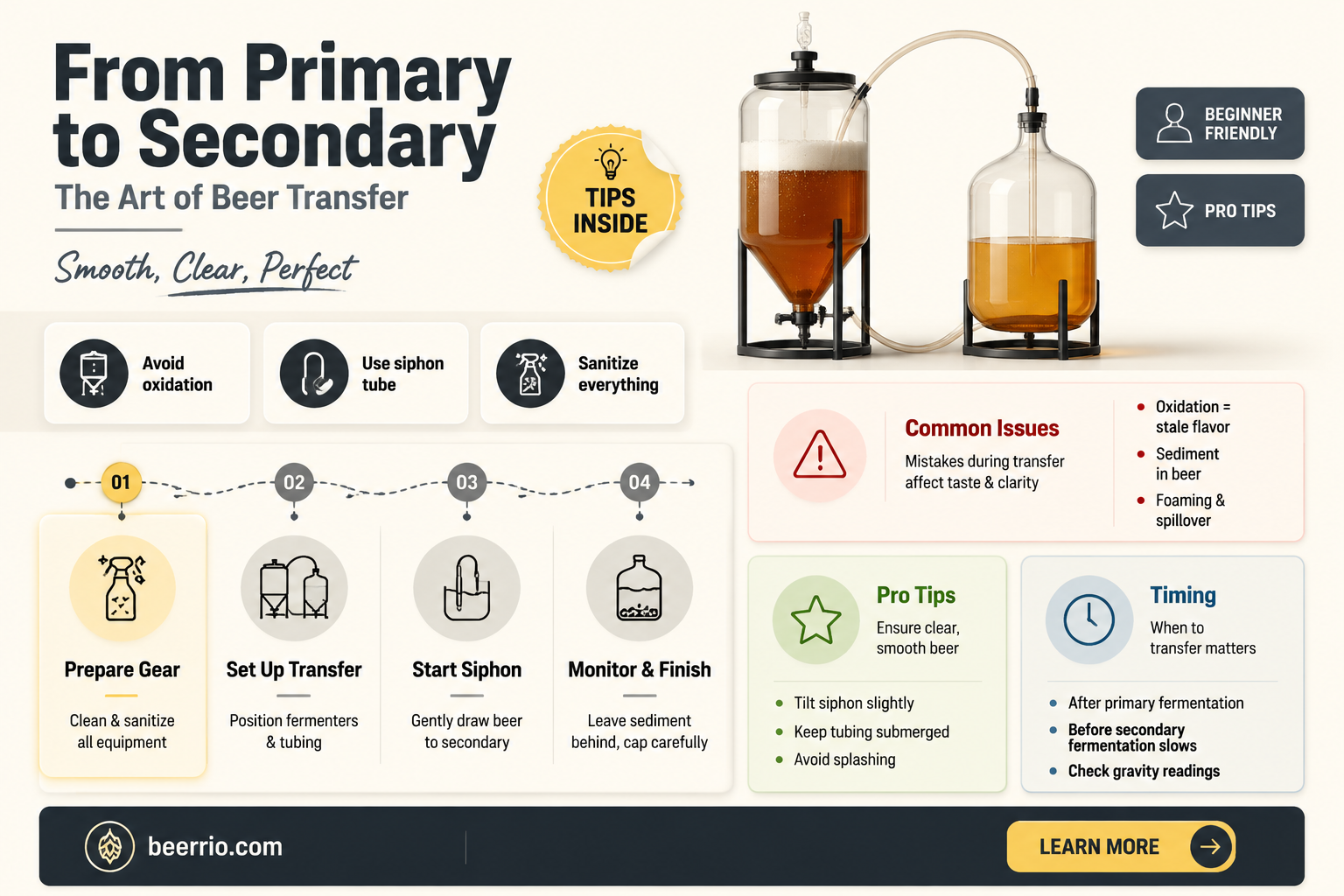
When it comes to homebrewing beer, one common question that arises is whether it's possible to pour beer from the primary fermentation vessel to a secondary vessel. This process, known as racking, is indeed a standard practice in homebrewing. It involves transferring the beer from the primary fermenter, where the initial fermentation takes place, to a secondary fermenter or storage vessel. This step is typically done to separate the beer from the yeast sediment that has settled at the bottom of the primary fermenter, allowing for a clearer final product. Additionally, racking can help to prevent off-flavors that might develop if the beer were left in contact with the yeast for too long. However, it's important to note that this process should be done carefully to avoid introducing oxygen into the beer, which can lead to oxidation and spoilage.
Explore related products





What You'll Learn
- Primary vs. Secondary Fermentation: Understand the stages of beer fermentation and the role of each vessel
- Equipment Preparation: Ensure cleanliness and sanitize all equipment before transferring beer to prevent contamination
- Transfer Techniques: Learn the best methods for moving beer from primary to secondary fermenters without disturbing sediment
- Timing and Monitoring: Discover the optimal time for transfer and how to monitor the fermentation process post-transfer
- Common Mistakes to Avoid: Identify potential pitfalls during the transfer process that could affect beer quality

Primary vs. Secondary Fermentation: Understand the stages of beer fermentation and the role of each vessel
In the process of beer making, fermentation is a crucial stage that transforms the wort into beer. This process is typically divided into two stages: primary and secondary fermentation. Each stage plays a distinct role in the development of the beer's flavor, aroma, and clarity.
Primary fermentation is the initial stage where the wort is inoculated with yeast. This stage usually takes place in a large, open vessel, such as a carboy or a bucket. The yeast consumes the sugars in the wort, producing alcohol and carbon dioxide as byproducts. This stage is characterized by vigorous fermentation, where the yeast is highly active, and the beer undergoes significant changes in a short period. The primary fermentation typically lasts for 1-2 weeks, depending on the yeast strain and the recipe.
Secondary fermentation, on the other hand, is a more controlled and slower process. It usually takes place in a closed vessel, such as a keg or a bottle. The beer is transferred from the primary vessel to the secondary vessel, leaving behind the yeast sediment and other impurities. This stage allows the beer to mature and develop its final flavor profile. The secondary fermentation can last for several weeks to months, depending on the type of beer being made.
One of the main reasons for transferring beer from the primary to the secondary vessel is to separate the beer from the yeast sediment and other impurities. This helps to improve the clarity and stability of the beer. Additionally, the secondary fermentation allows for better control over the fermentation process, as the yeast activity can be more closely monitored and adjusted.
When transferring beer from the primary to the secondary vessel, it is important to minimize the amount of oxygen that comes into contact with the beer. Oxygen can cause the beer to oxidize, leading to off-flavors and aromas. To avoid this, the transfer should be done carefully, using a siphon or a racking cane to gently move the beer from one vessel to the other.
In conclusion, understanding the stages of beer fermentation and the role of each vessel is essential for making high-quality beer. The primary fermentation is a vigorous and transformative process, while the secondary fermentation is a more controlled and mature stage. By carefully managing the transfer between these two stages, brewers can improve the clarity, stability, and flavor of their beer.
Sipping on Crypto: Where to Find Bitcoin-Friendly Bars
You may want to see also
Explore related products


Equipment Preparation: Ensure cleanliness and sanitize all equipment before transferring beer to prevent contamination
Before transferring beer from the primary to the secondary fermenter, it is crucial to ensure that all equipment is thoroughly cleaned and sanitized. This step is often overlooked but is essential in preventing contamination that could spoil the beer. Cleaning involves removing any physical debris or residue from the equipment, while sanitizing refers to the process of killing bacteria, yeast, and other microorganisms that could interfere with the fermentation process.
One effective method for cleaning is to use a combination of hot water and a mild detergent. Scrub all surfaces of the fermenters, hoses, and other equipment with a soft brush to remove any buildup. Rinse thoroughly with clean water to ensure no detergent residue remains. For sanitizing, a solution of bleach and water can be used. Mix one tablespoon of unscented bleach per gallon of water, and soak the equipment for at least 10 minutes. Alternatively, a commercial sanitizer specifically designed for brewing can be used, following the manufacturer's instructions.
It is important to sanitize not only the fermenters but also any other equipment that will come into contact with the beer, such as hoses, clamps, and airlocks. Even small amounts of contamination can lead to off-flavors or spoilage, so it is worth taking the time to ensure everything is properly cleaned and sanitized.
After sanitizing, allow the equipment to air dry completely before use. This will help prevent any water spots or residual moisture that could harbor bacteria. It is also a good idea to inspect the equipment for any signs of wear or damage, as compromised equipment can lead to leaks or other issues during the transfer process.
In summary, proper equipment preparation is a critical step in the beer brewing process. By taking the time to clean and sanitize all equipment before transferring beer from the primary to the secondary fermenter, brewers can help ensure a successful and contamination-free fermentation.
Traveling with Brews: The Dos and Don'ts of Packing Canned Beer
You may want to see also
Explore related products


Transfer Techniques: Learn the best methods for moving beer from primary to secondary fermenters without disturbing sediment
One effective transfer technique is the use of a siphon. This method involves creating a vacuum to gently draw the beer from the primary fermenter into the secondary. To do this, you'll need a long tube, preferably one that's food-grade and heat-resistant. Insert one end of the tube into the secondary fermenter and the other end into the primary fermenter, making sure to avoid any sediment at the bottom. You can create a vacuum by either using a pump or by sucking on the tube (though the latter is less recommended due to potential contamination risks). Once the beer starts flowing, control the speed by adjusting the height difference between the fermenters or by pinching the tube to regulate the flow.
Another popular method is the "dry hop" technique, which involves adding hops to the secondary fermenter before transferring the beer. This not only helps to clarify the beer but also imparts additional flavor and aroma. To dry hop, simply add the desired amount of hops to the secondary fermenter and then transfer the beer using a siphon or other method. The beer should be left in contact with the hops for a period of time, typically a few days to a week, before bottling or further processing.
When transferring beer, it's crucial to minimize the disturbance of sediment, as this can lead to off-flavors and cloudiness in the final product. One way to achieve this is by using a racking cane, which is a long, curved tube designed to draw beer from the top of the primary fermenter, avoiding the sediment at the bottom. Another method is to use a filter or screen to trap any sediment as the beer is transferred. However, these methods should be used with caution, as they can also remove beneficial yeast and other particles that contribute to the beer's flavor and clarity.
In addition to these techniques, it's important to consider the timing of the transfer. Generally, it's best to transfer the beer when the primary fermentation is complete, as this will minimize the risk of disturbing sediment and will allow the beer to clarify more effectively in the secondary fermenter. However, the exact timing can vary depending on the specific recipe and fermentation conditions.
Finally, it's essential to maintain proper sanitation throughout the transfer process. This includes cleaning and sanitizing all equipment, such as the siphon, racking cane, and fermenters, to prevent contamination. It's also important to work in a clean environment and to minimize exposure to air, which can introduce unwanted bacteria and other contaminants. By following these guidelines and using the appropriate transfer techniques, you can ensure that your beer is transferred safely and effectively from the primary to the secondary fermenter.
Elevate Your BBQ: Porter Beer and Bratwurst Pairing Guide
You may want to see also
Explore related products


Timing and Monitoring: Discover the optimal time for transfer and how to monitor the fermentation process post-transfer
Determining the optimal time for transferring beer from the primary to the secondary fermenter is crucial for achieving the desired flavor and clarity. Generally, the transfer should occur once the majority of the fermentation has completed, which is typically indicated by a significant drop in airlock activity. However, it's also important to consider the specific type of beer being brewed, as different styles may require different transfer times. For example, lagers and pilsners often benefit from a longer primary fermentation period to develop their characteristic crispness, while ales may be transferred more quickly to preserve their fruity and aromatic qualities.
To monitor the fermentation process post-transfer, it's essential to maintain a consistent temperature and to observe the airlock activity closely. A steady, slow stream of bubbles indicates that fermentation is continuing as expected, while a sudden increase or decrease in activity could signal a problem. Additionally, it's a good practice to take gravity readings before and after the transfer to ensure that the beer has reached the desired level of attenuation. This will help to prevent over-fermentation, which can lead to off-flavors and an unbalanced final product.
Another key aspect of monitoring the fermentation process is to check for signs of contamination, such as off-odors or the presence of mold or bacteria. If any of these signs are detected, it's important to take immediate action to address the issue, which may involve discarding the contaminated batch or attempting to salvage it with the use of fining agents or additional yeast.
In terms of equipment, it's important to ensure that all tools and vessels used in the transfer process are properly sanitized to prevent contamination. This includes the secondary fermenter, airlock, and any hoses or tubes used to transfer the beer. Additionally, it's a good idea to have a backup plan in place in case of equipment failure or other unforeseen issues that may arise during the fermentation process.
Finally, patience is key when it comes to monitoring the fermentation process. It can take several weeks or even months for the beer to fully mature and develop its intended flavors and characteristics. Regular tasting and evaluation can help to determine when the beer has reached its peak and is ready for bottling or kegging. By carefully monitoring the fermentation process and taking the necessary precautions, brewers can ensure that their final product meets their expectations and is of the highest possible quality.
Exploring the Flexibility of Homebrewing: Can You Pause After Wort?
You may want to see also
Common Mistakes to Avoid: Identify potential pitfalls during the transfer process that could affect beer quality
One of the most critical mistakes to avoid during the beer transfer process is introducing oxygen, which can lead to oxidation and spoilage. This often occurs when the beer is splashed or agitated during the transfer, allowing air to mix with the liquid. To minimize this risk, it's essential to use a siphon or a racking cane to gently transfer the beer from the primary to the secondary fermenter, ensuring that the flow is smooth and controlled. Additionally, it's crucial to maintain a sealed environment throughout the process, using stoppers or airlocks to prevent any unwanted air from entering the system.
Another common pitfall is the improper handling of the yeast sediment. Disturbing the yeast cake at the bottom of the primary fermenter can release off-flavors and haze into the beer. To avoid this, it's important to carefully siphon the beer above the yeast sediment, leaving it undisturbed. If a secondary fermentation is desired, a small amount of yeast can be transferred along with the beer, but it should be done gently to avoid breaking up the yeast cells.
Temperature control is also a vital aspect of the transfer process. Fluctuations in temperature can stress the yeast and lead to off-flavors or incomplete fermentation. It's essential to keep the beer at a consistent temperature throughout the transfer and secondary fermentation, ideally within the optimal range for the specific yeast strain being used. This may require the use of a temperature-controlled environment or the addition of insulating materials around the fermenters.
Finally, it's crucial to maintain cleanliness and sanitation throughout the entire process. Any contamination can lead to spoilage or the introduction of unwanted bacteria or wild yeast. All equipment should be thoroughly cleaned and sanitized before use, and the transfer process should be carried out in a clean, dust-free environment. By following these guidelines and avoiding these common mistakes, homebrewers can ensure a successful transfer process and produce high-quality beer.
Delivering Cheers: The Ins and Outs of Postmates Beer Delivery
You may want to see also
Frequently asked questions
Yes, you can pour beer from primary to secondary fermentation vessels. This process is often done to separate the beer from sediment and to give it a clearer appearance.
Transferring beer from primary to secondary fermentation vessels has several benefits. It helps to clarify the beer by removing sediment, reduces the risk of oxidation, and allows for better temperature control during the fermentation process.
To transfer beer from primary to secondary fermentation vessels, you will need a siphon, a racking cane, and a secondary fermentation vessel. You may also want to use a thermometer to monitor the temperature of the beer during the transfer process.
To ensure that the transfer process is sanitary and does not contaminate the beer, it is important to clean and sanitize all equipment before use. This includes the siphon, racking cane, and secondary fermentation vessel. Additionally, it is important to minimize exposure to air during the transfer process to reduce the risk of oxidation and contamination.