Beatrix Montes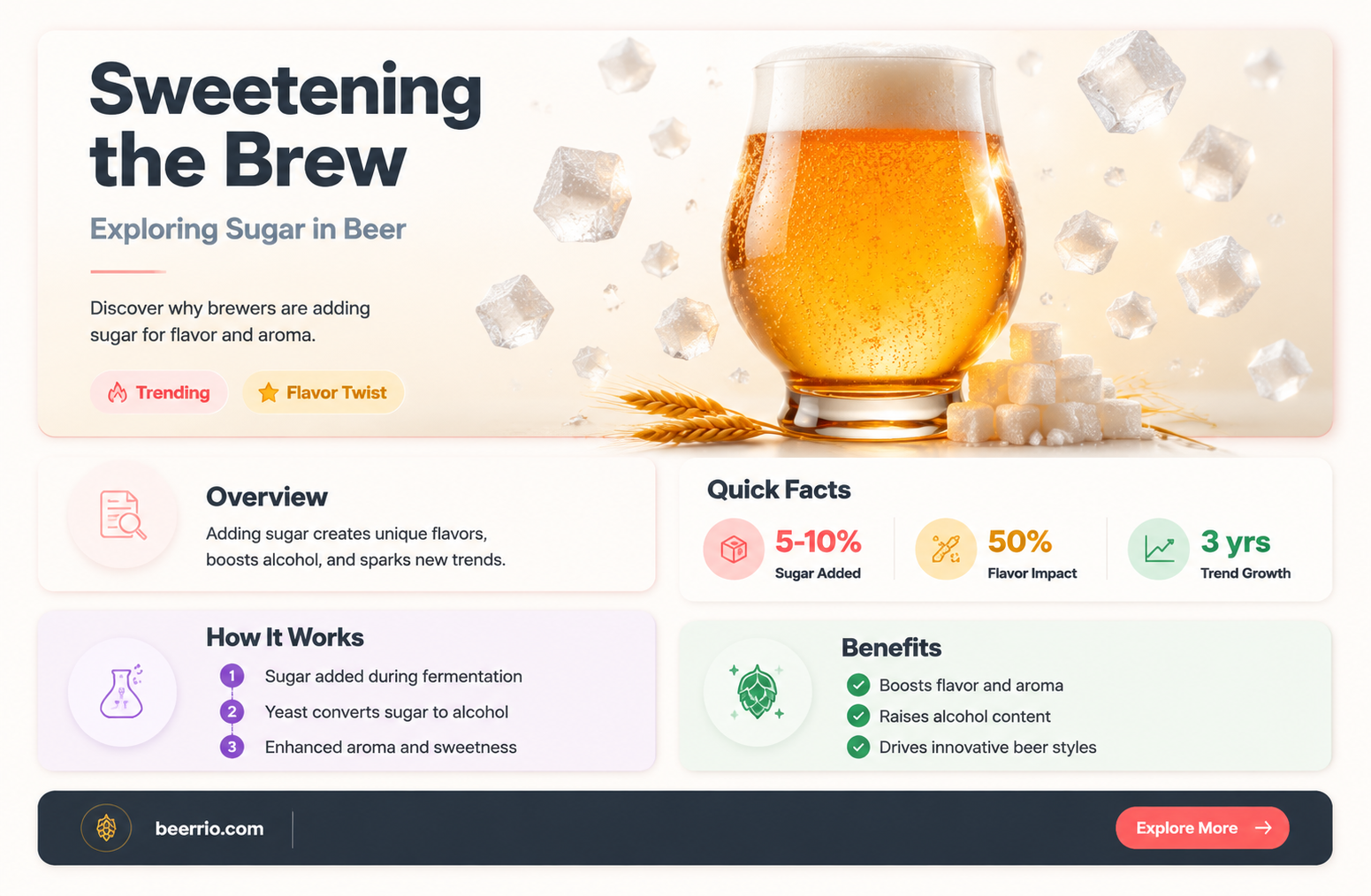
Pouring sugar into beer is a practice that has been debated among beer enthusiasts and homebrewers. While some argue that it can enhance the flavor profile by adding sweetness and complexity, others contend that it can negatively impact the beer's taste and fermentation process. In this article, we'll delve into the potential effects of adding sugar to beer, exploring both the benefits and drawbacks to help you make an informed decision about whether or not to sweeten your brew.
Explore related products


What You'll Learn
- Effect on Taste: Adding sugar can alter the beer's flavor profile, potentially enhancing sweetness and masking bitterness
- Fermentation Impact: Sugar can influence the fermentation process, affecting alcohol content and carbonation levels in the beer
- Health Considerations: Consuming sugary beverages, including sweetened beer, may have implications for health, such as increased calorie intake
- Cultural Practices: In some cultures, adding sugar to beer is a traditional practice, often tied to specific recipes or occasions
- Brewing Techniques: Brewers might use sugar to adjust the balance of flavors or to create specific styles of beer, like sweet stouts

Effect on Taste: Adding sugar can alter the beer's flavor profile, potentially enhancing sweetness and masking bitterness
Adding sugar to beer can significantly alter its flavor profile. The primary effect is an increase in sweetness, which can be desirable for those who prefer a less bitter taste. However, this alteration can also mask the natural bitterness of the beer, which is a key component of its overall flavor balance. The type of sugar used can also influence the final taste; for example, brown sugar may add a caramel-like note, while white sugar will contribute a cleaner, more neutral sweetness.
The amount of sugar added is crucial in determining the extent of the flavor change. A small amount may subtly enhance the beer's sweetness without overpowering its other flavors, while a larger amount can drastically alter the taste, making it overly sweet and potentially cloying. It's important to note that adding sugar will also increase the beer's calorie content, which may be a consideration for those monitoring their caloric intake.
The timing of sugar addition can also impact the beer's flavor. Adding sugar during the brewing process can lead to fermentation, where the sugar is converted into alcohol and carbon dioxide, potentially increasing the beer's alcohol content and carbonation. On the other hand, adding sugar after fermentation can result in a more straightforward increase in sweetness without affecting the alcohol content or carbonation level.
In some cases, sugar can be used to balance out the bitterness of high-IBU beers, creating a more harmonious flavor profile. However, it's essential to experiment with different types and amounts of sugar to find the right balance for individual taste preferences. It's also worth considering the potential impact on the beer's head and mouthfeel, as sugar can sometimes lead to a heavier, more syrupy texture.
Ultimately, the decision to add sugar to beer comes down to personal preference and the desired flavor profile. While it can be a useful tool for customizing the taste of beer, it's important to use sugar judiciously to avoid overpowering the beer's natural flavors and creating an unbalanced or overly sweet beverage.
Elevate Your BBQ: Porter Beer and Bratwurst Pairing Guide
You may want to see also
Explore related products


Fermentation Impact: Sugar can influence the fermentation process, affecting alcohol content and carbonation levels in the beer
Sugar plays a pivotal role in the fermentation process of beer, acting as a primary food source for yeast. During fermentation, yeast consumes sugar and converts it into alcohol and carbon dioxide. This process is fundamental to beer production, as it determines the alcohol content and carbonation levels of the final product.
The type and amount of sugar added to beer can significantly impact its flavor profile and overall quality. For instance, simple sugars like glucose and fructose are more readily fermentable than complex sugars like starches and cellulose. This means that they can be converted into alcohol more quickly and efficiently, potentially leading to higher alcohol content and more vigorous carbonation.
However, it's important to note that adding too much sugar to beer can also lead to off-flavors and an unbalanced taste. Excess sugar can contribute to a cloying sweetness and may also inhibit the yeast's ability to ferment properly, resulting in a stuck fermentation or the production of undesirable byproducts.
In addition to influencing the fermentation process, sugar can also affect the stability and shelf life of beer. High sugar concentrations can promote the growth of bacteria and other spoilage organisms, leading to a shorter shelf life and potential quality issues.
When considering whether to add sugar to beer, brewers must carefully weigh the potential benefits against the risks. While sugar can enhance the flavor and complexity of beer, it's crucial to use it judiciously and in moderation to avoid negative consequences.
In conclusion, sugar is a powerful tool in the brewer's arsenal, capable of influencing the fermentation process, alcohol content, and carbonation levels of beer. However, it's essential to use sugar responsibly and with a clear understanding of its potential impacts on the final product.
Street Beer Bong in London: Legal Fun or Trouble?
You may want to see also
Explore related products


Health Considerations: Consuming sugary beverages, including sweetened beer, may have implications for health, such as increased calorie intake
Consuming sugary beverages, including sweetened beer, can have significant health implications. One of the primary concerns is the increased calorie intake, which can contribute to weight gain and obesity if not balanced with physical activity. Sugary drinks are often high in empty calories, meaning they provide energy but lack essential nutrients like vitamins, minerals, and fiber.
In addition to weight gain, excessive sugar consumption has been linked to an increased risk of developing type 2 diabetes. The body's pancreas produces insulin to regulate blood sugar levels, but frequent spikes in blood sugar from consuming sugary drinks can lead to insulin resistance over time. This resistance can eventually result in the pancreas being unable to produce enough insulin, leading to high blood sugar levels characteristic of type 2 diabetes.
Another health consideration is the impact of sugar on dental health. The bacteria in the mouth feed on sugar, producing acids that can erode tooth enamel and lead to cavities. Regular consumption of sugary beverages, including sweetened beer, can increase the risk of dental problems if proper oral hygiene practices are not followed.
Furthermore, sugary drinks can contribute to dehydration. While they may provide some hydration due to their water content, the high sugar concentration can lead to increased urine production, causing the body to lose more fluids than it takes in. This can be particularly problematic during hot weather or physical activity when the body's need for hydration is higher.
To mitigate these health risks, it is recommended to limit the consumption of sugary beverages, including sweetened beer. Instead, opt for healthier alternatives like water, unsweetened tea, or low-sugar sports drinks. If you do choose to consume sugary drinks, it is important to do so in moderation and balance them with a healthy diet and regular physical activity.
Crafting a Career: The Art and Business of Brewing Beer for a Living
You may want to see also
Explore related products



Cultural Practices: In some cultures, adding sugar to beer is a traditional practice, often tied to specific recipes or occasions
In certain cultures, the practice of adding sugar to beer is deeply rooted in tradition, often linked to specific recipes or celebratory occasions. For instance, in Belgium, the Trappist monks have been brewing beer with added sugars for centuries, resulting in rich, complex flavors that are highly prized by beer enthusiasts. Similarly, in Germany, the traditional Berliner Weisse is a sour wheat beer that is typically sweetened with raspberry or woodruff syrup, transforming its tart profile into a refreshing, fruity beverage.
These cultural practices not only influence the taste and character of the beer but also play a significant role in the social and ceremonial aspects of beer consumption. In many societies, beer is more than just a drink; it is a symbol of hospitality, community, and celebration. The addition of sugar can enhance the communal experience, making the beer more approachable and enjoyable for a wider range of palates.
Moreover, the use of sugar in beer can have practical implications, such as increasing the alcohol content through fermentation. In some cases, sugar is added to balance the bitterness of the hops or to create a specific flavor profile that is characteristic of a particular style or region. Understanding these cultural practices can provide valuable insights into the art and science of brewing, as well as the diverse ways in which beer is enjoyed around the world.
When considering the addition of sugar to beer, it is essential to approach the topic with an appreciation for the cultural and historical context in which these practices have evolved. By doing so, we can gain a deeper understanding of the complexities and nuances involved in this seemingly simple act, and perhaps even discover new ways to enjoy this beloved beverage.
Sipping on Crypto: Where to Find Bitcoin-Friendly Bars
You may want to see also
Explore related products


Brewing Techniques: Brewers might use sugar to adjust the balance of flavors or to create specific styles of beer, like sweet stouts
Brewers often employ sugar as a versatile ingredient to fine-tune the flavor profile of their beers. One of the primary reasons for adding sugar is to enhance the sweetness and body of certain beer styles, such as sweet stouts and porters. These beers are characterized by their rich, roasted malt flavors and a noticeable sweetness that balances the bitterness from the hops. By incorporating sugar, brewers can achieve the desired level of sweetness without relying solely on the malt's natural sugars.
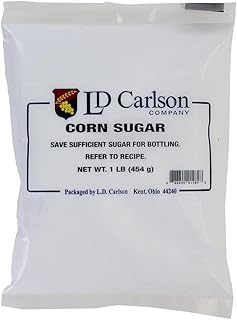
The process of adding sugar to beer involves careful consideration of the type and amount of sugar used. Different sugars, such as cane sugar, brown sugar, or honey, can impart unique flavors and aromas to the beer. For instance, brown sugar can contribute a subtle molasses-like note, while honey can add a floral and slightly fruity character. The timing of sugar addition is also crucial; it can be added during the boil, in the fermenter, or even during conditioning. Each method has its own advantages and can affect the final taste and texture of the beer.
When using sugar to adjust the balance of flavors, brewers must be mindful of the potential impact on the beer's alcohol content. Sugars that are added before fermentation will be consumed by the yeast, resulting in a higher alcohol by volume (ABV). On the other hand, sugars added after fermentation will not be metabolized by the yeast and will contribute to the beer's sweetness without increasing the ABV. This distinction is important for brewers aiming to create beers with specific alcohol levels and flavor profiles.
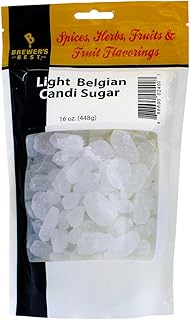
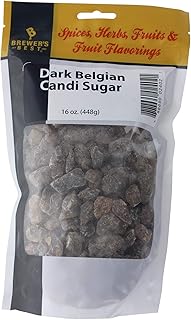
In addition to enhancing sweetness, sugar can also be used to create unique beer styles. For example, in the production of Belgian dubbels and tripels, sugar is often added to achieve the characteristic high alcohol content and complex flavor profile. These beers are known for their rich, malty sweetness, which is balanced by the spicy and fruity notes from the yeast. By carefully controlling the amount and type of sugar used, brewers can craft beers with distinctive and appealing characteristics.
Overall, the use of sugar in brewing is a nuanced and creative process that allows brewers to tailor the flavors and styles of their beers to meet specific preferences and traditions. Whether used to enhance sweetness, balance flavors, or create unique styles, sugar plays a valuable role in the art and science of brewing.
Traveling with Brews: The Do's and Don'ts of Packing Beer in Checked Luggage
You may want to see also
Frequently asked questions
Yes, you can pour sugar into beer. Some people add sugar to beer to enhance its sweetness or to create a specific flavor profile.
The amount of sugar to add depends on personal taste and the type of beer. Start with a small amount, like a teaspoon, and adjust to your liking.
White granulated sugar is the most common choice, but you can also use brown sugar, honey, or maple syrup for different flavor profiles.
Adding sugar to beer will not significantly affect its alcohol content. However, if you're brewing your own beer, adding sugar during the fermentation process can increase the alcohol content.
Adding sugar to beer increases its calorie content and can contribute to weight gain if consumed in excess. It's also important to monitor blood sugar levels if you have diabetes or other health conditions affected by sugar intake.