Beatrix Montes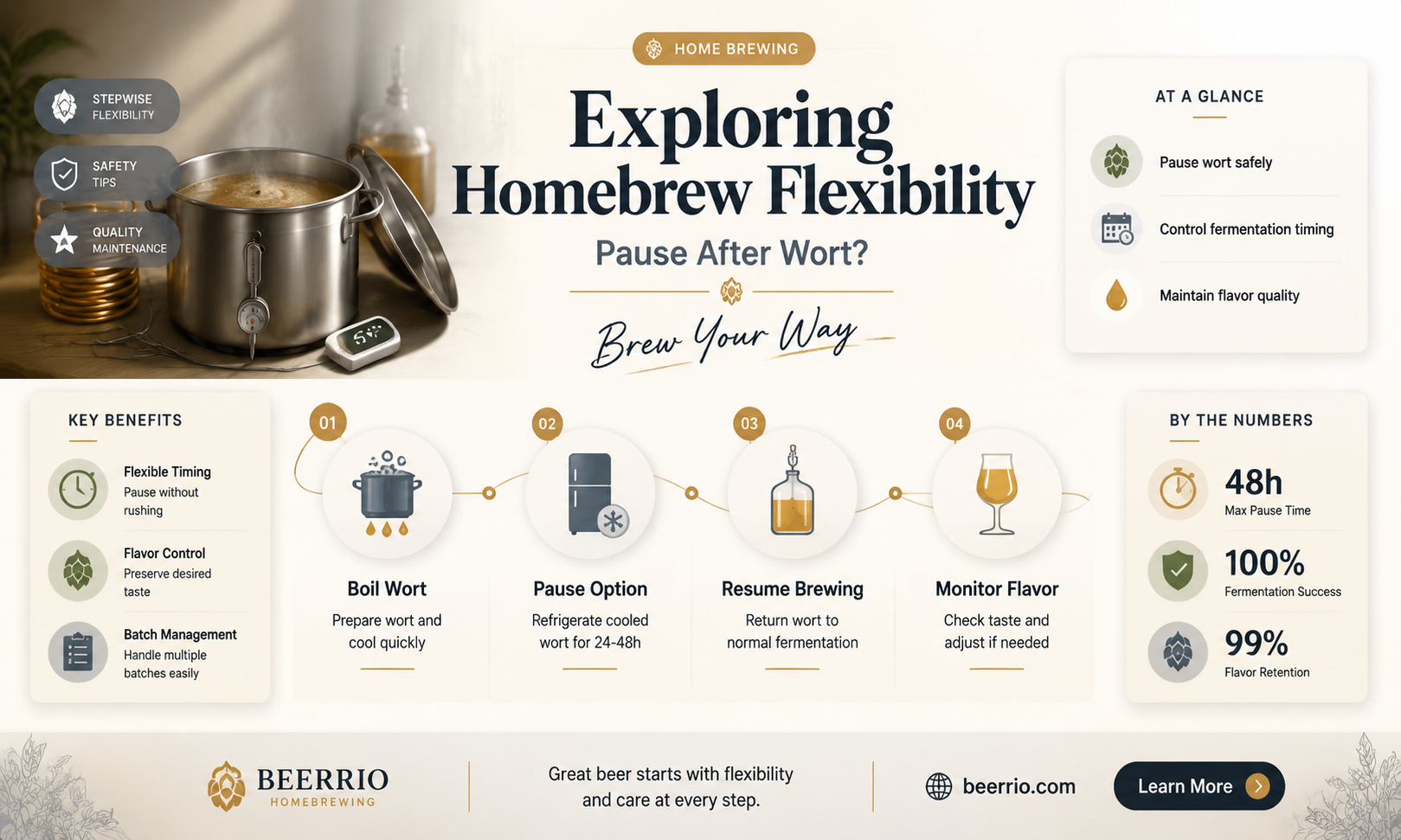
Pausing beer brewing after making wort is a common practice among homebrewers and commercial brewers alike. Wort is the liquid extracted from the mashing process during beer brewing, and it contains the fermentable sugars that yeast will convert into alcohol. After the wort is prepared, it is typically boiled with hops and other ingredients to add flavor and bitterness. Once the boiling process is complete, the wort needs to be cooled down to a temperature suitable for yeast fermentation. This is where the option to pause the brewing process comes into play. Brewers may choose to pause for various reasons, such as to allow the wort to cool naturally, to prepare the fermentation vessel, or to wait for the right time to pitch the yeast. Pausing at this stage can also help to clarify the wort by allowing any remaining solids to settle out. However, it is important to minimize the time between boiling and fermentation to prevent contamination and ensure the best possible flavor and quality of the final beer.
| Characteristics | Values |
|---|---|
| Process Stage | Wort preparation |
| Pause Timing | After wort is made, before fermentation |
| Duration | Typically up to 24 hours |
| Temperature | Usually between 60-70°F (15-21°C) |
| Equipment | Brew kettle, fermenter, airlock |
| Ingredients | Water, malt, hops, yeast (not added yet) |
| pH Level | Around 5.2-5.5 |
| Sugar Content | High, around 1.050-1.060 SG |
| Potential Issues | Oxidation, contamination, off-flavors |
| Benefits | Allows for cooling, settling, and sanitation checks |
| Next Steps | Transfer to fermenter, add yeast, seal, and monitor fermentation |
| Monitoring | Observe for signs of fermentation, check temperature, and SG |
| Adjustments | May need to adjust temperature or add additional ingredients |
| Cleaning | Sanitize all equipment before and after use |
| Storage | Store wort in a cool, dark place until ready to ferment |
| Safety | Ensure all equipment is properly sealed to prevent contamination |
Explore related products


What You'll Learn
- Fermentation Halt: Techniques to safely stop fermentation after wort creation, ensuring beer quality
- Temperature Control: Methods to manage temperature during the brewing process for optimal results
- Yeast Management: Strategies for handling yeast after wort preparation, including storage and reuse
- Sanitation Practices: Steps to maintain cleanliness and prevent contamination during the brewing pause
- Flavor Development: How pausing the brewing process can influence the final taste and characteristics of the beer

Fermentation Halt: Techniques to safely stop fermentation after wort creation, ensuring beer quality
One effective method to halt fermentation is by using a technique called "cold crashing." This involves lowering the temperature of the wort to near freezing levels, which significantly slows down the yeast's activity. To do this, transfer the wort to a carboy or another fermentable container and place it in a cold environment, such as a refrigerator or a cold room. The temperature should be maintained between 35°F and 40°F (1.6°C and 4.4°C) for several days. This process not only halts fermentation but also helps to clarify the beer by causing the yeast and other solids to settle at the bottom of the container.
Another technique is to use a chemical additive to inhibit yeast growth. One common additive is potassium sorbate, which can be added to the wort at a rate of 1/4 teaspoon per gallon. Potassium sorbate works by interfering with the yeast's ability to reproduce, effectively halting fermentation. However, it's important to note that potassium sorbate can also affect the flavor of the beer, so it's recommended to use it sparingly and only when necessary.
A third method is to use a physical barrier to prevent the yeast from coming into contact with the wort. This can be achieved by using a fine mesh or a coffee filter to cover the opening of the fermentable container. This method is less commonly used but can be effective in certain situations.
Regardless of the method chosen, it's crucial to monitor the wort closely during the fermentation halt process. Check the specific gravity of the wort regularly to ensure that fermentation has indeed stopped. If the specific gravity remains constant for several days, it's a good indication that fermentation has been successfully halted.
In conclusion, there are several techniques that can be used to safely stop fermentation after wort creation, each with its own advantages and disadvantages. Cold crashing is a popular and effective method, while chemical additives like potassium sorbate can be used in moderation. Physical barriers are less common but can be effective in certain situations. Monitoring the wort closely during the fermentation halt process is essential to ensure that the desired outcome is achieved.
NJ Beer Lovers: The Scoop on Paper Bagging Your Brews
You may want to see also
Explore related products


Temperature Control: Methods to manage temperature during the brewing process for optimal results
Maintaining the correct temperature during the brewing process is crucial for achieving optimal results. Temperature affects every stage of brewing, from mashing to fermentation, and even slight deviations can impact the final product's flavor, aroma, and clarity. Brewers must carefully manage temperature to ensure that enzymes work efficiently during mashing, that yeast ferments properly, and that the beer develops the desired characteristics.
One common method for temperature control is the use of a wort chiller. This device cools the wort rapidly after boiling, which is essential for preventing the formation of unwanted compounds and for preparing the wort for yeast addition. Another important tool is the fermenter with a built-in thermometer and cooling system. This allows brewers to monitor and adjust the fermentation temperature as needed, ensuring that the yeast remains active and healthy throughout the process.
In addition to these tools, brewers can use various techniques to manage temperature. For example, they can use a water bath to maintain a consistent temperature during mashing, or they can use a refrigerator or freezer to cool the wort or beer during fermentation. It's also important to consider the ambient temperature of the brewing environment, as this can affect the overall temperature control strategy.
When it comes to temperature control, it's essential to be precise and consistent. Even small fluctuations can have a significant impact on the final product. Brewers should regularly monitor the temperature at each stage of the process and make adjustments as needed. By doing so, they can ensure that their beer develops the desired flavors, aromas, and clarity, and that it is of the highest possible quality.
In conclusion, temperature control is a critical aspect of the brewing process. By using the right tools and techniques, brewers can maintain the optimal temperature at each stage, resulting in a better final product. Whether it's using a wort chiller, a fermenter with a cooling system, or simply monitoring the ambient temperature, brewers must be vigilant and proactive in their temperature control efforts.
Exploring the Flexibility of Homebrewing: Can You Pause After the Mash?
You may want to see also
Explore related products



Yeast Management: Strategies for handling yeast after wort preparation, including storage and reuse
Proper yeast management is crucial for maintaining the quality and consistency of your beer. After preparing your wort, it's essential to store the yeast correctly to ensure its viability for future brews. One effective strategy is to create a yeast starter, which involves mixing a small amount of wort with the yeast and allowing it to ferment for a few days. This process helps to activate the yeast and increase its population, making it more robust for the main fermentation.
When storing yeast, it's important to keep it in a cool, dark place, such as a refrigerator. Yeast can be stored in a sealed container or a specialized yeast storage jar. It's also a good idea to label the container with the date and type of yeast to keep track of its age and usage. Yeast can typically be stored for several months, but its viability may decrease over time.
Reusing yeast is a common practice among homebrewers, as it can save money and time. However, it's important to note that yeast can only be reused a few times before its performance begins to decline. When reusing yeast, it's essential to ensure that the previous batch was healthy and free of contaminants. You can also blend different strains of yeast to create unique flavor profiles in your beer.
Another important aspect of yeast management is temperature control. Yeast ferments best within a specific temperature range, which varies depending on the strain. It's crucial to monitor the temperature of your wort and adjust it as needed to ensure optimal fermentation. Too high or too low temperatures can lead to off-flavors and poor fermentation.
In conclusion, effective yeast management involves proper storage, reuse, and temperature control. By following these strategies, you can ensure that your yeast remains healthy and viable, resulting in high-quality beer. Remember to always sanitize your equipment and follow proper brewing procedures to minimize the risk of contamination.
Traveling with Brews: The Do's and Don'ts of Packing Beer in Checked Luggage
You may want to see also
Explore related products



Sanitation Practices: Steps to maintain cleanliness and prevent contamination during the brewing pause
Maintaining sanitation during the brewing pause is crucial to prevent contamination and ensure the quality of your beer. Here are some steps to follow:
- Clean and Sanitize Equipment: Before the brewing pause, ensure that all equipment that will come into contact with the wort is thoroughly cleaned and sanitized. This includes the fermenter, airlock, and any utensils or hoses that will be used during the transfer process.
- Use a Brewing Bag: If you're using a brewing bag, make sure it's properly sealed and placed in a clean environment. This will help prevent any unwanted particles or contaminants from entering the wort during the pause.
- Monitor Temperature: Keep an eye on the temperature of your wort during the brewing pause. If it's too warm, it can become a breeding ground for bacteria and other contaminants. Ideally, the wort should be cooled to room temperature before the pause.
- Minimize Exposure to Air: Air is a common source of contamination, so it's important to minimize the amount of time your wort is exposed to it. Use a sealed fermenter or cover your brewing bag with a clean cloth to reduce the risk of contamination.
- Use a Secondary Fermenter: If you're planning a longer brewing pause, consider transferring your wort to a secondary fermenter. This will help separate the wort from any sediment or contaminants that may have settled at the bottom of the primary fermenter.
- Regularly Check for Signs of Contamination: During the brewing pause, regularly check your wort for any signs of contamination, such as off-odors, discoloration, or the presence of mold or bacteria. If you notice any of these signs, take immediate action to address the issue.
By following these sanitation practices, you can help ensure that your beer remains clean and free of contaminants during the brewing pause.
Will Two Beers Affect Your Breathalyzer Test Results?
You may want to see also
Explore related products



Flavor Development: How pausing the brewing process can influence the final taste and characteristics of the beer
Pausing the brewing process after making wort can have a significant impact on the flavor development of the beer. This technique, known as a "fermentation pause" or "cold crash," involves halting the fermentation process for a period of time, typically at a low temperature. This pause allows the yeast to settle and the flavors to mature, resulting in a smoother, more complex beer.
During the fermentation pause, the yeast cells are given time to rest and recover, which can lead to a more efficient and complete fermentation when the process is resumed. This can result in a beer with a cleaner, more refined taste profile. Additionally, the pause allows for the separation of yeast and other solids from the liquid, which can improve the beer's clarity and reduce the risk of off-flavors.
The length of the fermentation pause can vary depending on the specific beer style and the desired flavor characteristics. For example, a longer pause may be used for a beer that requires a more pronounced malt flavor, while a shorter pause may be used for a beer that requires a more delicate, fruity flavor. It is important to monitor the beer's progress during the pause and to resume fermentation at the appropriate time to avoid over-fermentation or the development of undesirable flavors.
In conclusion, pausing the brewing process after making wort can be a valuable technique for influencing the final taste and characteristics of the beer. By allowing the yeast to rest and the flavors to mature, the fermentation pause can result in a smoother, more complex beer with a cleaner, more refined taste profile.
Traveling with Brews: The Dos and Don'ts of Packing Canned Beer
You may want to see also
Frequently asked questions
Yes, you can pause beer brewing after making wort. This step is known as a "wort rest" or "mash rest," and it's a common practice in homebrewing. It allows the wort to cool down before fermentation, which can help improve the final taste and quality of your beer.
The ideal length of time for a wort rest depends on the type of beer you're brewing and the temperature of your wort. Generally, a rest period of 30 minutes to an hour is sufficient for most homebrews. However, for some styles of beer, like lagers, a longer rest period of up to several hours may be necessary.
The optimal temperature for starting fermentation depends on the type of yeast you're using and the style of beer you're brewing. For most ales, the ideal temperature is between 68°F and 72°F (20°C and 22°C). For lagers, the temperature should be lower, typically between 45°F and 55°F (7°C and 13°C).
Resting your wort before fermentation has several benefits. It allows the wort to cool down, which can help prevent the yeast from being shocked by high temperatures. This can lead to a healthier fermentation and a better-tasting beer. Additionally, the rest period can help clarify the wort, making it easier for the yeast to work and improving the overall quality of your brew.
One common mistake to avoid when resting your wort is to let it sit for too long. If your wort sits for too long, it can become a breeding ground for bacteria and wild yeast, which can spoil your beer. Another mistake is to not monitor the temperature of your wort during the rest period. If the temperature drops too low, it can slow down or even stop fermentation. Make sure to keep an eye on the temperature and adjust it as necessary to ensure a successful brew.