Jason Wagner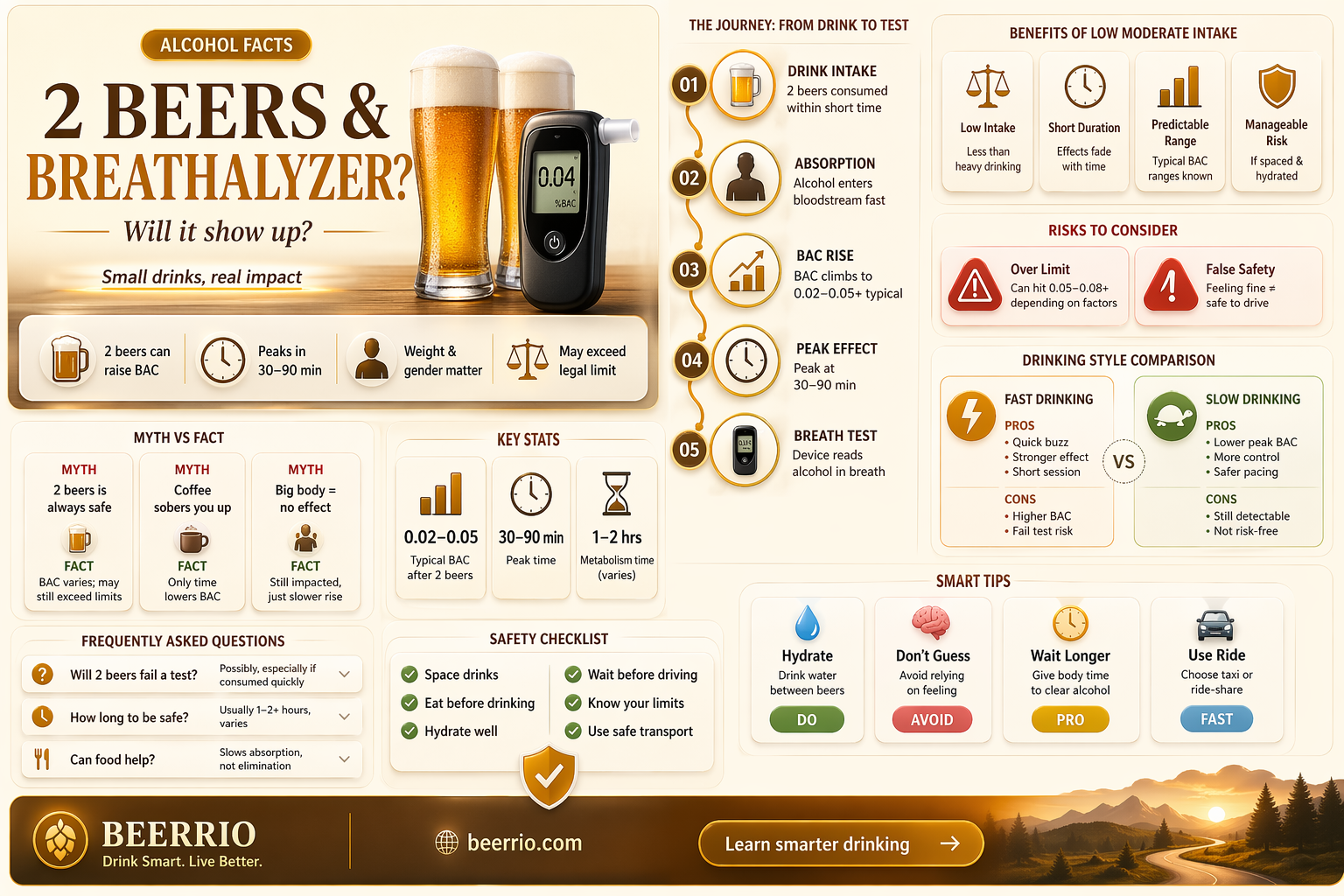
The question of whether one can pass a breathalyzer test after consuming two beers is a common concern, especially in situations where driving is involved. The answer depends on various factors, including the individual's body weight, metabolism, the alcohol content of the beers, and the time elapsed since consumption. Generally, two standard beers could potentially raise a person's blood alcohol concentration (BAC) above the legal limit for driving in many jurisdictions, which is typically 0.08%. However, this can vary significantly from person to person. It's important to note that the safest option is always to avoid driving after consuming any alcohol, as even small amounts can impair judgment and reaction times. If you're planning to drink, it's advisable to arrange for alternative transportation methods, such as public transit, a taxi, or a designated driver, to ensure your safety and the safety of others on the road.
Explore related products


What You'll Learn
- Factors Affecting BAC: Understand how body weight, metabolism, and food intake influence blood alcohol concentration
- Breathalyzer Accuracy: Learn about the reliability of breathalyzers and potential factors that can affect their readings
- Legal Limits: Familiarize yourself with the legal blood alcohol concentration limits for driving in your region
- Effects of Alcohol: Recognize the short-term effects of alcohol consumption on your body and cognitive abilities
- Safe Drinking Practices: Discover strategies for responsible alcohol consumption to ensure safety and compliance with laws

Factors Affecting BAC: Understand how body weight, metabolism, and food intake influence blood alcohol concentration
Body weight plays a significant role in determining blood alcohol concentration (BAC). Generally, individuals with lower body weight will have a higher BAC after consuming the same amount of alcohol as those with higher body weight. This is because alcohol is distributed throughout the body's water content, and people with less body mass have less water to dilute the alcohol. As a result, the alcohol remains more concentrated in their bloodstream.
Metabolism is another crucial factor affecting BAC. People with faster metabolisms can process and eliminate alcohol more quickly from their bodies, leading to lower BAC levels. Conversely, those with slower metabolisms may have higher BAC levels for a longer period after drinking. Factors such as age, gender, and overall health can influence metabolic rates, with younger individuals and men typically having faster metabolisms than older individuals and women.
Food intake also significantly impacts BAC. Consuming food before or while drinking alcohol can slow down the absorption of alcohol into the bloodstream, resulting in lower BAC levels. This is because food, particularly high-fat and high-protein foods, can delay the emptying of the stomach, giving the liver more time to metabolize the alcohol. However, it's important to note that while food can help lower BAC, it does not eliminate the effects of alcohol or reduce the risk of impairment.
Understanding these factors can help individuals make more informed decisions about alcohol consumption and its potential effects on their BAC levels. It's essential to recognize that everyone's body processes alcohol differently, and there is no one-size-fits-all approach to predicting BAC. Factors such as body weight, metabolism, and food intake can all influence BAC levels, and it's crucial to consider these variables when assessing the potential impact of alcohol consumption on one's ability to pass a breathalyzer test.
Traveling with Brews: The Do's and Don'ts of Packing Beer in Checked Luggage
You may want to see also
Explore related products
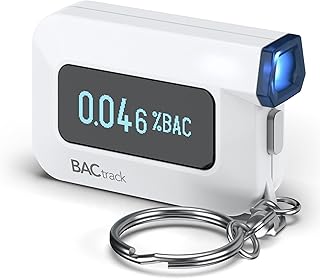

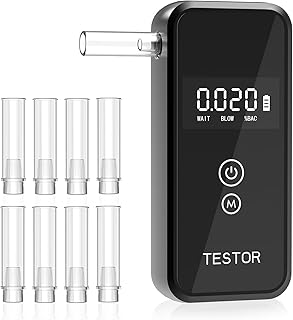


Breathalyzer Accuracy: Learn about the reliability of breathalyzers and potential factors that can affect their readings
Breathalyzers are commonly used by law enforcement to measure a driver's blood alcohol concentration (BAC). While they are generally reliable, several factors can affect their accuracy. For instance, the type of breathalyzer used can significantly impact the results. There are two main types: evidential breathalyzers, which are larger and more accurate, and preliminary breathalyzers, which are smaller and used for initial screenings. Evidential breathalyzers are typically more reliable and are used in official testing scenarios.
Another factor that can influence breathalyzer readings is the timing of the test. Alcohol takes time to be absorbed into the bloodstream, and the peak BAC level can vary depending on factors such as body weight, metabolism, and the amount of food consumed. Therefore, the accuracy of a breathalyzer test can be affected if it is administered too soon or too long after alcohol consumption.
Additionally, certain medical conditions and medications can interfere with breathalyzer readings. For example, diabetes can cause elevated acetone levels in the breath, which can be misinterpreted as alcohol. Similarly, some medications, such as mouthwashes containing alcohol, can also affect the results. It is crucial for individuals to inform law enforcement officers about any medical conditions or medications they are taking before undergoing a breathalyzer test.
Environmental factors, such as temperature and humidity, can also impact the accuracy of breathalyzers. Extreme temperatures can affect the calibration of the device, leading to inaccurate readings. High humidity levels can cause condensation to form on the mouthpiece, which can also interfere with the test results.
To ensure the accuracy of a breathalyzer test, it is essential to follow proper testing procedures. This includes waiting for the appropriate amount of time after alcohol consumption, using a calibrated and well-maintained device, and considering any potential interfering factors. By understanding these variables, individuals can better assess the reliability of breathalyzer readings and make informed decisions regarding alcohol consumption and driving.
Traveling with Brews: The Dos and Don'ts of Packing Canned Beer
You may want to see also
Explore related products


Legal Limits: Familiarize yourself with the legal blood alcohol concentration limits for driving in your region
Understanding the legal blood alcohol concentration (BAC) limits for driving is crucial for anyone who consumes alcohol. These limits vary by region and are strictly enforced to ensure road safety. For instance, in many parts of the United States, the legal BAC limit for drivers over 21 years of age is 0.08%. This means that if your BAC is 0.08% or higher, you are considered legally impaired and should not drive.
It's important to note that even if you feel sober, your BAC could still be above the legal limit. Factors such as your weight, metabolism, and the amount of food you've eaten can significantly affect how quickly your body processes alcohol. Therefore, it's always best to err on the side of caution and avoid driving if you've consumed any alcohol.
In some regions, there are also different BAC limits for commercial drivers and those under 21 years of age. For example, in the U.S., commercial drivers are held to a stricter standard with a legal BAC limit of 0.04%. Drivers under 21 are subject to zero-tolerance laws, meaning any detectable amount of alcohol in their system can result in legal consequences.
To familiarize yourself with the legal BAC limits in your region, you can consult your local Department of Motor Vehicles (DMV) or a similar authority. They typically provide detailed information on driving laws and regulations, including BAC limits and the penalties for violating them.
Remember, the best way to ensure you can pass a breathalyzer test is to avoid drinking alcohol before driving. If you do choose to drink, make sure to do so responsibly and plan ahead for a safe way to get home, such as using a designated driver, public transportation, or a ride-sharing service.
NJ Beer Lovers: The Scoop on Paper Bagging Your Brews
You may want to see also
Explore related products


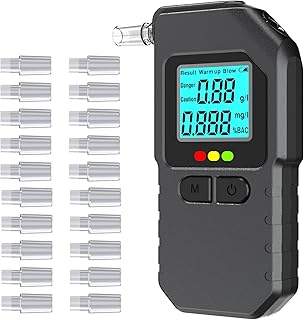

Effects of Alcohol: Recognize the short-term effects of alcohol consumption on your body and cognitive abilities
Alcohol consumption, even in moderate amounts, can have significant short-term effects on both the body and cognitive abilities. These effects can manifest in various ways, impacting an individual's physical coordination, reaction time, and decision-making processes. Understanding these short-term effects is crucial for making informed choices about alcohol consumption and ensuring personal safety.
Physically, alcohol can impair motor skills and balance, leading to difficulties in tasks that require coordination, such as driving or walking. This impairment is due to alcohol's depressive effects on the central nervous system, which can slow down reflexes and reaction times. Even small amounts of alcohol can lead to a decrease in visual acuity and depth perception, further complicating activities that require precise movements.
Cognitively, alcohol can affect memory, attention, and judgment. Short-term memory is particularly vulnerable to the effects of alcohol, with individuals often experiencing difficulty remembering recent events or conversations. Attention span can also be reduced, making it challenging to focus on tasks or engage in meaningful interactions. Judgment and decision-making abilities are impaired, leading to increased risk-taking behavior and a decreased ability to assess potential dangers or consequences.
The short-term effects of alcohol can vary depending on factors such as the individual's weight, metabolism, and tolerance. However, it is important to note that these effects can be unpredictable and may not always be immediately apparent. This unpredictability underscores the importance of exercising caution when consuming alcohol and being aware of its potential impact on physical and cognitive functioning.
In the context of passing a breathalyzer test after consuming two beers, it is essential to consider the short-term effects of alcohol on the body and cognitive abilities. Even if an individual feels sober, the physical and cognitive impairments caused by alcohol may still be present, potentially affecting their ability to operate a vehicle safely. It is always best to err on the side of caution and avoid driving after consuming alcohol, as the risks associated with impaired driving can have serious and long-lasting consequences.
Explore related products


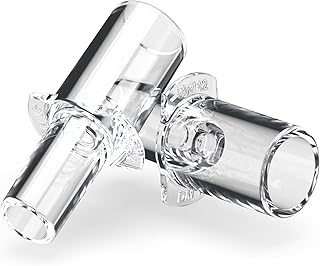
Safe Drinking Practices: Discover strategies for responsible alcohol consumption to ensure safety and compliance with laws
To ensure safety and compliance with laws regarding alcohol consumption, it's crucial to understand how alcohol affects your body and the legal limits for driving under its influence. Generally, it's illegal to drive with a blood alcohol concentration (BAC) of 0.08% or higher in most places. However, this can vary by jurisdiction, and some areas have stricter laws, especially for individuals under 21 years of age.
One effective strategy for responsible drinking is to pace yourself. This means limiting the number of drinks you consume in a given time period and alternating alcoholic beverages with non-alcoholic ones, such as water or soda. Eating before and while drinking can also help slow the absorption of alcohol into your bloodstream, reducing its immediate effects.
Another important aspect of safe drinking practices is knowing your limits. This involves being aware of how alcohol affects you personally and recognizing the signs of intoxication, such as slurred speech, impaired judgment, and reduced coordination. If you're unsure about your limits, it's better to err on the side of caution and limit your consumption or abstain from drinking altogether if you plan to drive.
Using a breathalyzer can be a useful tool to gauge your BAC. However, it's important to note that breathalyzers can sometimes give inaccurate readings, especially if used improperly or if you've recently consumed food or drinks that contain alcohol. Therefore, it's always best to assume that any amount of alcohol consumption could potentially impair your ability to drive safely.
In conclusion, safe drinking practices involve being aware of the legal limits for alcohol consumption, pacing yourself, knowing your personal limits, and using caution when operating a vehicle after consuming alcohol. By following these strategies, you can help ensure your safety and compliance with the law.
Frequently asked questions
It depends on various factors such as your body weight, metabolism, and the time elapsed since you consumed the beers. Generally, two beers could result in a blood alcohol concentration (BAC) that might put you over the legal limit for driving in many jurisdictions, which is typically 0.08% BAC.
On average, it takes about one hour for the body to metabolize one standard drink. However, this can vary based on individual factors. It's important to note that even if you feel sober, alcohol could still be present in your system.
There are no quick fixes to lower your BAC once you've consumed alcohol. Time is the only definitive way for your body to metabolize and eliminate alcohol. Drinking water, eating food, and exercising might help you feel better but won't significantly speed up the process of lowering your BAC.