Harmony Chandler
Hoppy beers, known for their distinctive bitter flavor and aromatic qualities, have been a subject of interest in the health and wellness community. While beer consumption in moderation has been associated with certain health benefits, such as improved heart health and reduced risk of certain diseases, the specific impact of hoppy beers on health remains a topic of debate. Some studies suggest that the antioxidants and anti-inflammatory compounds found in hops may contribute to health benefits, while others caution that the alcohol content in beer can negate these potential advantages. As with any dietary choice, it's essential to consider the overall nutritional profile and potential risks associated with hoppy beer consumption.
Explore related products


What You'll Learn
- Nutritional Content: Hoppy beers may offer more nutrients like vitamins and minerals compared to non-hoppy varieties
- Antioxidant Properties: Hops are rich in antioxidants, which can help reduce inflammation and protect against chronic diseases
- Calorie Comparison: Typically, hoppy beers have similar calorie counts to other beer types, but some may be slightly lower
- Alcohol Content: Many hoppy beers have higher alcohol by volume (ABV), which can impact health if consumed excessively
- Moderation Key: Despite potential health benefits, moderation is crucial as excessive alcohol consumption can negate any positive effects

Nutritional Content: Hoppy beers may offer more nutrients like vitamins and minerals compared to non-hoppy varieties
Hoppy beers, known for their distinctive bitter flavor and aromatic qualities, may offer more than just a unique taste experience. Recent studies suggest that these beers could be richer in certain nutrients compared to their non-hoppy counterparts. This nutritional advantage is primarily attributed to the hops themselves, which are a source of various vitamins, minerals, and antioxidants.
One of the key nutrients found in hops is vitamin C, an essential compound for immune function and skin health. Additionally, hops contain B vitamins, which play a crucial role in energy metabolism and nervous system function. The mineral content in hops includes magnesium, important for muscle and nerve function, and potassium, which helps regulate fluid balance and blood pressure.
Moreover, hops are rich in antioxidants, such as flavonoids and carotenoids, which can help protect the body against oxidative stress and inflammation. These compounds may contribute to the potential health benefits associated with moderate beer consumption, such as reduced risk of heart disease and improved gut health.
It's important to note, however, that while hoppy beers may offer these nutritional benefits, they also tend to be higher in calories and alcohol content. Therefore, moderation is key when considering the health implications of beer consumption. In conclusion, the nutritional content of hoppy beers makes them a potentially healthier choice compared to non-hoppy varieties, but this should be balanced with responsible drinking habits.
Exploring the Surprising Benefits of Beer for Hair Health
You may want to see also
Explore related products


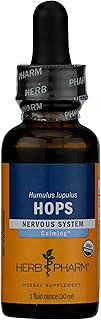


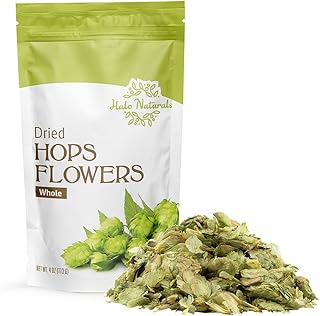
Antioxidant Properties: Hops are rich in antioxidants, which can help reduce inflammation and protect against chronic diseases
Hops, the primary ingredient in beer that contributes to its bitterness and aroma, are known for their high antioxidant content. These antioxidants play a crucial role in combating oxidative stress in the body, which is linked to various chronic diseases such as heart disease, cancer, and neurodegenerative disorders. By incorporating hops into beer, brewers not only enhance the flavor profile but also potentially increase the health benefits of their product.
The antioxidants found in hops include compounds like flavonoids, carotenoids, and polyphenols. These molecules are capable of neutralizing free radicals, which are unstable atoms that can cause cellular damage. In particular, a study published in the Journal of Agricultural and Food Chemistry found that the antioxidant activity of hops is comparable to that of other well-known antioxidant-rich foods like red wine and green tea. This suggests that consuming hoppy beers in moderation could contribute to a healthier diet.
Moreover, the anti-inflammatory properties of hops can be attributed to their antioxidant content. Chronic inflammation is a key factor in the development of many diseases, and antioxidants help to mitigate this by reducing the production of pro-inflammatory cytokines. Research has shown that certain compounds in hops, such as humulone and lupulone, have potent anti-inflammatory effects. These findings indicate that hoppy beers may offer some protection against inflammation-related health issues.
While the potential health benefits of hoppy beers are promising, it is essential to consider the overall nutritional content and alcohol percentage of the beer. Excessive alcohol consumption can negate any potential health benefits and lead to various health problems. Therefore, moderation is key when enjoying hoppy beers for their antioxidant properties. In conclusion, the incorporation of hops in beer not only enhances its taste but also adds valuable antioxidants that can contribute to a healthier lifestyle when consumed responsibly.
Exploring the Health Benefits of Bitter Beers: A Comprehensive Guide
You may want to see also
Explore related products



Calorie Comparison: Typically, hoppy beers have similar calorie counts to other beer types, but some may be slightly lower
Hoppy beers, known for their distinctive bitter flavor and aromatic qualities, are often compared to other beer types in terms of nutritional content. One key aspect of this comparison is calorie count. Typically, hoppy beers have similar calorie counts to other beer types, but some may be slightly lower. This is because the brewing process for hoppy beers often involves a higher proportion of hops, which are low in calories compared to other ingredients like malt and yeast.
For instance, a standard 12-ounce serving of an American Pale Ale, which is a popular type of hoppy beer, typically contains around 150-180 calories. In contrast, a similar serving of a light lager might contain around 100-120 calories, while a robust porter or stout could have upwards of 200-250 calories. However, it's important to note that these are general estimates and actual calorie counts can vary significantly depending on the specific recipe and brewing methods used.
When considering the health implications of hoppy beers, it's also worth noting that calorie count is just one factor. Other nutritional aspects, such as alcohol content, carbohydrate levels, and the presence of vitamins and minerals, can also play a role. For example, some hoppy beers may have higher alcohol by volume (ABV) percentages, which can contribute to a higher overall calorie intake. Additionally, the brewing process can affect the final nutritional profile of the beer, with some methods preserving more of the beneficial compounds found in hops.
In conclusion, while hoppy beers may have slightly lower calorie counts than some other beer types, it's essential to consider the broader nutritional context when evaluating their healthiness. Factors such as alcohol content, carbohydrate levels, and the brewing process all contribute to the overall nutritional profile of a beer. As with any alcoholic beverage, moderation is key, and it's important to balance enjoyment with responsible consumption.
Exploring the Health Benefits of Stout Beer: A Surprising Truth
You may want to see also
Explore related products


Alcohol Content: Many hoppy beers have higher alcohol by volume (ABV), which can impact health if consumed excessively
Hoppy beers, known for their distinctive bitter flavor and aromatic qualities, often come with a higher alcohol by volume (ABV) content. This characteristic can have significant implications for health if these beers are consumed in excess. Understanding the relationship between alcohol content and health is crucial for making informed decisions about beer consumption.
The higher ABV in hoppy beers can lead to increased calorie intake, which may contribute to weight gain and associated health issues if not balanced with a healthy diet and regular exercise. Additionally, excessive alcohol consumption can strain the liver, leading to conditions such as fatty liver disease, cirrhosis, and even liver failure over time. The risk of developing these conditions is heightened when consuming beers with higher alcohol content regularly.
Moreover, the elevated alcohol levels in hoppy beers can impact mental health. While moderate alcohol consumption may have some social and psychological benefits, excessive drinking can lead to increased anxiety, depression, and other mental health disorders. It can also impair cognitive function and contribute to the development of alcohol dependence or addiction.
It is essential to note that the health impacts of hoppy beers are not solely due to their alcohol content. Other factors, such as the presence of antioxidants and polyphenols derived from hops, may offer some health benefits. However, these potential benefits should not overshadow the risks associated with high alcohol consumption.
To mitigate the health risks associated with hoppy beers, it is advisable to consume them in moderation. This means limiting intake to one or two beers per day for men and one beer per day for women. Additionally, maintaining a balanced diet, engaging in regular physical activity, and avoiding binge drinking can help minimize the negative effects of alcohol on health.
In conclusion, while hoppy beers can be a flavorful and enjoyable beverage choice, their higher alcohol content necessitates a cautious approach to consumption. By understanding the potential health implications and taking steps to drink responsibly, individuals can enjoy hoppy beers while minimizing risks to their well-being.
Seltzer vs. Beer: Unraveling the Healthier Choice Debate
You may want to see also
Explore related products


Moderation Key: Despite potential health benefits, moderation is crucial as excessive alcohol consumption can negate any positive effects
While hoppy beers may offer certain health benefits, it's essential to approach their consumption with moderation. Excessive alcohol intake can lead to a myriad of health issues, including liver damage, increased risk of certain cancers, and cardiovascular problems. Therefore, it's crucial to balance the potential benefits of hoppy beers with the risks associated with overconsumption.
One way to moderate alcohol intake is to set specific limits for daily or weekly consumption. For example, the Centers for Disease Control and Prevention (CDC) recommend that adults limit their alcohol intake to one drink per day for women and two drinks per day for men. Additionally, incorporating alcohol-free days into one's routine can help reduce overall consumption and promote a healthier lifestyle.
Another strategy for moderation is to practice mindful drinking. This involves being aware of one's alcohol intake, savoring each sip, and avoiding binge drinking. Mindful drinking can help individuals better understand their limits and make more informed decisions about when and how much to drink.
Furthermore, it's important to consider the overall nutritional content of hoppy beers. While they may contain antioxidants and other beneficial compounds, they are also high in calories and carbohydrates. Therefore, individuals should factor beer consumption into their overall dietary habits and ensure they are maintaining a balanced and healthy diet.
In conclusion, moderation is key when it comes to consuming hoppy beers. By setting limits, practicing mindful drinking, and considering the nutritional content of beer, individuals can enjoy the potential health benefits of hoppy beers while minimizing the risks associated with excessive alcohol consumption.
Exploring the Health Benefits and Myths of NA Beer
You may want to see also
Frequently asked questions
The health benefits of hoppy beers, such as IPAs, are often debated. Hops contain antioxidants and may have anti-inflammatory properties, but beer also contains calories and alcohol, which can have negative health effects if consumed in excess. Moderation is key.
Hops are known for their antioxidant properties, which can help protect cells from damage. They also contain compounds that may reduce inflammation and have antimicrobial effects. However, these benefits should be weighed against the overall caloric and alcohol content of the beer.
Hoppy beers, particularly IPAs, often have a higher alcohol content than other types of beer. This can range from 5% to over 10% ABV, depending on the specific brew. It's important to be aware of the alcohol content when considering the health implications of any beer.
Like all alcoholic beverages, hoppy beers should be consumed in moderation as part of a balanced diet. They can contribute to daily calorie intake and may offer some health benefits due to their hop content, but they should not replace nutrient-dense foods or be relied upon for significant health benefits.