Harmony Chandler
Guinness beer, renowned for its rich, dark color and creamy head, is a popular Irish stout that has been brewed since 1759. The beer's distinctive flavor and appearance are the result of a carefully crafted recipe that includes several key ingredients. These ingredients not only contribute to the beer's taste but also to its iconic status in the world of brewing. Understanding what goes into a pint of Guinness can provide insight into its unique characteristics and the brewing process that sets it apart from other beers.
Explore related products



What You'll Learn
- Barley: Guinness uses roasted barley, giving the beer its dark color and rich flavor
- Hops: Hops provide bitterness and aroma, balancing the sweetness of the malt
- Yeast: A unique strain of yeast contributes to Guinness's creamy head and smooth taste
- Water: Pure water from the Wicklow Mountains is a key ingredient in brewing Guinness
- Nitrogen: Nitrogen is used in the pouring process, creating the beer's signature cascading effect and creamy texture

Barley: Guinness uses roasted barley, giving the beer its dark color and rich flavor
Barley is the foundational ingredient in Guinness beer, playing a crucial role in determining both its distinctive dark color and rich, complex flavor. The barley used in Guinness is not just any barley; it is specifically roasted to achieve the deep, caramelized notes that are characteristic of the beer. This roasting process is a key differentiator, setting Guinness apart from other stouts and beers that may use unroasted or lightly roasted barley.
The dark color of Guinness is a direct result of the Maillard reaction, a chemical process that occurs when amino acids and reducing sugars in the barley are exposed to heat. This reaction produces a range of compounds that contribute to the beer's color, flavor, and aroma. The longer and more intensely the barley is roasted, the darker and more robust the resulting beer will be. Guinness uses a specific roasting technique and timing to achieve the perfect balance of color and flavor, ensuring that each pint poured is consistent with the brand's high standards.
In addition to contributing to the beer's color and flavor, the roasted barley also affects its mouthfeel and body. The roasting process breaks down some of the barley's starches, which can lead to a smoother, creamier texture in the finished beer. This is particularly important for a stout like Guinness, which is known for its velvety, luxurious mouthfeel. The roasted barley also adds to the beer's overall complexity, providing a depth of flavor that complements the other ingredients used in the brewing process.
Guinness is meticulous about the quality and consistency of its barley, sourcing it from trusted suppliers and subjecting it to rigorous quality control measures. The company has developed long-term relationships with farmers and maltsters to ensure a steady supply of high-quality barley that meets its exacting standards. This commitment to quality is evident in every pint of Guinness, where the roasted barley shines through as a key component of the beer's unique profile.
In summary, the roasted barley used in Guinness beer is not only responsible for its dark color and rich flavor but also contributes to its smooth mouthfeel and overall complexity. Guinness's dedication to using high-quality barley and a precise roasting process ensures that each pint of beer is a perfect representation of the brand's heritage and craftsmanship.
Stirring Up Magic: Guinness Beer Mixer Ideas
You may want to see also
Explore related products




Hops: Hops provide bitterness and aroma, balancing the sweetness of the malt
Hops are a crucial ingredient in Guinness beer, playing a pivotal role in crafting its distinctive flavor profile. These small, cone-shaped flowers add a complex layer of bitterness that counterbalances the rich sweetness derived from the malted barley. This delicate equilibrium is essential in creating the smooth, creamy taste that Guinness is renowned for.
The bitterness imparted by hops is a result of compounds called alpha acids, which are released during the brewing process. These acids not only provide the characteristic bitter taste but also contribute to the beer's stability and preservation. In addition to bitterness, hops also infuse Guinness with its signature aroma. The volatile oils found in hops give rise to a range of scents, from floral and fruity to earthy and spicy, which enhance the overall sensory experience of the beer.
Guinness uses a blend of hop varieties, each selected for its unique characteristics. This careful selection and combination ensure that the beer maintains its consistent taste and aroma. The hops are added at different stages of the brewing process to achieve the desired balance of flavors. Initially, hops are added during the boil to impart bitterness, while later additions during fermentation contribute to the beer's aroma and complexity.
The precise amount of hops used in Guinness is a closely guarded secret, but it is known that the brewery employs a generous quantity to achieve the robust flavor that fans have come to expect. This commitment to quality and consistency has helped Guinness maintain its status as one of the world's most beloved beers.
In summary, hops are an indispensable component of Guinness beer, providing the essential bitterness and aroma that define its unique taste. Through careful selection and precise brewing techniques, Guinness ensures that each pint delivers the perfect balance of flavors, making it a timeless classic in the world of beer.
Exploring the Health Benefits of Guinness Beer: A Nutritional Analysis
You may want to see also
Explore related products


Yeast: A unique strain of yeast contributes to Guinness's creamy head and smooth taste
Guinness beer is renowned for its distinctive creamy head and smooth taste, qualities that are largely attributed to a unique strain of yeast used in its brewing process. This particular yeast strain, known for its ability to produce complex flavors and aromas, plays a crucial role in defining the character of Guinness. Unlike other beers that might use more common yeast strains, Guinness has maintained a proprietary blend that contributes to its signature profile.
The yeast in Guinness is carefully cultivated and managed to ensure consistency in every batch. This involves a meticulous process of yeast propagation and storage, where the yeast is kept in a controlled environment to maintain its viability and flavor-producing capabilities. The brewers at Guinness have perfected this process over generations, allowing them to produce a beer that is both consistent and of high quality.
One of the key contributions of this unique yeast strain is the production of esters and other flavor compounds that give Guinness its rich, malty taste. These esters are formed during the fermentation process, where the yeast converts sugars into alcohol and carbon dioxide, also producing a variety of other compounds that contribute to the beer's flavor and aroma. The specific esters produced by the Guinness yeast strain are responsible for the beer's smooth, creamy mouthfeel and its slightly sweet, roasted malt flavors.
In addition to its flavor contributions, the yeast in Guinness also plays a role in the beer's famous head. The creamy, thick head that forms when a pint of Guinness is poured is partly due to the yeast's ability to produce proteins and other compounds that stabilize the foam. This results in a head that is not only visually appealing but also enhances the drinking experience by delivering the beer's aromas more effectively.
Overall, the unique strain of yeast used in Guinness is a critical component that sets this beer apart from others. Its contributions to the beer's flavor, aroma, and mouthfeel are significant, and the careful management of this yeast strain is a testament to the skill and dedication of the brewers at Guinness.
Exploring the Kosher Status of Guinness Beer: A Comprehensive Guide
You may want to see also
Explore related products



Water: Pure water from the Wicklow Mountains is a key ingredient in brewing Guinness
The purity of water used in brewing Guinness is paramount, and the Wicklow Mountains provide an ideal source. This region's water is renowned for its clarity and lack of impurities, which is essential for creating the distinct flavor profile of Guinness. The brewery's commitment to using this specific water source is a testament to the importance of water quality in the beer-making process.
The Wicklow Mountains' water is not only pure but also has a unique mineral composition that contributes to Guinness's taste. The water is naturally filtered through the mountains' limestone, which imparts a subtle minerality that enhances the beer's flavor. This natural filtration process ensures that the water is free from contaminants and has a consistent taste, which is crucial for maintaining the high standards of Guinness.
Guinness's dedication to using Wicklow Mountains water is also a nod to the brewery's historical roots. The company has been sourcing water from this region for centuries, and this long-standing relationship has become an integral part of Guinness's identity. By continuing to use this specific water source, Guinness is able to maintain a connection to its past while also ensuring the quality of its product.
In addition to its purity and unique mineral composition, the water from the Wicklow Mountains is also cold, which is beneficial for the brewing process. Cold water is used to cool the beer during fermentation, which helps to slow down the process and allows for a more controlled and consistent flavor development. The cold temperature of the water also helps to preserve the beer's freshness and prevent spoilage.
Overall, the use of pure water from the Wicklow Mountains is a key factor in what sets Guinness apart from other beers. The brewery's commitment to quality and tradition is evident in its choice of water source, and this dedication is reflected in the final product. Guinness's distinctive taste and reputation for excellence are, in part, due to the careful selection and use of this exceptional water.
Exploring the Rich Flavors: Coffee Notes in Guinness Beer
You may want to see also
Explore related products
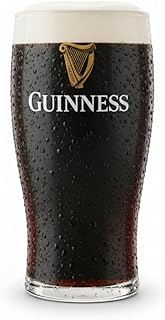


Nitrogen: Nitrogen is used in the pouring process, creating the beer's signature cascading effect and creamy texture
Nitrogen plays a crucial role in the pouring process of Guinness beer, contributing to its iconic cascading effect and creamy texture. Unlike other beers that primarily use carbon dioxide for carbonation, Guinness incorporates nitrogen, which is a key element in creating its distinctive characteristics. When poured, the nitrogen bubbles rise to the surface, forming a thick, creamy head that is both visually appealing and enhances the drinking experience.
The use of nitrogen in Guinness beer dates back to the early 20th century when the brewery began experimenting with different gases to improve the quality of their stout. Nitrogen was found to provide a smoother, more velvety texture compared to carbon dioxide, which tended to produce a harsher, more acidic taste. Additionally, nitrogen is less soluble in water than carbon dioxide, which means it stays in the beer longer, maintaining the creamy head throughout the drinking process.
One of the challenges in using nitrogen for beer carbonation is that it requires specialized equipment and techniques. The nitrogen must be carefully controlled to ensure the right balance between carbonation and texture. Too much nitrogen can result in a beer that is overly creamy and lacks the proper carbonation, while too little can lead to a flat, lifeless drink. Guinness has perfected this process over the years, resulting in a beer that is renowned for its quality and consistency.
In addition to its role in the pouring process, nitrogen also contributes to the overall flavor profile of Guinness beer. The creamy texture created by the nitrogen bubbles helps to balance the bitterness of the hops and the richness of the roasted barley, resulting in a smooth, well-rounded taste. This unique combination of flavors and textures is what sets Guinness apart from other stouts and has made it a beloved beverage around the world.
In conclusion, nitrogen is a vital ingredient in Guinness beer, playing a key role in creating its signature cascading effect, creamy texture, and distinctive flavor profile. The careful control and use of nitrogen in the pouring process have helped to establish Guinness as a leader in the stout category and have contributed to its enduring popularity.
Exploring the Richness: What Style of Beer is Guinness?
You may want to see also
Frequently asked questions
The main ingredients in Guinness beer include water, barley malt, roasted unmalted barley, hops, and yeast.
Guinness beer does not contain wheat. However, it does contain barley, which has gluten. Therefore, it is not suitable for people with celiac disease or gluten intolerance.
Guinness beer does not contain added sugars. The sweetness comes from the malted barley during the brewing process.