Harmony Chandler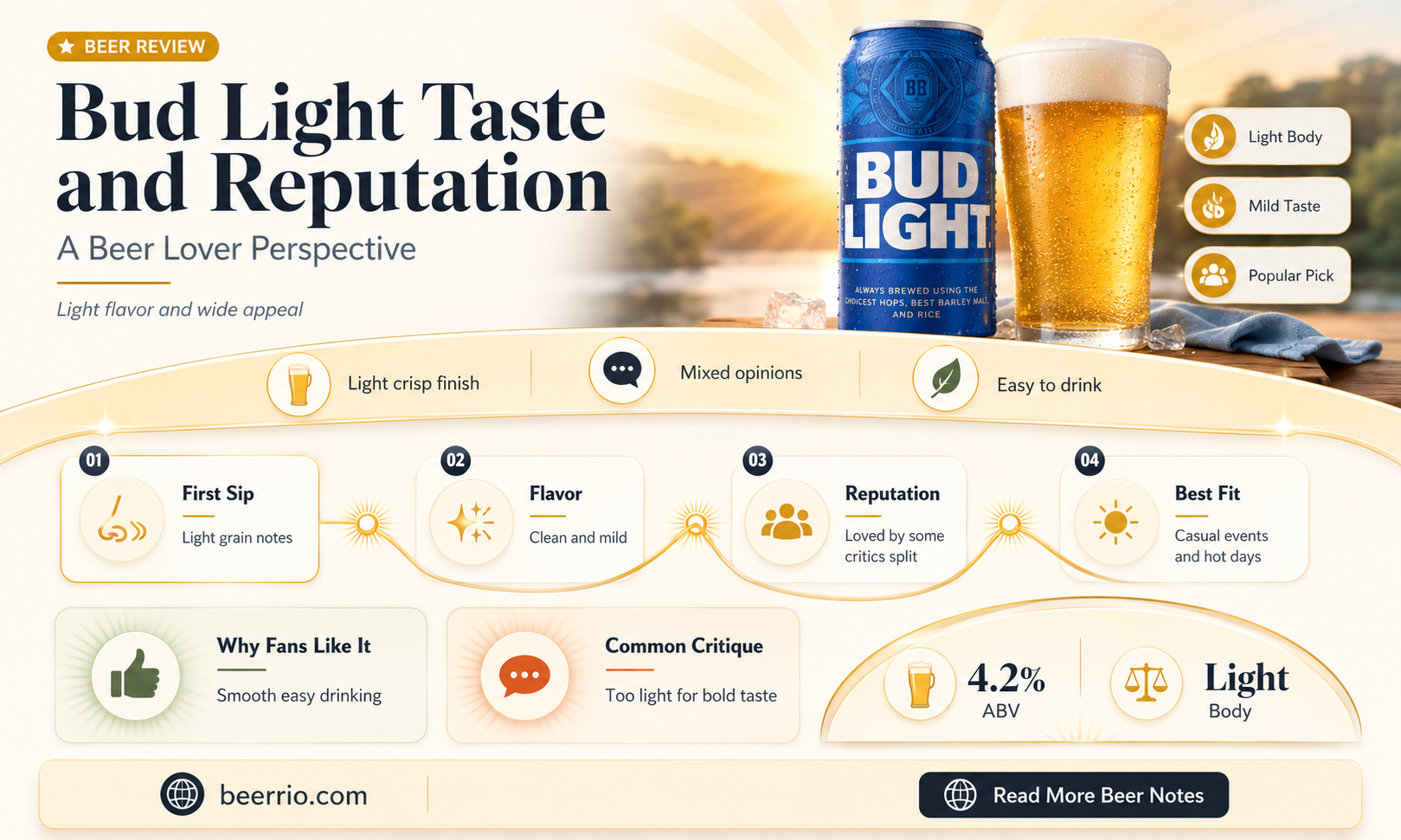
Bud Light is a popular American light lager beer that has been a staple in the country's beer market for decades. Known for its crisp, refreshing taste and relatively low calorie count, Bud Light has become a go-to choice for many casual beer drinkers. However, opinions on its quality vary widely among beer enthusiasts. Some praise its consistency and easy drinkability, while others criticize it for lacking the depth and complexity of flavor found in other beers. The question of whether Bud Light is a good beer ultimately comes down to personal preference and what one values in a beer.
Explore related products


What You'll Learn

Taste and flavor profile
Bud Light's taste and flavor profile is characterized by its light, crisp, and refreshing qualities. The beer has a subtle malt sweetness with a clean finish, making it a popular choice for those who prefer a milder beer. Its low bitterness and smooth texture contribute to its easy drinkability, often described as having a "watery" mouthfeel. This profile is achieved through a brewing process that emphasizes simplicity and consistency, using a limited number of ingredients to create a balanced and approachable beer.
One of the key aspects of Bud Light's flavor profile is its ability to complement a wide range of foods without overpowering them. Its light body and neutral taste make it a versatile pairing for various cuisines, from casual fast food to more sophisticated dishes. This adaptability has contributed to its widespread appeal and popularity in social settings and dining experiences.
Critics of Bud Light often argue that its flavor profile lacks complexity and depth compared to other beers. They may describe it as bland or lacking in character, preferring beers with more pronounced hop bitterness, malt richness, or unique flavor notes. However, proponents of Bud Light counter that its simplicity is a strength, offering a consistent and reliable taste that is easy to enjoy in various contexts.
In terms of its place within the beer market, Bud Light's taste and flavor profile position it as a light lager, distinct from other categories such as IPAs, stouts, or wheat beers. Its brewing process and ingredient selection are tailored to create a beer that is both accessible and appealing to a broad audience, prioritizing drinkability and refreshment over bold flavors or high alcohol content.
Ultimately, whether Bud Light is considered a "good" beer is subjective and depends on individual preferences. For those who appreciate its light, crisp taste and easy drinkability, it can be an enjoyable and satisfying choice. For others who seek more complex flavors or a stronger beer experience, Bud Light may not meet their expectations.
Perfect Pairings: Discover What Goes Great with Ginger Beer
You may want to see also
Explore related products




Alcohol content and calories
Bud Light, a popular American light lager, is known for its lower calorie and alcohol content compared to regular beers. It contains approximately 4.2% alcohol by volume (ABV), which is slightly lower than the average ABV of 5% found in most beers. This makes it a suitable choice for those who prefer a milder beer or are looking to reduce their alcohol intake.
In terms of calories, Bud Light is a good option for those who are calorie-conscious. It contains about 110 calories per 12-ounce serving, which is significantly lower than the average 150-200 calories found in regular beers. This lower calorie count is achieved through the use of rice as an adjunct to barley, which reduces the overall carbohydrate content of the beer.
However, it's important to note that while Bud Light may be lower in calories and alcohol, it still contains some amount of both. Therefore, it's essential to consume it in moderation as part of a balanced diet and lifestyle. Additionally, the lower alcohol content may not be suitable for those who prefer a stronger beer or are looking for a more intense flavor profile.
When comparing Bud Light to other light beers, it's clear that it stands out in terms of its balance between taste and health-conscious attributes. Many light beers sacrifice flavor for lower calories and alcohol, but Bud Light manages to maintain a crisp, refreshing taste while still offering a more health-friendly option.
In conclusion, Bud Light can be considered a good beer for those who are looking for a lower calorie and alcohol option without sacrificing taste. However, it's important to remember that moderation is key, and it may not be suitable for everyone's preferences or dietary needs.
Mastering the Art of Beer Pong: Tips and Tricks to Dominate the Table
You may want to see also
Explore related products


Brand reputation and history
Bud Light, a product of Anheuser-Busch, has a storied history that dates back to the early 20th century. Initially introduced as a light beer option, it has since become one of the most popular beers in the United States. The brand's reputation is built on its consistency and mass appeal, catering to a wide range of consumers. Over the years, Bud Light has been associated with various marketing campaigns, including the famous "Bud Light: The Great American Taste" slogan, which aimed to position the beer as a quintessential American choice.
Despite its popularity, Bud Light has faced criticism from some beer enthusiasts who argue that its taste is too bland or that it lacks the complexity of craft beers. However, the brand has maintained a strong market presence, partly due to its extensive distribution network and aggressive marketing strategies. In recent years, Bud Light has also been involved in several controversies, such as the backlash over its partnership with transgender influencer Dylan Mulvaney, which led to a boycott by some consumers.
One unique aspect of Bud Light's brand reputation is its association with sports and entertainment. The beer is often seen as a staple at sporting events, concerts, and parties, which has helped to solidify its image as a social lubricant. Additionally, Bud Light has sponsored various sports teams and events, further reinforcing its connection to the sports and entertainment industries.
In terms of history, Bud Light has evolved significantly since its inception. Originally introduced as a low-calorie beer option, it has since expanded its product line to include various flavors and styles, such as Bud Light Lime, Bud Light Orange, and Bud Light Platinum. These innovations have helped to keep the brand relevant and appealing to a diverse consumer base.
Overall, Bud Light's brand reputation and history are characterized by its mass appeal, consistency, and ability to adapt to changing consumer preferences. While it may not be the preferred choice of all beer enthusiasts, it remains a dominant force in the American beer market.
Exploring the Taste and Health Benefits of Michelob Ultra Beer
You may want to see also
Explore related products



Comparison to other light beers
When comparing Bud Light to other light beers, it's essential to consider the defining characteristics that set it apart. Bud Light, with its crisp, clean taste and 4.2% ABV, is a quintessential example of an American light lager. Its brewing process involves a combination of rice and barley malt, which contributes to its light color and smooth finish. This beer is often compared to other popular light beers like Coors Light and Miller Lite, which also boast low calorie counts and similar ABVs. However, Bud Light's unique flavor profile, which balances a subtle hop bitterness with a malty sweetness, distinguishes it from its competitors.
One of the key factors in evaluating Bud Light's quality is its market positioning. As one of the best-selling beers in the United States, it has established itself as a mainstream favorite, appealing to a wide range of palates. This popularity can be attributed to its versatility; Bud Light pairs well with a variety of foods, from casual bar snacks to more sophisticated dishes. Its light, refreshing nature makes it an ideal choice for outdoor activities, such as barbecues and sporting events, where a crisp, cold beer is often desired.
In terms of nutritional content, Bud Light is comparable to other light beers, with approximately 110 calories per 12-ounce serving. However, it's important to note that while light beers may be lower in calories, they often contain similar amounts of carbohydrates and alcohol as their regular counterparts. Therefore, when considering Bud Light's health implications, it's crucial to consume it in moderation as part of a balanced diet.
Another aspect to consider when comparing Bud Light to other light beers is its cultural significance. As a product of Anheuser-Busch, one of the largest brewing companies in the world, Bud Light has become synonymous with American beer culture. Its extensive marketing campaigns, including memorable Super Bowl commercials and sponsorships of major sporting events, have cemented its status as a cultural icon. This widespread recognition contributes to its appeal, as many consumers associate Bud Light with fun, social gatherings and memorable experiences.
Ultimately, whether Bud Light is considered a "good" beer is subjective and depends on individual preferences. However, its unique taste, market positioning, nutritional content, and cultural significance make it a standout choice among light beers. When compared to its competitors, Bud Light offers a distinct combination of flavor, versatility, and brand recognition that continues to attract a loyal following.
Exploring the Rich Flavor Profile of Guinness Beer: A Connoisseur's Delight
You may want to see also
Explore related products


Consumer reviews and ratings
On the other hand, some beer enthusiasts criticize Bud Light for its perceived lack of flavor and depth, often describing it as watery or bland. These detractors argue that the beer's low calorie and carbohydrate content come at the expense of taste, and that there are better options available for those seeking a more robust beer experience.
When analyzing consumer reviews, it's important to consider the context in which the ratings are given. For example, a review from a casual drinker may prioritize factors such as price and ease of drinking, while a review from a beer connoisseur may focus more on the beer's flavor profile and brewing technique. Additionally, factors such as the reviewer's personal preferences, the setting in which the beer was consumed, and even the temperature at which it was served can all influence the final rating.
To get a more comprehensive understanding of Bud Light's consumer reviews, it's helpful to look at aggregate ratings from multiple sources. Websites such as BeerAdvocate and RateBeer provide platforms for users to submit their own reviews and ratings, which can then be compiled into an overall score. These aggregate ratings can give a more balanced view of the beer, taking into account the diverse opinions of a large number of consumers.
In conclusion, consumer reviews and ratings for Bud Light are varied and reflect the different priorities and preferences of individual drinkers. While some praise the beer for its light taste and affordability, others criticize it for its perceived lack of flavor. By considering the context in which reviews are given and looking at aggregate ratings from multiple sources, it's possible to get a more nuanced understanding of Bud Light's place in the beer market.
Exploring the Health Benefits of Sour Beer: A Comprehensive Guide
You may want to see also
Frequently asked questions
The perception of whether Bud Light is a good beer is highly subjective and varies from person to person. Some people enjoy its light, crisp taste and consider it a refreshing option, especially in warm weather or for casual drinking. Others may prefer beers with more complex flavors and higher alcohol content.
Bud Light is known for its light, clean taste with a subtle hop bitterness. It has a smooth finish and is often described as easy to drink. The beer's flavor profile is designed to be approachable and not overpowering, making it a popular choice for those who prefer milder beers.
Bud Light is one of the most popular light beers and is known for its relatively low calorie and alcohol content. As of my last update, a 12-ounce serving of Bud Light contains around 110 calories and 4.2% alcohol by volume (ABV). Compared to other light beers, Bud Light is often similar or slightly lower in calories and ABV, making it a competitive option for those watching their intake.
Bud Light's light and crisp taste makes it a versatile beer for pairing with various foods. It is often enjoyed with lighter fare such as salads, seafood, and chicken dishes. The beer's subtle hop bitterness can complement the flavors of grilled foods and spicy dishes without overpowering them. Additionally, Bud Light is a popular choice for casual gatherings and barbecues where a refreshing, easy-to-drink beer is desired.
Bud Light is not typically considered a craft beer. Craft beers are generally defined as those produced by smaller, independent breweries using traditional brewing methods and often featuring unique or experimental flavors. Bud Light, on the other hand, is produced by Anheuser-Busch, a large, well-established brewery, and is known for its consistent, mass-produced taste. While the definition of craft beer can vary, Bud Light is generally classified as a mainstream, commercial beer rather than a craft beer.