Beatrix Montes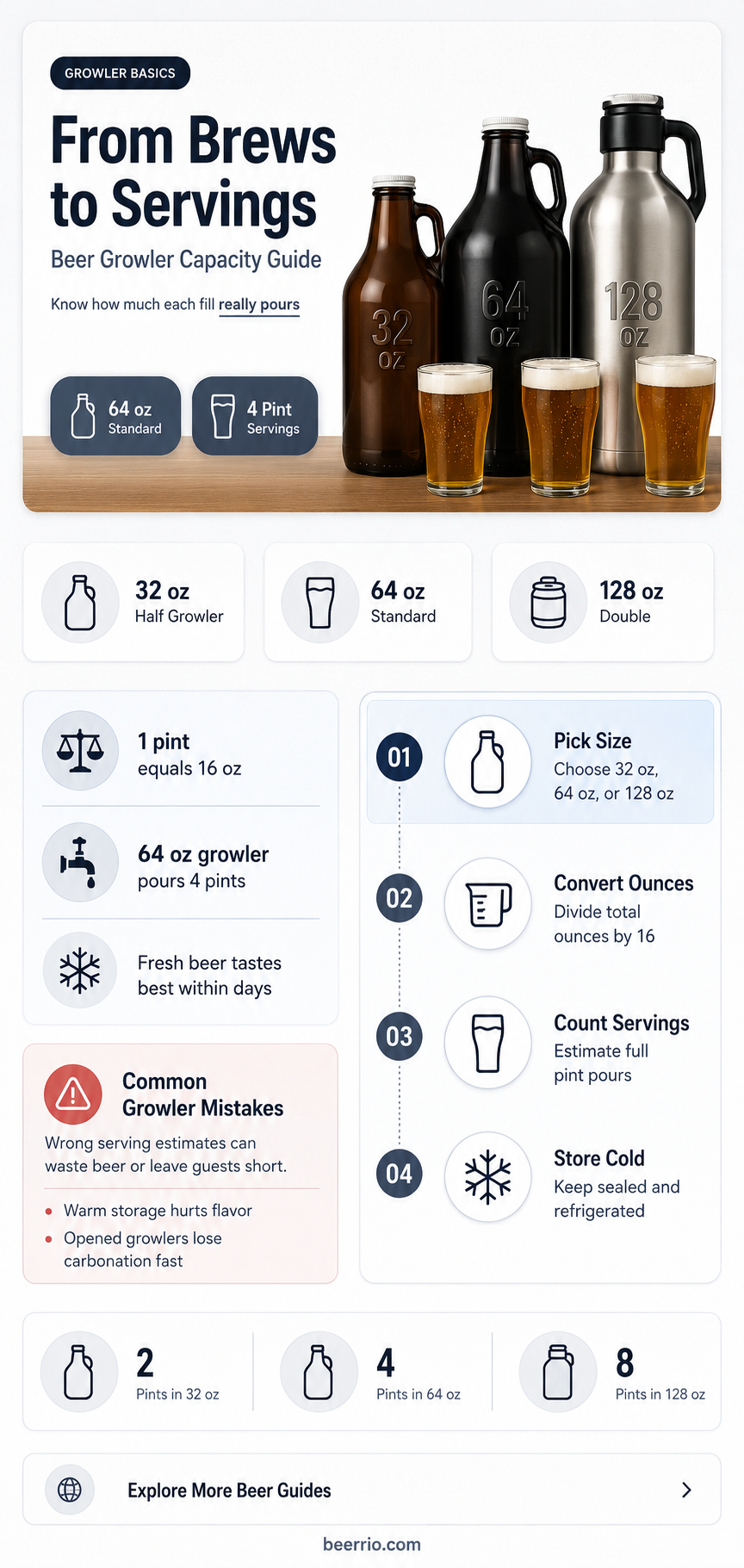
A beer growler is a container used to transport draft beer from a brewery or bar to the consumer's home. Typically made of glass, stainless steel, or aluminum, growlers come in various sizes, which can affect the number of servings they contain. The standard size for a growler is 64 ounces, which is equivalent to four pints. Assuming an average serving size of 12 ounces, a 64-ounce growler would contain approximately 5.33 servings. However, serving sizes can vary depending on personal preference or the type of beer being consumed. Some craft beers, for example, may be served in smaller portions due to their higher alcohol content or unique flavors. Understanding the serving size of a growler is essential for responsible consumption and planning purposes, whether you're hosting a gathering or simply enjoying a few drinks at home.
Explore related products


What You'll Learn

Definition of a beer growler
A beer growler is a container used to transport draft beer from a brewery, pub, or beer store to the consumer's home. It is typically made of glass, stainless steel, or aluminum and comes in various sizes, most commonly 64 ounces (1.89 liters) or 32 ounces (0.95 liters). The growler is filled directly from a keg and sealed to maintain the beer's freshness and carbonation.
The concept of a growler has its roots in the early 20th century when workers would bring home beer in metal pails or jugs. The term "growler" itself is believed to have originated from the sound the carbonated beer makes when poured into the container. Today, growlers are popular among beer enthusiasts who appreciate the ability to enjoy fresh, draft-quality beer at home.
One of the key benefits of using a growler is the environmental impact. By refilling a reusable container, consumers can reduce waste from single-use bottles and cans. Additionally, growlers often provide a more economical option for purchasing beer, as the cost per ounce is typically lower than buying individual bottles or cans.
When it comes to the number of servings in a beer growler, it depends on the size of the growler and the serving size. A standard serving of beer is 12 ounces (0.35 liters). Therefore, a 64-ounce growler would contain approximately 5.33 servings, while a 32-ounce growler would contain about 2.67 servings. However, serving sizes can vary depending on the type of beer and personal preference.
To maintain the quality of the beer in a growler, it is important to store it properly. The growler should be kept in a cool, dark place and consumed within a few days of filling. Some growlers come with a built-in CO2 release valve to help maintain carbonation, but it is still best to consume the beer relatively quickly to ensure optimal taste and freshness.
Exploring the Diverse Beer Selection at Ms. Soleyes: A Comprehensive Guide
You may want to see also
Explore related products
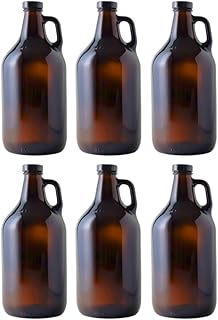


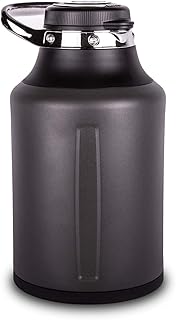
Standard sizes of beer growlers
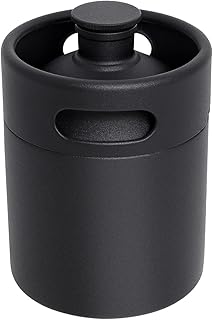
In the realm of craft beer, growlers serve as a bridge between the brewery and the beer enthusiast's home. These containers come in various sizes, each catering to different needs and preferences. The most common sizes include the 32-ounce (946 ml) and 64-ounce (1.89 liters) growlers, which are often made of glass or stainless steel. The 32-ounce growler is typically good for 2-3 servings of beer, depending on the pour size, while the 64-ounce growler can provide 4-6 servings. These sizes are convenient for individuals or small groups looking to enjoy fresh beer over a few days.
Less frequently encountered are the 16-ounce (473 ml) and 128-ounce (3.78 liters) growlers. The 16-ounce growler is ideal for a single serving or for those who prefer a smaller quantity, perhaps due to space constraints or to sample multiple beers. On the other end of the spectrum, the 128-ounce growler is a party favorite, capable of serving 8-10 people with generous pours. It's also popular among homebrewers who need larger quantities for their brewing experiments.
The choice of growler size depends on several factors, including personal consumption habits, the number of people sharing the beer, and the type of beer being stored. For instance, a hoppy IPA might be best enjoyed fresh and thus a smaller growler could be preferred, while a robust stout could benefit from the larger format, allowing it to age and develop its flavors over time.
When selecting a growler, it's important to consider the material as well. Glass growlers are visually appealing and allow you to see the beer inside, but they are heavier and more prone to breakage. Stainless steel growlers, on the other hand, are more durable and better at preserving the beer's freshness due to their airtight seal and resistance to light and oxygen. However, they can be more expensive and may not be as widely available.
In conclusion, the standard sizes of beer growlers offer a range of options to suit different tastes and occasions. Whether you're a casual drinker or a serious beer aficionado, there's a growler size that's right for you. By understanding the various sizes and their uses, you can make an informed choice and ensure that you're always enjoying your beer at its best.
From Barrel to Pint: Understanding Beer Servings and Measurements
You may want to see also
Explore related products


Conversion of growler sizes to servings
A standard beer growler typically holds 64 ounces of liquid, which is equivalent to four pints. Given that a typical serving size for beer is 12 ounces, a growler would contain approximately 5.33 servings. However, it's important to note that serving sizes can vary depending on the type of beer and personal preference. For example, some craft beers may be served in smaller portions due to their higher alcohol content or unique flavors.
To convert growler sizes to servings, you can use the following formula:
Growler size (in ounces) ÷ Serving size (in ounces) = Number of servings
For instance, if you have a 32-ounce growler and prefer 16-ounce servings, you would divide 32 by 16 to get two servings. This formula can be adjusted for any growler size and serving preference.
It's also worth considering that some breweries may offer different growler sizes, such as 32 ounces, 64 ounces, or even larger. Be sure to check with your local brewery for their specific growler sizes and serving recommendations.
When it comes to sharing a growler with friends or family, it's helpful to know how many servings you can expect to get. This way, you can plan accordingly and ensure that everyone gets a fair share. Additionally, knowing the serving size can help you gauge how much beer you'll need for a gathering or event.
In summary, converting growler sizes to servings is a simple process that involves dividing the growler size by the serving size. This information can be useful for planning gatherings, sharing with others, and ensuring that you get the most out of your growler.
Pour Your Own: The Ins and Outs of Self-Serve Beer Systems
You may want to see also
Explore related products




Factors affecting serving count
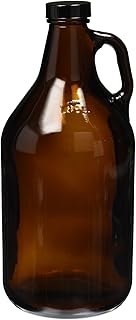
The serving count of a beer growler can be influenced by several factors, each playing a crucial role in determining how many servings you can expect from a single growler. One of the primary factors is the size of the growler itself. Growlers typically come in 32-ounce, 64-ounce, and sometimes 128-ounce sizes. The larger the growler, the more servings it will contain, assuming a standard serving size.
Another significant factor is the serving size, which can vary depending on the type of beer and personal preference. A standard serving of beer is generally considered to be 12 ounces, but some craft beers may be served in smaller quantities due to their higher alcohol content or unique flavors. Additionally, personal tolerance and the occasion can influence how much beer an individual chooses to consume in one serving.
The carbonation level of the beer is also a contributing factor. Beers with higher carbonation tend to be more filling, which can lead to fewer servings per growler. Conversely, beers with lower carbonation may allow for more servings, as they are less likely to make the drinker feel full quickly.
Lastly, the type of beer can impact the serving count. For example, stouts and porters are typically richer and more robust, which may lead to smaller serving sizes. On the other hand, lighter beers such as lagers and pilsners are often consumed in larger quantities, potentially increasing the number of servings per growler.
In conclusion, the serving count of a beer growler is determined by a combination of factors, including the growler size, serving size, carbonation level, and type of beer. By understanding these factors, beer enthusiasts can better estimate how many servings they can expect from a single growler and plan their consumption accordingly.
Exploring the Brews: A Guide to Oktoberfest's Beer Selection
You may want to see also
Explore related products


Typical beer serving sizes
In the realm of craft beer enthusiasts, understanding typical beer serving sizes is crucial for enjoying the perfect pour. A standard beer serving, often referred to as a "pint," typically contains 16 ounces (473 milliliters) of liquid. However, the term "pint" can be misleading, as it originally referred to a unit of volume in the British Imperial system, which is slightly larger at 20 ounces (568 milliliters). In the United States, the 16-ounce pint has become the norm for draft beer servings in most bars and restaurants.
When it comes to bottled or canned beer, serving sizes can vary widely. Many craft beers are sold in 12-ounce (355 milliliters) bottles or cans, which is considered a standard serving size for these types of beverages. Some specialty beers, such as Belgian ales or imperial stouts, may be sold in larger formats like 22-ounce (650 milliliters) bottles or even 750-milliliter bottles, which are often intended for sharing or sipping over an extended period.
For those who prefer to enjoy their beer at home, a growler is a popular option. A growler typically holds 64 ounces (1.89 liters) of beer, which is equivalent to four pints. This makes it an ideal choice for sharing with friends or family, or for those who want to enjoy multiple servings over the course of a few days. When filling a growler, it's important to note that the beer should be consumed within a few days to maintain its freshness and flavor.
In recent years, some breweries have started offering smaller serving sizes, such as 8-ounce (237 milliliters) or 10-ounce (296 milliliters) pours, which are often referred to as "half-pints" or "snifters." These smaller servings are perfect for those who want to sample multiple beers without committing to a full pint, or for those who prefer to enjoy their beer in smaller, more manageable portions.
Ultimately, understanding typical beer serving sizes is essential for any beer enthusiast. Whether you're enjoying a pint at your local bar, sipping on a bottle at home, or sharing a growler with friends, knowing the standard serving sizes will help you make the most of your beer-drinking experience.
Cicerone Certified: A Growing Community of Beer Enthusiasts
You may want to see also
Frequently asked questions
A standard beer growler usually contains 64 ounces, which is equivalent to about 4 pints or 8 half-pints. This typically amounts to around 4-6 servings, depending on the size of the serving.
The average serving size from a growler is usually 12-16 ounces, which is equivalent to a pint or a half-pint, respectively.
Yes, the number of servings in a growler can vary slightly based on the type of beer. For example, a lighter beer with a lower alcohol content may have more servings per growler than a stronger, higher alcohol content beer.
To calculate the number of servings in a growler, divide the total volume of the growler (usually 64 ounces) by the size of your desired serving (e.g., 12 ounces for a pint or 16 ounces for a half-pint).
Factors that might affect the number of servings from a growler include the size of the serving, the type of beer (as some beers may have different serving sizes based on alcohol content or style), and how carefully the beer is poured to minimize foam and waste.