Harmony Chandler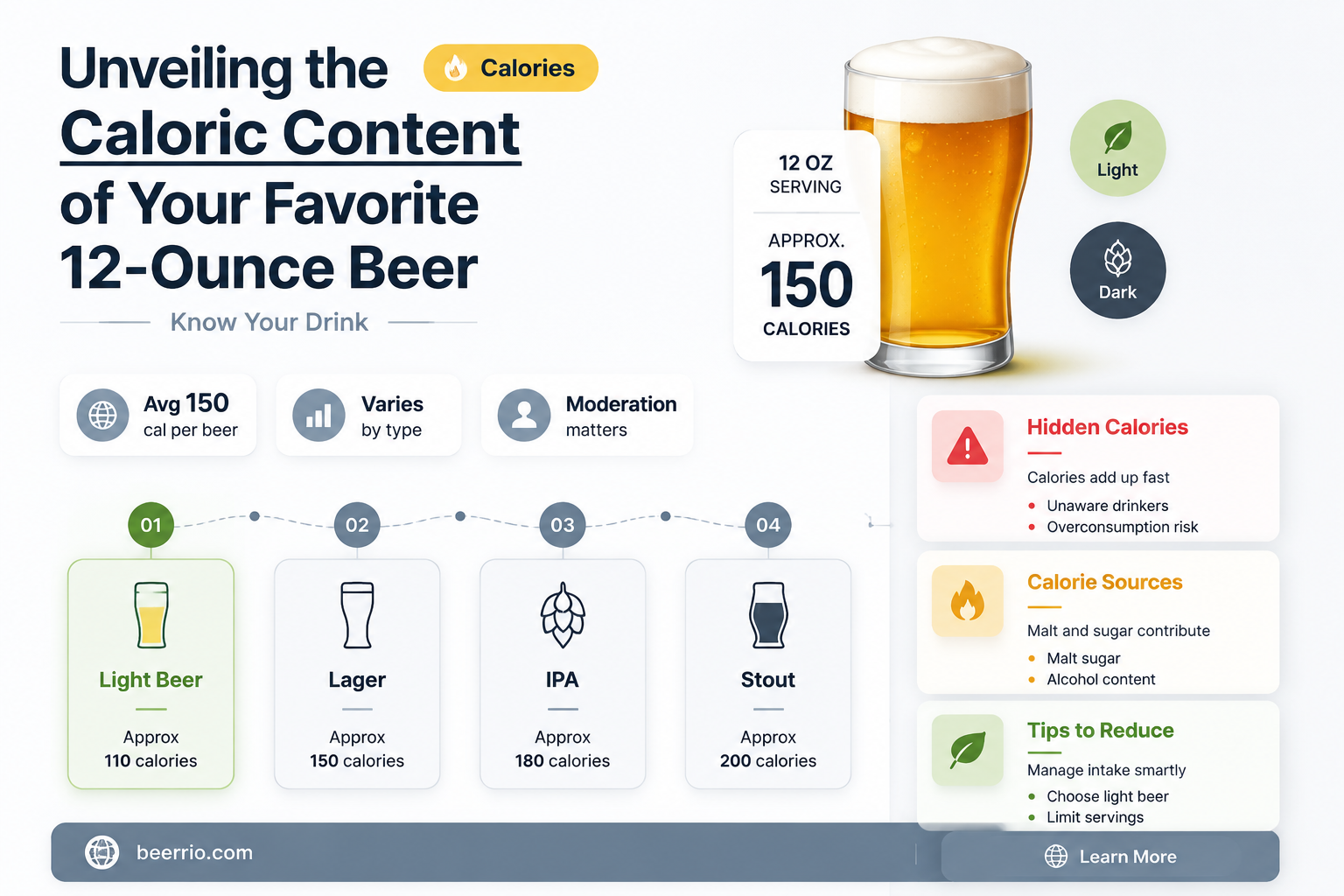
A regular 12-ounce beer typically contains around 150 calories. This calorie count can vary slightly depending on the specific type and brand of beer, with lighter beers generally having fewer calories and heavier, more robust beers containing more. It's important to note that these calories come primarily from carbohydrates and alcohol, with minimal protein and fat content. Understanding the calorie content of beer can be helpful for those monitoring their dietary intake or trying to make healthier beverage choices.
Explore related products




What You'll Learn
- Calorie Content: A regular 12-ounce beer typically contains around 150 calories
- Nutritional Information: Beer is primarily composed of water, carbohydrates, and alcohol, with minimal protein and fat
- Alcohol by Volume (ABV): The calorie count can vary based on the beer's ABV, with higher ABV beers generally having more calories
- Types of Beer: Different beer styles, such as lagers, ales, and stouts, can have varying calorie contents
- Health Considerations: Consuming beer in moderation is key, as excessive intake can lead to weight gain and other health issues

Calorie Content: A regular 12-ounce beer typically contains around 150 calories
A regular 12-ounce beer typically contains around 150 calories, which is a significant amount considering the average daily caloric intake for an adult. This calorie content can vary depending on the type of beer, with lighter beers generally having fewer calories and darker, more robust beers having more. For instance, a light lager might contain around 100 calories per 12 ounces, while an imperial stout could have upwards of 300 calories.
The calorie content in beer primarily comes from the carbohydrates and alcohol it contains. Alcohol is more calorie-dense than carbohydrates, providing about 7 calories per gram compared to 4 calories per gram for carbohydrates. Therefore, beers with higher alcohol content will generally have more calories. Additionally, the brewing process and the ingredients used, such as malt, hops, and yeast, can also influence the final calorie count.
For those monitoring their caloric intake, it's essential to consider the calorie content of beer in their diet. Consuming a single 12-ounce beer with 150 calories might not seem significant, but it can add up quickly, especially during social gatherings or sporting events where multiple beers might be consumed. To put this into perspective, consuming three 12-ounce beers would equate to approximately 450 calories, which is a substantial portion of the recommended daily caloric intake for many individuals.
It's also worth noting that the calorie content of beer can impact weight management and overall health. Regularly consuming high-calorie beers without accounting for them in one's diet can lead to weight gain and other health issues. Therefore, it's crucial for individuals to be aware of the calorie content of their beverages and to consume them in moderation as part of a balanced diet.
In summary, a regular 12-ounce beer typically contains around 150 calories, with variations depending on the type and brewing process. Understanding the calorie content of beer is essential for those monitoring their caloric intake and striving to maintain a healthy lifestyle. By being mindful of the calorie content and consuming beer in moderation, individuals can enjoy their favorite beverages while still adhering to their dietary goals.
Savoring Summer: The Caloric Scoop on Radler Grapefruit Beer
You may want to see also
Explore related products


Nutritional Information: Beer is primarily composed of water, carbohydrates, and alcohol, with minimal protein and fat
Beer, a popular alcoholic beverage, is primarily composed of water, carbohydrates, and alcohol, with minimal protein and fat. Understanding the nutritional content of beer is essential for those monitoring their calorie intake. A regular 12-ounce beer typically contains around 150 calories, with the majority of these calories coming from carbohydrates and alcohol.
The calorie content of beer can vary depending on the type and brewing process. For instance, light beers may have fewer calories, around 100-120 per 12-ounce serving, while craft beers and ales can have significantly more, ranging from 200-300 calories or more per serving. The alcohol by volume (ABV) percentage also plays a role in calorie content, as higher ABV beers generally contain more calories.
It's important to note that while beer does contain some B vitamins and minerals like silicon, its nutritional value is relatively low compared to other beverages. The carbohydrates in beer are primarily in the form of maltose, which is a simple sugar that can quickly raise blood sugar levels. Additionally, the alcohol content can contribute to empty calories, providing energy without essential nutrients.
For those looking to reduce their calorie intake while still enjoying beer, there are several strategies to consider. Choosing lighter beers with lower ABV percentages can help reduce overall calorie consumption. Additionally, alternating between beer and water or other low-calorie beverages can help moderate intake. It's also important to be mindful of portion sizes and to balance beer consumption with a healthy diet and regular exercise.
In summary, while beer can be a part of a balanced diet in moderation, it's essential to be aware of its nutritional content and calorie count. By making informed choices and practicing moderation, individuals can enjoy beer while still maintaining a healthy lifestyle.
Exploring the Caloric Content of Rainier Beer: A Nutritional Insight
You may want to see also
Explore related products



![[Pack of 6] [Japan No. 1 Best NA Beer] ASAHI 0.00% Non-Alcohol, Premium Japanese Beer Beverage, , Zero Calories And Gluten Free (DRY ZERO)](https://m.media-amazon.com/images/I/91m326F7sRL._AC_UL320_.jpg)
Alcohol by Volume (ABV): The calorie count can vary based on the beer's ABV, with higher ABV beers generally having more calories
The calorie content in beer is directly influenced by its Alcohol by Volume (ABV), which is a measure of the amount of alcohol present in the beer. Generally, beers with higher ABV tend to have more calories. This is because alcohol itself is a source of calories, with each gram of alcohol providing approximately 7 calories. Therefore, a beer with a higher ABV will contribute more calories from alcohol alone.
For instance, a typical light beer with an ABV of around 4% may contain roughly 100-120 calories per 12-ounce serving. In contrast, a beer with a higher ABV, such as an India Pale Ale (IPA) or a stout, which can have an ABV ranging from 6% to 10% or more, may contain between 180-250 calories or even higher per serving. This significant difference in calorie content is primarily due to the variation in alcohol concentration.
It's important to note that the calorie count in beer also depends on other factors such as the type and amount of malt used, the brewing process, and the presence of additional ingredients like hops, yeast, and adjuncts. However, ABV remains a key determinant of the overall calorie content.
When considering the calorie intake from beer, it's essential to be aware of the ABV and to consume responsibly. For individuals who are health-conscious or watching their calorie intake, opting for lower ABV beers or enjoying higher ABV beers in moderation can be a practical approach. Additionally, many breweries now provide detailed nutritional information on their products, which can help consumers make informed choices about their beer consumption.
In summary, the relationship between ABV and calorie count in beer is a critical factor to consider when evaluating the nutritional content of different types of beer. Higher ABV beers generally have more calories, primarily due to the increased alcohol content. Understanding this relationship can help individuals make more informed decisions about their beer choices and overall calorie intake.
Exploring the Caloric Content of Your Favorite Quart of Beer
You may want to see also
Explore related products



Types of Beer: Different beer styles, such as lagers, ales, and stouts, can have varying calorie contents
Lagers, ales, and stouts are among the most popular types of beer, each with its own distinct flavor profile and brewing process. When it comes to calorie content, these beer styles can vary significantly. Lagers, for example, are typically lighter in calories due to their crisp and clean taste, which is achieved through a longer fermentation process at lower temperatures. This results in a beer that is usually around 100-150 calories per 12-ounce serving.
Ales, on the other hand, are generally more calorie-dense than lagers. This is because ales are brewed at higher temperatures, which allows for more complex flavors to develop. The increased malt content in ales also contributes to their higher calorie count, typically ranging from 150-200 calories per 12-ounce serving.
Stouts are the heaviest of the three beer styles in terms of calories. These dark, rich beers are brewed with a higher proportion of malted barley, which gives them their distinctive flavor and color. The calorie content of stouts can vary widely, but they often contain between 200-300 calories per 12-ounce serving.
It's important to note that these are general estimates, and the actual calorie content of a specific beer can vary depending on the brewery and the recipe used. For those who are watching their calorie intake, it's always a good idea to check the nutrition label or consult with the brewery directly to get accurate information about the calorie content of a particular beer.
Exploring the Caloric Content of Ranger IPA Beer
You may want to see also
Explore related products


Health Considerations: Consuming beer in moderation is key, as excessive intake can lead to weight gain and other health issues
While enjoying a cold beer can be a pleasurable experience, it's essential to consider the health implications of regular consumption. The calories in beer can add up quickly, contributing to weight gain if not managed properly. A standard 12-ounce beer typically contains around 150 calories, which may seem insignificant on its own but can become substantial when consumed in excess.
Moderation is key when it comes to beer consumption. The Dietary Guidelines for Americans recommend that adults who choose to drink alcohol should do so in moderation, which is defined as up to one drink per day for women and up to two drinks per day for men. Exceeding these limits can lead to a range of health problems, including liver disease, heart disease, and certain types of cancer.
In addition to the calorie content, beer also contains carbohydrates and alcohol, which can have different effects on the body. Carbohydrates provide energy but can also contribute to weight gain if consumed in excess. Alcohol, on the other hand, is a depressant that can impair judgment and coordination, and it also contains empty calories that offer little nutritional value.
To maintain a healthy balance, it's important to be mindful of portion sizes and to choose lower-calorie beer options when possible. Light beers and non-alcoholic beers can be good alternatives for those who want to enjoy the taste of beer without the added calories and alcohol content. It's also a good idea to pair beer with healthy snacks, such as fruits and vegetables, to help offset the calorie intake.
Ultimately, the key to enjoying beer while maintaining a healthy lifestyle is moderation and awareness. By being mindful of portion sizes, choosing lower-calorie options, and balancing beer consumption with a healthy diet and regular exercise, it's possible to enjoy the occasional beer without compromising overall health.
Exploring the Caloric Content of Radler Beer: A Refreshing Blend
You may want to see also
Frequently asked questions
A regular 12-ounce beer typically contains around 150 calories.
The calorie content of beer can be influenced by factors such as the type of beer, its alcohol content, and the ingredients used in its production.
Yes, there are low-calorie beer options available, often labeled as "light" beers, which can have significantly fewer calories than regular beers.
The alcohol content of beer contributes to its calorie count. Generally, beers with higher alcohol content will have more calories.
Sure, for example, a 12-ounce serving of Budweiser contains approximately 145 calories.