Beatrix Montes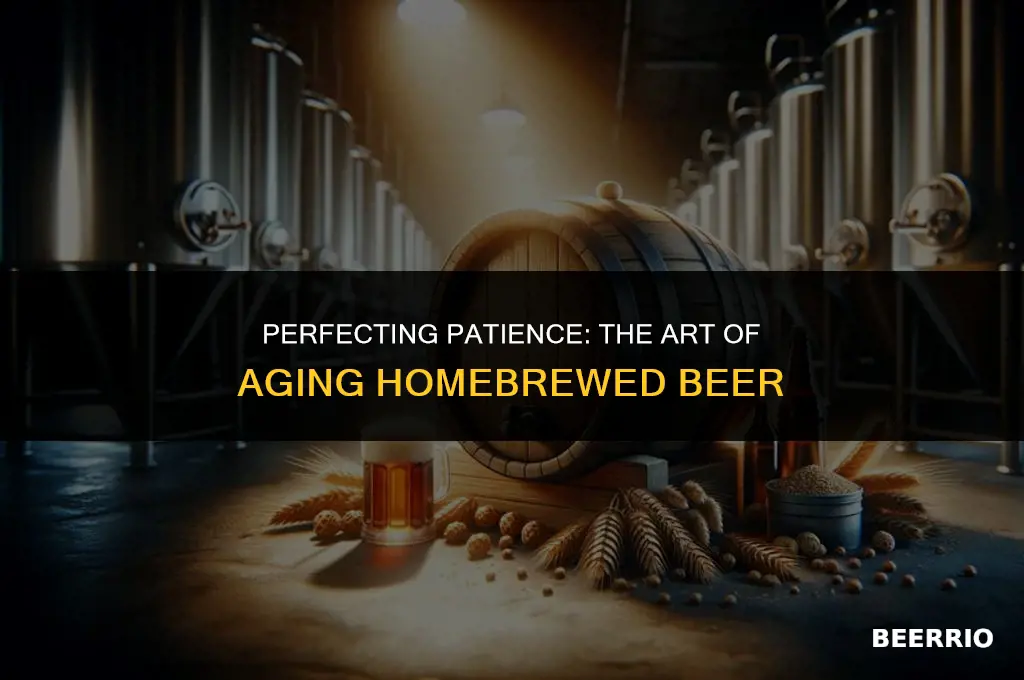
After bottling beer, it's crucial to allow it to sit for a period to ensure proper carbonation and flavor development. The duration can vary depending on several factors, including the type of beer, the bottling method, and the desired level of carbonation. Generally, beers should be allowed to sit for at least 2-4 weeks after bottling to achieve the optimal balance of flavors and carbonation. During this time, the yeast in the beer continues to ferment the sugars, producing carbon dioxide and enhancing the beer's taste. It's important to store the beer in a cool, dark place during this period to prevent spoilage and ensure consistent results.
Explore related products


What You'll Learn
- Factors Affecting Aging Time: Temperature, beer type, and bottling method influence how long beer should sit
- Ideal Aging Periods: Different beer styles have optimal aging times, ranging from weeks to months
- Signs of Proper Aging: Look for clarity, carbonation levels, and flavor development to determine if beer is ready
- Common Mistakes to Avoid: Bottling too soon or too late can affect taste and quality; avoid these errors
- Storage Conditions: Proper storage environment, including temperature and light exposure, is crucial for beer aging

Factors Affecting Aging Time: Temperature, beer type, and bottling method influence how long beer should sit
The aging time of beer is a critical factor in determining its final taste and quality. While many homebrewers and craft beer enthusiasts understand the importance of aging, they may not be aware of the specific factors that influence how long beer should sit after bottling. Temperature, beer type, and bottling method are three key variables that can significantly impact the aging process.
Temperature plays a crucial role in the aging of beer. The ideal temperature for aging beer is typically between 50°F and 55°F (10°C and 13°C). At this temperature range, the yeast and bacteria present in the beer can work slowly and steadily to ferment the sugars and develop complex flavors. If the temperature is too high, the yeast and bacteria will work too quickly, potentially leading to off-flavors and an unbalanced beer. Conversely, if the temperature is too low, the aging process will be too slow, and the beer may not develop the desired flavors.
The type of beer being aged also affects the aging time. Different beer styles have different optimal aging times, depending on their ingredients, brewing process, and desired flavor profile. For example, lagers and pilsners typically require a shorter aging time than ales and stouts. This is because lagers and pilsners are brewed at lower temperatures and have a cleaner, crisper flavor profile that does not require as much time to develop. Ales and stouts, on the other hand, are brewed at higher temperatures and have a more complex flavor profile that benefits from a longer aging time.
The bottling method used can also influence the aging time of beer. Bottling with a natural cork and cage, as opposed to a screw cap or crown cap, can allow for a longer aging time. This is because the cork allows for a small amount of oxygen to enter the bottle, which can help to develop the beer's flavors over time. However, it is important to note that bottling with a cork also requires more careful handling and storage, as the cork can be sensitive to temperature and humidity changes.
In conclusion, the aging time of beer is a complex process that is influenced by a variety of factors. By understanding the impact of temperature, beer type, and bottling method, homebrewers and craft beer enthusiasts can better control the aging process and produce high-quality, flavorful beers.
Fermentation Fundamentals: Optimal Time for Beer at 68°F
You may want to see also
Explore related products


Ideal Aging Periods: Different beer styles have optimal aging times, ranging from weeks to months
The ideal aging period for beer is a critical aspect of the brewing process that can significantly impact the final taste and quality of the product. Different beer styles require different aging times, which can range from a few weeks to several months. For instance, lighter beers such as lagers and pilsners typically benefit from shorter aging periods, usually around 2-4 weeks, to maintain their crisp and refreshing characteristics. On the other hand, darker and more complex beers like stouts, porters, and Belgian ales often require longer aging times, sometimes up to 6 months or more, to allow the flavors to fully develop and mature.
One of the key factors that influence the ideal aging period is the alcohol content of the beer. Higher alcohol beers generally require longer aging times to balance out the harshness of the alcohol and to allow the flavors to meld together more harmoniously. Additionally, the type of yeast used in the brewing process can also affect the aging time. Some yeasts produce flavors that develop more quickly, while others may take longer to reach their full potential.
Another important consideration is the storage conditions during the aging process. Beers should be stored in a cool, dark place to prevent light and heat from degrading the flavors. The ideal temperature for aging most beers is between 50-55°F (10-13°C). It's also crucial to ensure that the beer is properly sealed to prevent oxidation, which can lead to off-flavors and spoilage.
In conclusion, the ideal aging period for beer varies depending on the style, alcohol content, and yeast used. Brewers must carefully consider these factors to determine the optimal aging time for their specific beer. By doing so, they can ensure that their product reaches its full potential in terms of flavor and quality.
Perfect Pour: Mastering the Art of Beer Resting Time
You may want to see also
Explore related products




Signs of Proper Aging: Look for clarity, carbonation levels, and flavor development to determine if beer is ready
Clarity is a key indicator of proper aging in beer. As the beer matures, the yeast and other particles settle, resulting in a clear liquid. This process can take several weeks to months, depending on the beer style and fermentation conditions. To assess clarity, hold a small sample of beer up to the light and observe any cloudiness or sediment. A properly aged beer should be free of any significant haze or floating particles.
Carbonation levels also play a crucial role in determining if a beer is ready. A well-carbonated beer will have a consistent, lively bubble formation and a slight hiss when the bottle is opened. To check carbonation, carefully pour a small amount of beer into a glass and observe the bubbles. If the beer is under-carbonated, it may appear flat or have a weak head. Over-carbonation, on the other hand, can result in excessive foam and a sharp, acidic taste.
Flavor development is perhaps the most important aspect of proper aging. As beer ages, the flavors meld and mature, resulting in a more complex and balanced taste profile. To evaluate flavor development, taste a small sample of the beer and pay attention to the various flavor notes, such as malt, hops, and yeast. A properly aged beer will have a smooth, harmonious flavor with no harsh or off-putting notes.
In addition to these signs, it's also important to consider the specific beer style and brewing conditions when determining if a beer is ready. Some beers, such as lagers, may require longer aging periods than others, like ales. Similarly, beers brewed with certain ingredients or techniques may have different aging requirements. By understanding the unique characteristics of each beer, brewers can better assess when it's ready for consumption.
To ensure proper aging, it's essential to store the beer in optimal conditions. This typically means keeping the beer in a cool, dark place with minimal temperature fluctuations. Light and heat can both negatively impact the aging process, leading to off-flavors and other undesirable characteristics. By following these guidelines and paying close attention to the signs of proper aging, brewers can ensure that their beer reaches its full potential and provides a satisfying drinking experience.
Mastering the Art of Beer Carbonation: A Comprehensive Guide
You may want to see also
Explore related products


Common Mistakes to Avoid: Bottling too soon or too late can affect taste and quality; avoid these errors
Bottling beer at the right time is crucial for achieving the desired taste and quality. One common mistake is bottling too soon, which can lead to a beer that is under-carbonated and lacks the proper balance of flavors. This can happen if the brewer is impatient or if they are trying to rush the process. On the other hand, bottling too late can also have negative consequences, such as over-carbonation and the development of off-flavors. This can occur if the brewer forgets about the beer or if they are waiting for a specific event to bottle it.
To avoid these errors, it is important to carefully monitor the fermentation process and to bottle the beer at the optimal time. This will vary depending on the type of beer being brewed, but there are some general guidelines that can be followed. For example, most ales should be bottled after two to three weeks of fermentation, while lagers may require a longer period of time. It is also important to consider the temperature at which the beer is being stored, as this can affect the rate of fermentation.
Another factor to consider is the type of yeast being used, as different yeasts will produce different flavors and aromas. Some yeasts are more forgiving than others when it comes to bottling time, but it is still important to follow the manufacturer's instructions. Additionally, it is a good idea to taste the beer regularly during the fermentation process to ensure that it is developing the desired flavors.
In conclusion, bottling beer at the right time is essential for achieving the best possible taste and quality. By carefully monitoring the fermentation process and following the appropriate guidelines, brewers can avoid the common mistakes of bottling too soon or too late. This will result in a beer that is well-carbonated, balanced, and full of flavor.
Brewing Harmony: The Perfect Coffee Bean Infusion Time for Beer
You may want to see also
Explore related products
![Beer Bottle Colored Pry-Off Caps 12-pk [ Choose Your Color ] - Oxygen Absorbing, 26mm Crown Seal Cork, Kombucha/Homebrew, PVC Free (White)](https://m.media-amazon.com/images/I/61u0pbUL91L._AC_UY218_.jpg)

![8 Pack [1 L / 33 fl. oz.] Swing Top Glass Bottles w/ Airtight Stopper Lids – Flip Top Brewing Bottle for Fermentation, Kombucha, Mead, Vinegar, Beer, Kefir, Wine, Soda – With 8 Extra Seals & 2 Pourer](https://m.media-amazon.com/images/I/71Dxyt2F7pL._AC_UL320_.jpg)
![Flip Top Glass Bottle [1 Liter / 33 fl. oz.] [Pack of 6] – Swing Brewing with Stopper for Beverages, Oil, Vinegar, Kombucha, Beer, Water, Soda, Kefir Airtight Lid & Leak Proof Cap Clear](https://m.media-amazon.com/images/I/71SFclG27zL._AC_UL320_.jpg)


Storage Conditions: Proper storage environment, including temperature and light exposure, is crucial for beer aging
Proper storage conditions are paramount for beer aging, as they significantly influence the final taste, aroma, and quality of the brew. Temperature control is critical; beers should be stored at a consistent temperature between 50°F and 55°F (10°C to 13°C) to facilitate the aging process without causing spoilage. Fluctuations in temperature can lead to off-flavors and an unbalanced beer profile. It's essential to avoid storing beer in areas exposed to direct sunlight or excessive light, as UV rays can cause a reaction with the hops, leading to a skunky or unpleasant flavor.
When setting up a storage environment, consider using a cool, dark place such as a basement or a dedicated beer cellar. If these options are not available, investing in a temperature-controlled refrigerator or a beer storage unit can be a worthwhile solution. It's also important to ensure that the storage area is well-ventilated to prevent the buildup of moisture, which can lead to mold and other undesirable conditions.
In addition to temperature and light exposure, the orientation of the beer bottles during storage is another factor to consider. Bottles should be stored horizontally to keep the beer in contact with the cork, preventing it from drying out and allowing air to enter the bottle, which can spoil the beer. This horizontal storage also helps to manage sediment that may form during the aging process, keeping it evenly distributed and away from the cork.
Monitoring the aging process is crucial, and it's advisable to taste the beer periodically to assess its development. This can help in determining the optimal time for consumption and ensuring that the beer reaches its full potential. Remember that different beer styles may require varying storage conditions and aging times, so it's important to research and understand the specific needs of the beer being stored.
In summary, creating an ideal storage environment involves careful control of temperature, light exposure, and bottle orientation. By paying close attention to these factors and regularly monitoring the beer's progress, brewers can ensure that their beer ages gracefully and achieves the desired flavor profile.
Perfecting the Brew: Optimal Time for Crushed Grain Beer Infusion
You may want to see also
Frequently asked questions
Typically, beer should be allowed to sit for at least 2 weeks after bottling. This period allows the flavors to mature and the carbonation to stabilize, resulting in a better-tasting beer.
Several factors can influence the time required for beer to sit after bottling, including the type of beer, the bottling process, and the storage conditions. For example, some beers, like stouts and porters, may require longer aging periods to develop their complex flavors, while others, like lagers, might be ready sooner.
If beer is not allowed to sit long enough after bottling, it may not develop its intended flavors and aromas, and the carbonation might be unstable. This can result in a less enjoyable drinking experience, with possible off-flavors and an inconsistent mouthfeel.

![AYL Flip Top Glass Bottle [1 Liter / 33 fl. oz.] [Pack of 4] – Swing Brewing Bottle with Stopper for Beverages, Oil, Vinegar, Kombucha, Water, Soda, Kefir – Airtight Lid & Leak Proof Cap – Clear](https://m.media-amazon.com/images/I/71v0bv2X6eL._AC_UL320_.jpg)