 Lucy Palmer
Blue Moon Beer, a popular Belgian-style wheat ale, is known for its distinctive flavor profile that includes hints of orange and coriander. While hops are a common ingredient in many beers, contributing to their bitterness and aroma, Blue Moon's unique taste has led some to question whether it contains hops. The answer is yes, Blue Moon does contain hops, albeit in smaller quantities compared to other beer styles like IPAs. The hops used in Blue Moon are primarily for balancing the sweetness of the malt and enhancing the beer's overall complexity, rather than imparting a strong bitter flavor.
Explore related products


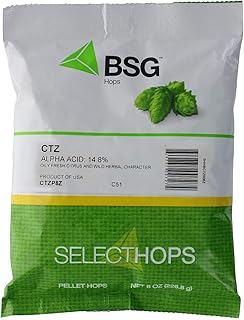

What You'll Learn
- Ingredients Overview: Blue Moon beer's main ingredients and their roles in brewing
- Hops in Brewing: The significance of hops in beer making and their contribution to flavor
- Blue Moon's Recipe: Specific details about the hops used in Blue Moon beer
- Flavor Profile: How hops influence the taste and aroma of Blue Moon beer
- Comparison to Other Beers: Analyzing Blue Moon's hop content relative to other popular beers

Ingredients Overview: Blue Moon beer's main ingredients and their roles in brewing
Blue Moon beer, a popular Belgian-style wheat ale, is crafted with a unique blend of ingredients that contribute to its distinctive flavor profile. The main ingredients include malted barley, wheat, oats, and hops, each playing a crucial role in the brewing process. Malted barley provides the base sugars necessary for fermentation, while wheat and oats contribute to the beer's smooth, creamy texture and slightly nutty flavor. Hops, on the other hand, are responsible for the beer's bitterness and aromatic qualities.
In the brewing process, these ingredients are combined with water and yeast to create the final product. The malted barley is mashed with hot water to extract the sugars, which are then boiled with hops to add bitterness and flavor. Wheat and oats are added during the mashing process to enhance the beer's body and texture. After boiling, the mixture is cooled and transferred to a fermentation vessel, where yeast is added to convert the sugars into alcohol and carbon dioxide.
One of the unique aspects of Blue Moon beer is its use of coriander and orange peel during the brewing process. These spices add a subtle citrusy flavor and aroma to the beer, complementing the other ingredients and creating a complex, refreshing taste. The coriander and orange peel are typically added during the boil or in the whirlpool stage, where they infuse the beer with their distinctive flavors.
In conclusion, Blue Moon beer's main ingredients, including malted barley, wheat, oats, hops, coriander, and orange peel, work together to create a flavorful and refreshing Belgian-style wheat ale. Each ingredient plays a specific role in the brewing process, contributing to the beer's unique taste and texture.
Exploring the Role of Hops in Enhancing Beer's Shelf Life
You may want to see also
Explore related products


Hops in Brewing: The significance of hops in beer making and their contribution to flavor
Hops are a fundamental ingredient in the brewing process, playing a crucial role in determining the flavor, aroma, and bitterness of beer. They are the flowers of the hop plant, Humulus lupulus, and are used primarily for their alpha acids, which contribute to the bitterness that balances the sweetness of the malt. Hops also contain essential oils and other compounds that impart a wide range of flavors and aromas, from floral and fruity to spicy and earthy.
In the context of Blue Moon beer, hops are indeed a key component. Blue Moon is a Belgian-style wheat ale known for its distinctive flavor profile, which includes notes of citrus and spice. These characteristics are achieved through the use of specific hop varieties, such as Cascade and Amarillo, which are known for their citrusy and floral qualities. The hops are added at various stages of the brewing process to maximize their flavor and aroma contributions.
The significance of hops in brewing extends beyond their flavor contributions. They also act as a natural preservative, helping to prevent spoilage and extend the shelf life of the beer. Additionally, hops have antimicrobial properties that can help control the growth of unwanted bacteria and yeast during fermentation.
When it comes to the brewing process, the amount and type of hops used can greatly influence the final product. Brewers must carefully select and balance the hop varieties to achieve the desired flavor profile. The timing of hop additions is also critical, as different stages of brewing can affect how the hops' flavors and aromas are perceived in the finished beer.
In conclusion, hops are an essential ingredient in beer making, contributing significantly to the flavor, aroma, and bitterness of the final product. In the case of Blue Moon beer, specific hop varieties are used to create its unique and recognizable flavor profile. Understanding the role of hops in brewing can help beer enthusiasts appreciate the complexity and craftsmanship involved in creating their favorite brews.
Exploring the Flavor Profile: Do Sour Beers Contain Hops?
You may want to see also
Explore related products


Blue Moon's Recipe: Specific details about the hops used in Blue Moon beer
Blue Moon beer, a popular Belgian-style wheat ale, is known for its distinctive flavor profile, which includes a subtle bitterness derived from the hops used in its brewing process. The specific hops used in Blue Moon beer are a combination of European varieties, carefully selected to impart a balanced and refreshing taste. These hops are added at different stages of the brewing process to contribute to the beer's aroma, flavor, and bitterness.
The primary hops used in Blue Moon beer are Hallertau and Saaz. Hallertau hops, grown in Germany, are known for their mild, spicy, and floral characteristics. They are added early in the brewing process to provide a smooth, underlying bitterness and a delicate aroma. Saaz hops, on the other hand, are grown in the Czech Republic and are renowned for their zesty, citrusy, and slightly earthy flavor profile. These hops are added later in the brewing process to enhance the beer's flavor and aroma with their distinctive characteristics.
In addition to Hallertau and Saaz, Blue Moon beer also uses a small amount of Cascade hops, which are grown in the United States. Cascade hops are known for their bold, fruity, and floral flavor profile, and they are added towards the end of the brewing process to provide a subtle, refreshing bitterness and a hint of citrusy aroma.
The combination of these hops, along with the beer's other ingredients, such as wheat, barley, and yeast, creates a complex and harmonious flavor profile that is characteristic of Blue Moon beer. The hops not only contribute to the beer's bitterness but also play a crucial role in its overall taste and aroma, making it a popular choice among beer enthusiasts.
The Magic of Hops: Nature's Preservative in Your Beer
You may want to see also
Explore related products

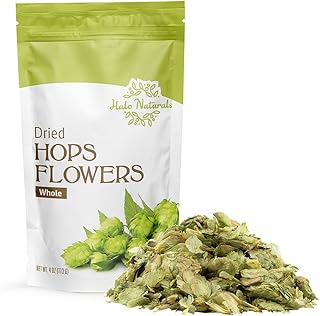


Flavor Profile: How hops influence the taste and aroma of Blue Moon beer
Blue Moon beer, a popular Belgian-style wheat ale, owes much of its distinctive flavor profile to the use of hops. Hops are the flower cones of the hop plant, Humulus lupulus, and are a key ingredient in beer brewing. They contribute to the beer's bitterness, aroma, and stability. In the case of Blue Moon, the hops used are of a specific variety that imparts a unique citrus and spicy flavor, which complements the beer's wheat malt backbone.
The brewing process for Blue Moon involves the addition of hops at different stages. Initially, hops are added during the boiling process, where they contribute to the beer's bitterness. This bitterness is essential in balancing the sweetness of the malt and enhancing the overall flavor complexity. Later in the process, hops are added during fermentation, a technique known as dry hopping. This method allows the hops to infuse the beer with their aromatic oils, resulting in a more pronounced hop aroma and flavor without increasing the bitterness.
The specific hop varieties used in Blue Moon are carefully selected to achieve the desired flavor profile. These hops are known for their high oil content, which is where the beer gets its characteristic citrus and spicy notes. The combination of these hops with the wheat malt creates a harmonious blend of flavors that is both refreshing and complex.
In addition to their flavor contributions, hops also play a crucial role in the stability of the beer. They act as a natural preservative, helping to prevent spoilage and oxidation. This is particularly important for a beer like Blue Moon, which is often enjoyed over a longer period due to its rich and nuanced flavor profile.
In conclusion, the hops used in Blue Moon beer are integral to its flavor, aroma, and stability. The careful selection and use of specific hop varieties during the brewing process result in a beer that is both refreshing and complex, with a distinctive citrus and spicy character that sets it apart from other wheat ales.
Exploring the Botanical Mystery: Are Beer Hops a Vegetable?
You may want to see also
Explore related products


Comparison to Other Beers: Analyzing Blue Moon's hop content relative to other popular beers
Blue Moon beer, a popular Belgian-style wheat ale, is known for its distinctive flavor profile, which includes a notable hop presence. To understand its hop content better, it's useful to compare it with other well-known beers. For instance, Blue Moon typically has a hop bitterness level of around 18-22 International Bitterness Units (IBUs), which is relatively moderate compared to some other styles.
In comparison, an American IPA (India Pale Ale) can have an IBU range of 40-70, making it significantly more bitter. On the other hand, a traditional German Pilsner might have an IBU of around 30-40, placing it between Blue Moon and an IPA in terms of bitterness. This comparison helps to contextualize Blue Moon's hop content within the broader spectrum of beer styles.
Another aspect to consider is the type of hops used. Blue Moon is known to use a blend of hops, including Cascade and Hallertau, which contribute to its unique flavor and aroma profile. In contrast, many IPAs favor high-alpha acid hops like Citra or Simcoe for their intense bitterness and aromatic qualities. Understanding the specific hop varieties used in different beers can provide deeper insight into their flavor profiles and brewing techniques.
When analyzing the hop content of Blue Moon relative to other beers, it's also important to consider the brewing process. Blue Moon is brewed with a higher proportion of wheat malt compared to many other beers, which can affect the overall balance of flavors, including the perception of hop bitterness. This unique brewing approach contributes to Blue Moon's signature taste and sets it apart from other beer styles.
In conclusion, while Blue Moon does contain hops, its hop content is moderate and distinctive, reflecting a careful balance of ingredients and brewing techniques. By comparing it to other popular beers, we can gain a better appreciation for its unique place within the diverse world of beer styles.
Exploring the Essential Ingredient: Do All Beers Contain Hops?
You may want to see also
Frequently asked questions
Yes, Blue Moon beer does contain hops. Hops are a key ingredient in most beers, including Blue Moon, and are responsible for the bitterness and aroma.
Blue Moon contains a moderate amount of hops, typically around 12-15 International Bitterness Units (IBUs). This is lower than many India Pale Ales (IPAs) but higher than some lagers and wheat beers.
Blue Moon uses a blend of hops, including Cascade, Centennial, and Amarillo. These hops contribute to the beer's citrusy and floral aroma and balanced bitterness.


