Beatrix Montes
Beer is a popular alcoholic beverage enjoyed by many around the world. However, there is a common concern about its potential impact on weight gain. The relationship between beer consumption and weight is complex and influenced by various factors, including the type of beer, serving size, frequency of consumption, and individual metabolism. While beer itself is not inherently fattening, it does contain calories and carbohydrates that can contribute to weight gain if consumed in excess. Additionally, the social and cultural contexts in which beer is often consumed may involve eating high-calorie snacks or foods, which can further contribute to weight gain. Understanding the nuances of how beer affects weight can help individuals make informed choices about their consumption habits.
Explore related products


What You'll Learn
- Caloric Content: Beer contains calories, which can contribute to weight gain if consumed excessively
- Alcohol Metabolism: The body prioritizes metabolizing alcohol, potentially leading to fat storage if other nutrients are present
- Appetite Stimulation: Alcohol can increase appetite, causing individuals to eat more, which may result in weight gain
- Water Retention: Beer's sodium content and dehydrating effects can lead to temporary water retention, affecting weight
- Lifestyle Factors: Regular beer consumption may be associated with a sedentary lifestyle, contributing to weight gain over time

Caloric Content: Beer contains calories, which can contribute to weight gain if consumed excessively
Beer, like many alcoholic beverages, contains calories that can contribute to weight gain if consumed excessively. The caloric content of beer varies depending on the type and brand, but on average, a 12-ounce serving of beer contains around 150 calories. These calories come primarily from carbohydrates and alcohol, with some contribution from protein and fat.
To put this in perspective, if an individual consumes an extra 150 calories per day from beer, they could potentially gain about 15 pounds over the course of a year, assuming no changes in their overall diet or physical activity level. This highlights the importance of moderation when it comes to beer consumption, especially for those who are watching their weight or trying to maintain a healthy lifestyle.
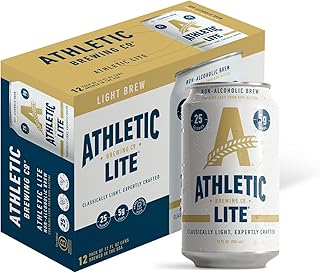
It's also worth noting that the caloric content of beer can vary significantly depending on the type. For example, light beers typically contain fewer calories than regular or dark beers. Additionally, some beers may have added ingredients, such as fruit or chocolate, which can increase the calorie count. Therefore, it's important to be mindful of the specific type of beer you're consuming and to check the label for calorie information if you're concerned about your intake.
In terms of practical tips, one way to reduce the caloric impact of beer consumption is to alternate between alcoholic and non-alcoholic beverages, such as water or soda. This can help you stay hydrated and reduce your overall calorie intake. Another strategy is to choose lower-calorie beer options or to limit your serving size. For example, instead of having a full 12-ounce beer, you could opt for a 6-ounce serving or share a beer with a friend.
Ultimately, the key to managing the caloric content of beer and its potential impact on weight gain is moderation and awareness. By being mindful of your consumption and making informed choices, you can enjoy beer as part of a balanced and healthy diet.
Understanding Alcohol Limits: A Guide to Responsible Drinking
You may want to see also
Explore related products



Alcohol Metabolism: The body prioritizes metabolizing alcohol, potentially leading to fat storage if other nutrients are present
The body's metabolism of alcohol is a complex process that can have significant implications for weight management. When alcohol is consumed, the body prioritizes its metabolism over other nutrients, which can lead to a temporary halt in the digestion and absorption of fats and carbohydrates. This prioritization is due to the fact that alcohol is a toxin and the body's primary goal is to eliminate it as quickly as possible.
During this process, the liver converts alcohol into acetaldehyde, which is then further broken down into acetate. Acetate is a source of energy that the body can use, but it is not as efficient as glucose or fatty acids. As a result, the body may store excess acetate as fat, particularly if there are other sources of energy available, such as carbohydrates or fats from food.
This can lead to weight gain, particularly if alcohol consumption is frequent or excessive. Additionally, the empty calories provided by alcohol can contribute to weight gain, as they offer little nutritional value while still providing energy. It is important to note that moderate alcohol consumption, defined as one drink per day for women and two drinks per day for men, is generally not associated with significant weight gain.
However, it is the combination of alcohol consumption with other factors, such as a high-calorie diet or a sedentary lifestyle, that can lead to weight gain. Therefore, it is essential to consider the overall context of one's diet and lifestyle when assessing the potential impact of alcohol consumption on weight.
In conclusion, while alcohol metabolism can lead to fat storage if other nutrients are present, it is the overall balance of energy intake and expenditure that ultimately determines weight gain or loss. Moderate alcohol consumption, when combined with a balanced diet and regular physical activity, is unlikely to cause significant weight gain. However, excessive alcohol consumption, particularly when combined with other unhealthy lifestyle habits, can contribute to weight gain and other health problems.
The Surprising Truth About Beer and Water Weight: What You Need to Know
You may want to see also
Explore related products


Appetite Stimulation: Alcohol can increase appetite, causing individuals to eat more, which may result in weight gain
Alcohol's impact on appetite is a complex interplay of physiological and psychological factors. When consumed, alcohol can stimulate the release of ghrelin, a hormone that increases hunger and promotes the sensation of an empty stomach. This hormonal response can lead to increased food intake, as individuals may feel compelled to eat more to satisfy the perceived hunger. Furthermore, alcohol can impair judgment and decision-making, potentially leading to poor food choices and overeating.
The calories in alcoholic beverages, particularly beer, can also contribute to weight gain. Beer is often high in carbohydrates and calories, which can add up quickly, especially when consumed in large quantities or frequently. Additionally, the body prioritizes the metabolism of alcohol over other nutrients, which can lead to the storage of fat and carbohydrates as energy reserves. This metabolic shift can further exacerbate weight gain, particularly around the midsection, often referred to as a "beer belly."
It's important to note that the effects of alcohol on appetite and weight gain can vary depending on individual factors such as genetics, metabolism, and overall diet. Some people may be more susceptible to the appetite-stimulating effects of alcohol, while others may experience a decrease in appetite. Similarly, the impact of beer on weight gain can differ based on the type of beer, its calorie content, and the individual's overall caloric intake and expenditure.
To mitigate the potential weight gain associated with beer consumption, it's essential to practice moderation and balance. Limiting the amount of beer consumed, choosing lower-calorie options, and pairing drinks with healthy snacks can help offset the caloric intake. Additionally, maintaining a regular exercise routine and focusing on a balanced diet can help counteract the effects of occasional indulgence.
In conclusion, while beer can contribute to weight gain through its caloric content and appetite-stimulating effects, understanding the underlying mechanisms and adopting mindful drinking habits can help individuals enjoy beer in moderation without compromising their weight management goals.
The Great Debate: Does Beer Belong in Chili?
You may want to see also
Explore related products



Water Retention: Beer's sodium content and dehydrating effects can lead to temporary water retention, affecting weight
Beer's sodium content and dehydrating effects can lead to temporary water retention, affecting weight. This is because when you consume beer, your body may retain more water due to the sodium content, which can cause a temporary increase in weight. However, this weight gain is usually short-lived and can be mitigated by drinking plenty of water and reducing sodium intake from other sources.
The dehydrating effects of beer can also contribute to water retention. When you drink beer, it can cause your body to lose water through increased urine production. This can lead to dehydration, which can cause your body to retain water in an attempt to compensate for the loss. To avoid this, it's important to drink water alongside beer and to limit your alcohol intake.
It's also worth noting that the calories in beer can contribute to weight gain if consumed in excess. Beer is high in calories and can add up quickly if you're not careful. To avoid weight gain, it's important to consume beer in moderation and to balance your diet with plenty of fruits, vegetables, and lean protein.
In summary, while beer's sodium content and dehydrating effects can lead to temporary water retention and weight gain, these effects can be mitigated by drinking plenty of water, reducing sodium intake, and consuming beer in moderation. It's also important to balance your diet with plenty of fruits, vegetables, and lean protein to avoid weight gain.
Savor the Flavor: Beer's Role in the Perfect Crawfish Boil
You may want to see also
Explore related products



Lifestyle Factors: Regular beer consumption may be associated with a sedentary lifestyle, contributing to weight gain over time
Regular beer consumption may be associated with a sedentary lifestyle, contributing to weight gain over time. This is because individuals who frequently consume beer may be more likely to engage in activities that involve sitting or lying down for extended periods, such as watching television or playing video games. Additionally, beer is often consumed in social settings, which may involve eating high-calorie snacks or meals that can contribute to weight gain.
Furthermore, beer contains empty calories, meaning that it provides energy without offering significant nutritional benefits. This can lead to an increase in overall calorie intake, which can contribute to weight gain if not balanced with physical activity and a healthy diet. It is important to note that moderate beer consumption, defined as up to one drink per day for women and up to two drinks per day for men, may not necessarily lead to weight gain. However, excessive consumption can have negative effects on overall health and well-being.
To mitigate the potential weight gain associated with beer consumption, individuals can take steps to incorporate more physical activity into their daily routines. This can include activities such as walking, jogging, cycling, or participating in team sports. Additionally, making healthier food choices and limiting the consumption of high-calorie snacks and meals can help to maintain a healthy weight.
In conclusion, while beer consumption may be associated with a sedentary lifestyle and weight gain, there are steps that individuals can take to maintain a healthy weight and overall well-being. By incorporating regular physical activity and making healthier food choices, individuals can enjoy beer in moderation without experiencing negative health effects.
The Surprising Truth: Can Beer Really Extinguish Fires?
You may want to see also
Frequently asked questions
Beer contains calories, and consuming more calories than you burn can lead to weight gain. However, weight gain from beer alone is not inevitable and depends on various factors such as overall diet, metabolism, and physical activity level.
The calorie content of beer varies depending on the type and brand. On average, a standard 12-ounce beer contains around 150 calories. Light beers may have fewer calories, while craft beers and ales can have more.
Factors that can influence how beer affects your weight include your metabolism, overall diet, physical activity level, and the amount and type of beer you consume. Additionally, beer can be high in carbohydrates, which may contribute to weight gain if consumed in excess.
Yes, it is possible to drink beer and maintain a healthy weight. Moderation is key. It's important to balance your beer consumption with a healthy diet and regular exercise. Keeping track of your calorie intake and making mindful choices about your beer consumption can help you enjoy beer without compromising your weight goals.