 Jason Wagner
Beer is a popular alcoholic beverage made from fermented grains, primarily barley, and flavored with hops. One common question among health-conscious consumers is whether beer contains processed sugar. The answer is not straightforward, as it depends on the type of beer and the brewing process. Some beers, particularly mass-produced lagers and ales, may contain added sugars to enhance flavor and increase alcohol content. However, traditional brewing methods often rely on the natural sugars present in the grains, which are converted into alcohol during fermentation. Craft beers and homebrews are more likely to follow these traditional methods, resulting in a product with little to no added processed sugar. Ultimately, the sugar content in beer can vary widely, and consumers should check the ingredients and nutritional information of their preferred brands to make informed choices.
Explore related products


![[Pack of 24] Bud Full Flavored Zero Alcohol Brew, 0.00 ALC, NA Non-Alcoholic Beer, 50 Cal, Zero Sugar, Cans, 12 Fl Oz (Pack of 24)](https://m.media-amazon.com/images/I/51RUqU+bqVL._AC_UL320_.jpg)

What You'll Learn
- Natural Sugars in Beer: Exploring the presence of naturally occurring sugars during the brewing process
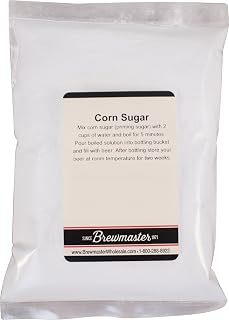
- Added Sugars Controversy: Discussing whether brewers add processed sugars to enhance flavor and alcohol content
- Sugar Content Variations: Comparing sugar levels across different beer types, from lagers to stouts
- Health Implications: Examining the potential health effects of consuming beer with processed sugars
- Regulatory Standards: Reviewing current regulations on sugar labeling and content in beer products

Natural Sugars in Beer: Exploring the presence of naturally occurring sugars during the brewing process
During the brewing process, various natural sugars are present, which play a crucial role in the fermentation and flavor profile of beer. These sugars are derived from the malted grains, such as barley, wheat, or rye, and are extracted during the mashing process. The primary sugars found in beer include glucose, fructose, and maltose, which are all naturally occurring and contribute to the beer's sweetness and body.
The presence of these natural sugars is essential for yeast fermentation, as yeast consumes the sugars to produce alcohol and carbon dioxide. This process not only creates the desired alcoholic content but also influences the beer's aroma and taste. For instance, residual sugars can contribute to a beer's sweetness, while the type of sugar can affect the flavor profile, with fructose often imparting a fruity character and maltose providing a malty, rich taste.
It's important to note that while these sugars are natural, they are still a form of sugar and can impact the beer's calorie content and potential health effects. However, the brewing process typically does not involve the addition of processed sugars, which are often associated with negative health implications. Instead, brewers rely on the natural sugars present in the grains to achieve the desired sweetness and fermentation.
In conclusion, the natural sugars found in beer are an integral part of the brewing process, contributing to the fermentation, flavor, and overall character of the beverage. While these sugars are still a form of sugar, they are naturally occurring and typically do not involve the addition of processed sugars, which can be a concern for health-conscious consumers.
Unraveling the Sweetness: Beer vs. Whiskey Sugar Content
You may want to see also
Explore related products

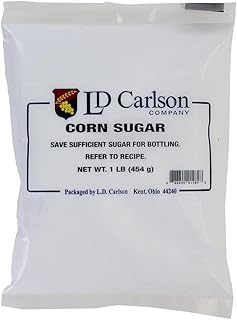


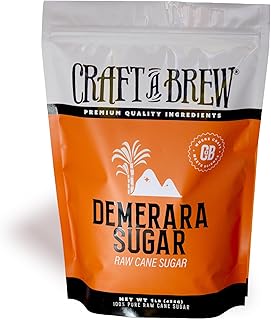
![Orchard Hill [Pack of 12] Budweiser Full Flavored Zero Alcohol Brew, 0.00 ALC, NA Non-Alcoholic Beer, 50 Cal, Zero Sugar, Cans, 12 Fl Oz (Pack of 12)](https://m.media-amazon.com/images/I/81HEjZZVTMS._AC_UL320_.jpg)
Added Sugars Controversy: Discussing whether brewers add processed sugars to enhance flavor and alcohol content
The controversy surrounding added sugars in beer centers on the practice of brewers incorporating processed sugars into their recipes. This is done primarily to enhance the flavor profile and increase the alcohol content of the beer. The use of added sugars can result in a sweeter taste and a higher ABV (alcohol by volume), which can be appealing to some consumers. However, it also raises questions about the nutritional value and health implications of consuming such beers.
One of the main arguments against the use of added sugars in beer is that it can contribute to an increased calorie count without adding any significant nutritional benefits. This can be particularly concerning for individuals who are health-conscious or those who are monitoring their sugar intake. Additionally, the use of processed sugars can lead to a more rapid spike in blood sugar levels, which may not be ideal for people with diabetes or other metabolic conditions.
On the other hand, proponents of added sugars in beer argue that the practice is a traditional brewing technique that has been used for centuries. They also point out that the amount of sugar added is typically minimal and that the fermentation process converts much of the sugar into alcohol, reducing the overall sugar content in the final product. Furthermore, some brewers use natural sweeteners such as honey or maple syrup, which they argue are healthier alternatives to processed sugars.
The debate over added sugars in beer is further complicated by the lack of clear labeling regulations. In many countries, brewers are not required to disclose the use of added sugars on their labels, making it difficult for consumers to make informed choices. This lack of transparency can contribute to consumer mistrust and confusion about the ingredients in their beer.
In conclusion, the controversy surrounding added sugars in beer is a complex issue with valid arguments on both sides. While the use of processed sugars can enhance the flavor and alcohol content of beer, it also raises concerns about nutritional value and health implications. Ultimately, it is up to individual consumers to weigh the pros and cons and make informed decisions about the types of beer they choose to consume.
Unveiling the Truth: Does Budweiser Beer Contain Sugar?
You may want to see also
Explore related products


Sugar Content Variations: Comparing sugar levels across different beer types, from lagers to stouts
Lagers, known for their crisp and refreshing taste, typically have lower sugar content compared to other beer types. This is due to the fermentation process, where yeast consumes most of the sugars present in the wort, leaving behind a clean, dry finish. Light lagers, in particular, are often brewed with a focus on minimal residual sweetness, making them a popular choice for those looking to reduce their sugar intake.
In contrast, stouts and porters are characterized by their rich, roasted flavors and higher sugar content. These beers often contain residual sugars that contribute to their full-bodied taste and creamy texture. The brewing process for stouts involves using roasted malts, which can impart a sweet, caramel-like flavor to the beer. Additionally, some stouts are brewed with added sugars or sweeteners to enhance their flavor profile.
When comparing sugar levels across different beer types, it's important to consider the brewing process and ingredients used. Beers that are brewed with a higher proportion of malted barley, such as ales and stouts, tend to have higher sugar content. On the other hand, beers that are brewed with a higher proportion of adjuncts, such as corn or rice, tend to have lower sugar content.
It's also worth noting that the sugar content of beer can vary depending on the specific recipe and brewing techniques used. Some breweries may use additional sugars or sweeteners to enhance the flavor of their beers, while others may focus on using natural ingredients and traditional brewing methods to minimize added sugars.
In conclusion, the sugar content of beer can vary significantly depending on the type of beer and the brewing process used. Lagers tend to have lower sugar content, while stouts and porters tend to have higher sugar content. When choosing a beer, it's important to consider the ingredients and brewing techniques used to ensure that you're selecting a beer that aligns with your dietary preferences and needs.
The Sweet Debate: Dissolving Sugar for Beer Carbonation
You may want to see also
Explore related products




Health Implications: Examining the potential health effects of consuming beer with processed sugars
Processed sugars in beer can lead to a range of health implications, particularly when consumed in excess. One of the primary concerns is the impact on blood sugar levels. Beers containing high amounts of processed sugars can cause rapid spikes in blood glucose, which may be problematic for individuals with diabetes or those at risk of developing the condition. Over time, frequent consumption of such beers can contribute to insulin resistance, potentially exacerbating or leading to type 2 diabetes.
Another significant health consideration is the caloric content of beer with processed sugars. These sugars add empty calories to the beverage, which can contribute to weight gain and obesity when consumed regularly. Obesity is a well-known risk factor for various chronic diseases, including heart disease, certain cancers, and type 2 diabetes. Therefore, individuals who are watching their weight or trying to maintain a healthy lifestyle should be mindful of their beer consumption, especially if the beer contains high levels of processed sugars.
Furthermore, the consumption of beer with processed sugars can have implications for dental health. Sugars in the beer can contribute to tooth decay and cavities, as they provide a food source for bacteria in the mouth that produce harmful acids. Regular consumption of sugary beers, coupled with poor oral hygiene, can increase the risk of dental problems, which may lead to more serious health issues if left untreated.
It is also important to consider the potential impact on liver health. Excessive alcohol consumption, including beer, can lead to liver damage and diseases such as cirrhosis and fatty liver disease. When beer contains processed sugars, it may further strain the liver, as it has to process both the alcohol and the sugars. This dual burden can increase the risk of liver-related health issues, particularly in individuals who already have compromised liver function.
In conclusion, while enjoying a beer occasionally is generally considered safe for most adults, it is crucial to be aware of the potential health implications associated with consuming beer that contains processed sugars. Moderation is key, and individuals should consider their overall health, dietary needs, and lifestyle choices when deciding whether and how much beer to consume.
Zero Sugar Brews: Unveiling the Best Beer Options for Health-Conscious Drinkers
You may want to see also
Explore related products




Regulatory Standards: Reviewing current regulations on sugar labeling and content in beer products
The regulatory landscape surrounding sugar content and labeling in beer products is complex and varies significantly across different regions. In the United States, the Alcohol and Tobacco Tax and Trade Bureau (TTB) oversees the labeling and advertising of alcoholic beverages, including beer. According to TTB regulations, beer labels must include information on the alcohol content, but there are no specific requirements for disclosing sugar content. This lack of mandatory sugar labeling can make it challenging for consumers to make informed choices about their beer consumption, particularly for those monitoring their sugar intake.
In contrast, some European countries have more stringent regulations on sugar labeling. For instance, in the United Kingdom, the Food and Drink Information Council (FDIC) requires that all packaged foods and drinks, including beer, display nutritional information on the label. This includes the amount of sugar per serving, allowing consumers to easily compare products and make healthier choices. Similarly, in Germany, the Food Information Regulation (FIR) mandates that beer labels must include information on the sugar content, along with other nutritional details.
The absence of uniform sugar labeling regulations across different regions can lead to confusion and inconsistency in the marketplace. This is particularly concerning given the growing awareness of the health impacts associated with excessive sugar consumption, such as obesity, diabetes, and heart disease. As a result, there has been a push towards more transparent labeling practices, with some breweries voluntarily disclosing sugar content on their labels or through online platforms.
In addition to labeling requirements, regulatory bodies also set limits on the amount of sugar that can be added to beer during the brewing process. For example, in the European Union, the Beer Style Guide limits the amount of added sugars to 5 grams per liter for most beer styles. This regulation aims to ensure that beer is not overly sweetened and maintains a certain level of quality and authenticity.
Overall, the regulatory standards on sugar labeling and content in beer products play a crucial role in shaping consumer choices and promoting public health. While there are variations in regulations across different regions, the trend towards more transparent labeling practices and stricter controls on sugar content is a positive step towards empowering consumers and encouraging healthier drinking habits.
Sipping Smart: Discovering the Lowest Sugar Beers for Health-Conscious Drinkers
You may want to see also
Frequently asked questions
Beer typically does not contain processed sugar. The sweetness in beer comes from the natural sugars present in the grains used during brewing, such as barley and wheat.
Unlike some other alcoholic beverages that may contain added sugars, the sugar in beer is primarily derived from the fermentation process of natural grain sugars. This results in a lower processed sugar content compared to drinks like cocktails or sweetened wines.
People with diabetes should be cautious when consuming beer. While it does not contain processed sugar, beer can still affect blood sugar levels due to its carbohydrate content. It is advisable for individuals with diabetes to monitor their blood sugar levels and consume beer in moderation, if at all.
Yes, there can be variations in sugar content among different types of beer. For example, some darker beers like stouts and porters may have a higher residual sugar content, while lighter beers such as lagers and pilsners tend to have lower sugar levels. However, these differences are generally subtle and depend on the specific brewing process and ingredients used.


