Lucy Palmer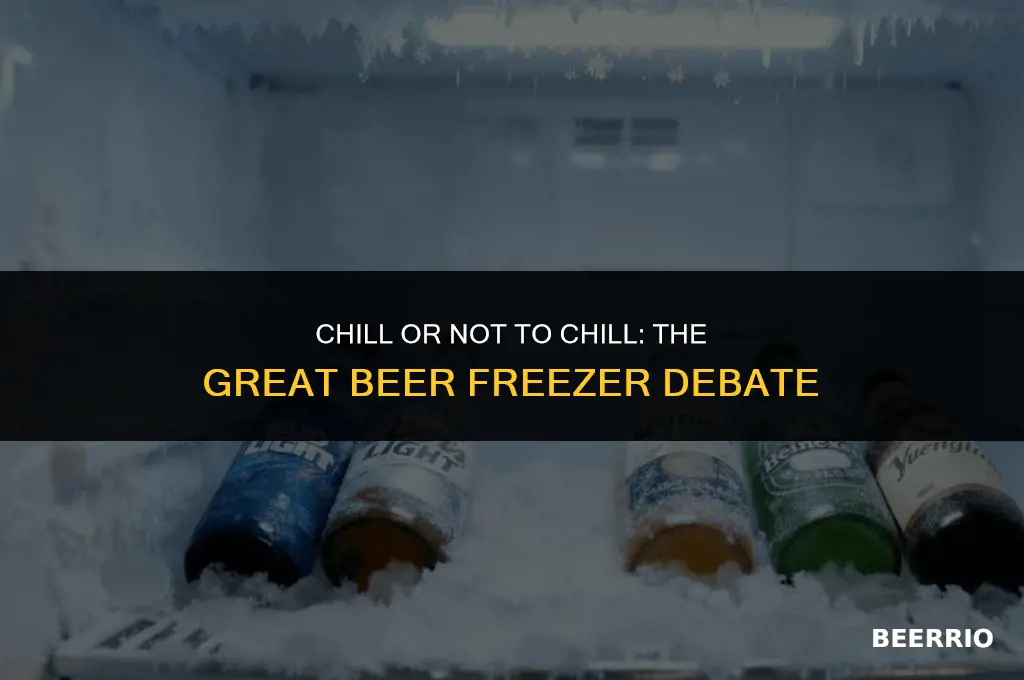
The question of whether to put beer in the freezer is a common one among beer enthusiasts and casual drinkers alike. While some believe that freezing beer can enhance its flavor and provide a refreshing experience, others argue that it can negatively impact the taste and quality of the beer. In this article, we'll explore the pros and cons of freezing beer, examining the scientific evidence behind the practice and offering expert advice on the best ways to store and serve your favorite brews. By the end of this discussion, you'll have a clear understanding of whether or not putting beer in the freezer is a good idea, and you'll be able to make informed decisions about how to enjoy your beer to its fullest potential.
Explore related products


What You'll Learn
- Types of Beer: Different beers have varying freezing points and optimal storage temperatures
- Freezing Process: How long it takes for beer to freeze and the science behind it
- Effects on Taste: Freezing can alter the flavor profile and quality of beer
- Storage Alternatives: Recommended storage methods to preserve beer's quality without freezing
- Myths and Facts: Common misconceptions about freezing beer and the truth behind them

Types of Beer: Different beers have varying freezing points and optimal storage temperatures
Not all beers are created equal when it comes to their freezing points and optimal storage temperatures. This is a critical consideration for those who wish to chill their beer without risking damage to its flavor or quality. For instance, lighter beers such as lagers and pilsners typically have a lower freezing point than darker beers like stouts and porters. This means that if you were to place a lager in the freezer, it would freeze at a lower temperature than a stout, potentially leading to different outcomes in terms of taste and texture.
The optimal storage temperature for beer also varies depending on its type. Generally, lighter beers are best stored at cooler temperatures, around 45-50°F (7-10°C), to maintain their crisp and refreshing qualities. On the other hand, darker beers and those with higher alcohol content are better suited to slightly warmer temperatures, around 50-55°F (10-13°C), to allow their complex flavors to develop fully. It's important to note that these are general guidelines, and the specific storage requirements can vary greatly between different brands and styles of beer.
When considering whether to put beer in the freezer, it's also essential to think about the potential risks involved. Freezing beer can cause it to expand, which may lead to the bottle or can bursting. This is particularly true for beers with higher carbonation levels. Additionally, freezing can alter the beer's flavor profile, often resulting in a harsher, more bitter taste. Therefore, it's crucial to understand the freezing point and optimal storage temperature of the specific beer you're dealing with before deciding to chill it in the freezer.
In conclusion, while it may be tempting to throw a beer in the freezer for a quick cool-down, it's important to consider the type of beer and its specific storage requirements. By doing so, you can ensure that your beer remains at its best quality and flavor, whether you choose to store it in the refrigerator or the freezer.
The Great Debate: Does Beer Belong in Chili?
You may want to see also
Explore related products




Freezing Process: How long it takes for beer to freeze and the science behind it
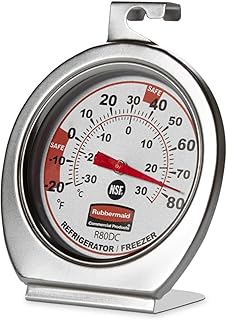
The freezing process of beer is a delicate balance between temperature, time, and the physical properties of the liquid. When beer is placed in a freezer, the water content begins to crystallize, forming ice. However, the alcohol in beer lowers its freezing point, causing it to remain liquid even at temperatures below 0°C (32°F). This phenomenon is known as antifreeze action.
The time it takes for beer to freeze depends on several factors, including the initial temperature of the beer, the temperature of the freezer, and the size and shape of the container. Typically, a standard 12-ounce can of beer will take approximately 2-3 hours to freeze in a home freezer set at -18°C (0°F). However, this time can vary significantly if the freezer is not at its optimal temperature or if the beer is in a larger container.
The science behind the freezing process involves the molecular interactions between water and alcohol. Water molecules form hydrogen bonds with each other, which are strong enough to overcome the kinetic energy of the molecules at low temperatures, leading to the formation of ice crystals. However, alcohol molecules disrupt these hydrogen bonds, requiring a lower temperature to overcome the kinetic energy and form ice.
It's important to note that freezing beer too quickly can lead to the formation of ice crystals within the can or bottle, which can cause it to burst. To avoid this, it's recommended to place the beer in the freezer gradually, allowing the temperature to drop slowly over time. Additionally, it's crucial to monitor the freezing process and remove the beer from the freezer once it has reached the desired temperature, as over-freezing can result in a loss of flavor and carbonation.
In conclusion, the freezing process of beer is a complex interplay of temperature, time, and molecular interactions. By understanding these factors, one can safely and effectively freeze beer without causing damage to the container or compromising the quality of the beverage.
Understanding Alcohol Limits: A Guide to Responsible Drinking
You may want to see also
Explore related products


Effects on Taste: Freezing can alter the flavor profile and quality of beer
Freezing beer can significantly impact its taste and quality. When beer is subjected to freezing temperatures, the water content begins to freeze, leading to the formation of ice crystals. These crystals can disrupt the structure of the beer, causing it to become cloudy and potentially affecting its flavor profile. The freezing process can also lead to the precipitation of proteins and other compounds, which may result in a loss of body and mouthfeel in the beer.
One of the primary concerns with freezing beer is the potential for it to become "skunky." This term refers to a specific off-flavor that can develop when beer is exposed to freezing temperatures. The skunky flavor is caused by the release of volatile compounds from the hops, which can react with other components in the beer to produce an unpleasant taste. This effect is more pronounced in beers with higher hop content, such as IPAs and pale ales.
In addition to the skunky flavor, freezing can also lead to a loss of carbonation in beer. When beer is frozen, the carbon dioxide gas that is responsible for its fizziness can escape, resulting in a flat and lifeless beverage. This loss of carbonation can be particularly problematic for beers that rely on their effervescence for flavor and mouthfeel, such as lagers and wheat beers.
To mitigate the negative effects of freezing on beer taste and quality, it is important to store beer at the appropriate temperature. Most beers are best stored at temperatures between 45°F and 55°F (7°C and 13°C). If beer must be frozen, it is recommended to do so slowly and gradually, to minimize the formation of ice crystals and the disruption of the beer's structure. It is also important to note that not all beers are suitable for freezing; beers with high alcohol content or those that are bottle-conditioned may be more susceptible to damage from freezing temperatures.
In conclusion, while freezing beer may be a convenient way to chill it quickly, it can have significant negative effects on its taste and quality. To preserve the flavor and character of beer, it is best to store it at the appropriate temperature and avoid freezing whenever possible.
Savoring Tradition: Beer's Role in Chicken and Sausage Gumbo
You may want to see also
Explore related products


Storage Alternatives: Recommended storage methods to preserve beer's quality without freezing
While freezing beer can be a quick way to chill it, it's not always the best method for preserving its quality. Beer can be sensitive to temperature changes, and freezing can alter its taste and texture. Instead, consider these storage alternatives to keep your beer fresh and flavorful:
One effective method is to store beer in a cool, dark place, such as a pantry or cupboard. This helps to protect the beer from light exposure, which can cause it to become skunky or develop off-flavors. Make sure the area is well-ventilated and maintains a consistent temperature between 45-55°F (7-13°C).
Another option is to use a beer fridge or cooler, which is specifically designed to store beer at the optimal temperature. These appliances typically have adjustable shelves and temperature controls, allowing you to customize the storage conditions for different types of beer. Some beer fridges even have a built-in humidifier to maintain the ideal humidity level for beer storage.
If you're looking for a more portable solution, consider using a beer growler or keg. These containers are designed to keep beer fresh and carbonated, and they can be easily transported to picnics, barbecues, or other outdoor events. Just make sure to fill the growler or keg with the appropriate amount of beer and seal it tightly to prevent air from entering.
Finally, if you're a homebrewer, you may want to consider using a carboy or jug for long-term storage. These containers are typically made of glass or plastic and have an airtight seal, which helps to preserve the beer's flavor and carbonation. Store the carboy or jug in a cool, dark place and monitor the temperature and carbonation levels regularly.
By using these storage alternatives, you can help to preserve the quality and taste of your beer without resorting to freezing. Remember to always handle your beer with care and enjoy it responsibly.
Unraveling the Mystery: Fish Guts in Beer - Fact or Fiction?
You may want to see also
Explore related products


Myths and Facts: Common misconceptions about freezing beer and the truth behind them
One common myth about freezing beer is that it will always result in a watery, flavorless beverage. The truth is, freezing beer can actually help to preserve its flavor in certain situations. When beer is frozen, the water content forms ice crystals, which can help to filter out impurities and sediment that might otherwise affect the taste. However, it's important to note that not all beers are suitable for freezing, and the process should be done carefully to avoid damaging the beer's quality.
Another misconception is that freezing beer will cause it to explode. While it's true that freezing can cause carbonated beverages to expand, modern beer bottles and cans are designed to withstand the pressure changes that occur during freezing. The key is to freeze the beer slowly and evenly, to prevent the formation of large ice crystals that could damage the container. It's also important to leave some space in the bottle or can for expansion, and to avoid freezing beer that is already over-carbonated.
Some people believe that freezing beer will make it more refreshing, but this is largely a matter of personal preference. While freezing can help to chill the beer quickly, it can also affect the texture and mouthfeel, making it feel thinner or more watery. Additionally, freezing can cause the beer's flavors to become more muted, which may not be desirable for all types of beer. Ultimately, the decision to freeze beer should be based on individual taste preferences and the specific circumstances in which the beer will be consumed.
In conclusion, while there are some common misconceptions about freezing beer, the truth is that it can be a useful technique for preserving flavor and chilling beer quickly. However, it's important to freeze beer carefully and to be aware of the potential risks and drawbacks. By understanding the myths and facts about freezing beer, beer enthusiasts can make informed decisions about how to best enjoy their favorite brews.
Unraveling the Mystery: Why Do People Put Salt in Beer?
You may want to see also
Frequently asked questions
It's generally not recommended to put beer in the freezer. Freezing can alter the taste and texture of the beer, potentially leading to a less enjoyable drinking experience.
Freezing beer can cause it to expand, which may lead to the bottle or can exploding. Additionally, the freezing process can affect the carbonation and flavor profile of the beer.
Beer should be stored in a cool, dark place, such as a refrigerator or a cellar. The ideal temperature for storing beer is between 45°F and 55°F (7°C and 13°C).
If you need to chill your beer quickly, you can place it in the freezer for a short period, like 15-20 minutes. However, be careful not to leave it in there too long, as it can still affect the taste and carbonation.
Beers with higher alcohol content and those that are bottle-conditioned or have added flavors are more likely to be negatively affected by freezing. Light lagers and pilsners may be less affected, but it's still not recommended to freeze them.