Lucy Palmer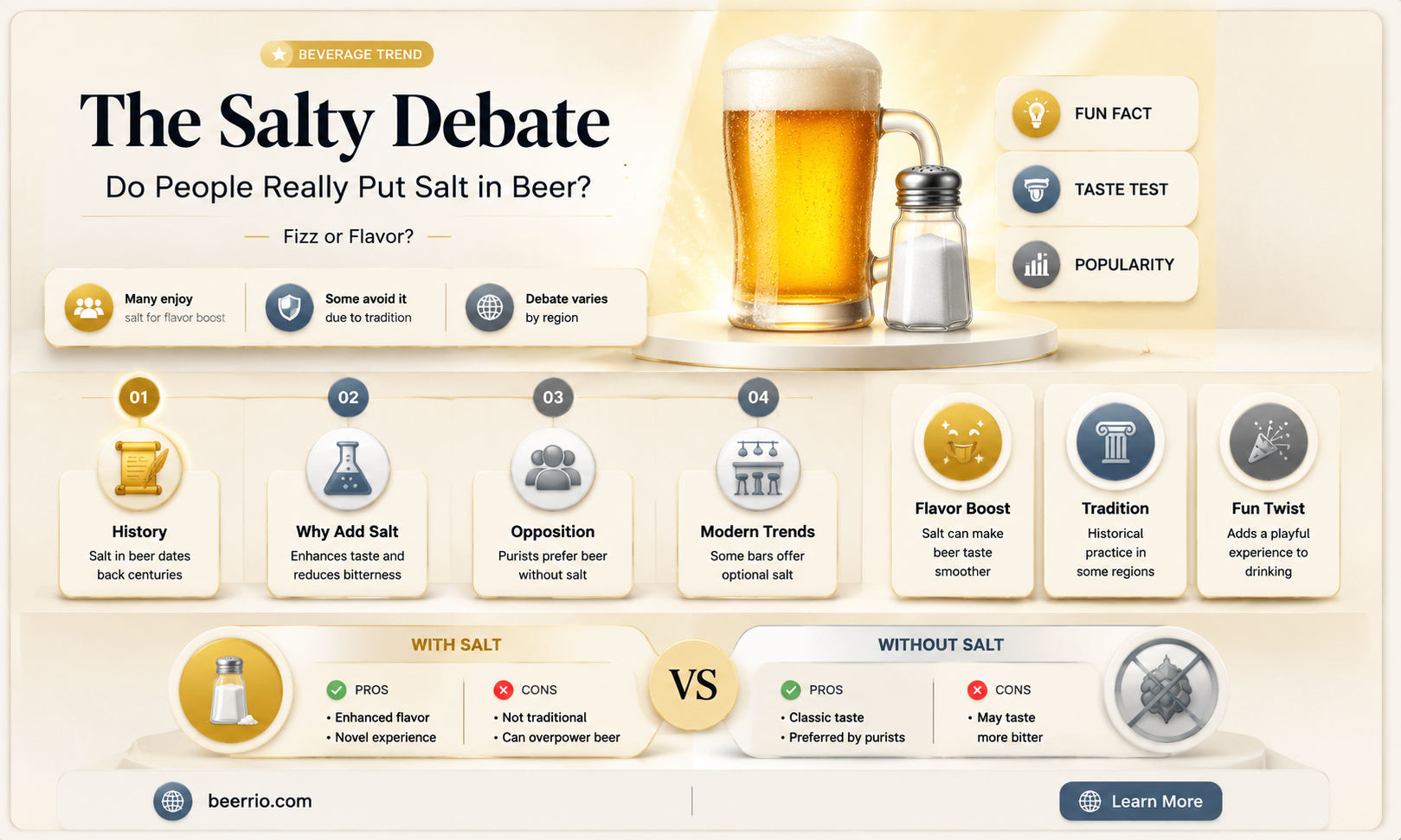
The practice of adding salt to beer is a topic that often sparks curiosity and debate among beer enthusiasts. While it may seem unconventional to some, the tradition of salting beer has roots in various cultures and is believed to enhance the flavor profile of certain brews. In some regions, a pinch of salt is added to the beer as a way to balance the bitterness of the hops and bring out the malt flavors. Additionally, salt can help to cleanse the palate between sips, allowing drinkers to fully appreciate the nuances of the beer. However, opinions on this practice vary widely, with some arguing that it detracts from the natural taste of the beer. Ultimately, whether or not to add salt to beer comes down to personal preference and the specific characteristics of the brew being enjoyed.
Explore related products


What You'll Learn
- Enhancing Flavor: Some believe salt can enhance the flavor profile of certain beers, balancing sweetness and bitterness
- Cultural Practices: In some regions, adding salt to beer is a traditional practice, often linked to local customs and recipes
- Health Considerations: There are health implications to consider when adding salt to beer, particularly for those monitoring their sodium intake
- Brewing Techniques: Brewers might use salt during the brewing process to affect the final taste and texture of the beer
- Personal Preferences: Ultimately, the decision to put salt in beer comes down to individual taste preferences and experimentation

Enhancing Flavor: Some believe salt can enhance the flavor profile of certain beers, balancing sweetness and bitterness
Salt's role in enhancing beer flavor is a topic of interest among enthusiasts and brewers alike. While it may seem counterintuitive to add salt to beer, given its potential to overpower other flavors, when used judiciously, salt can actually complement and balance the taste profile of certain brews. This is particularly true for beers with high levels of sweetness or bitterness, where a small amount of salt can help to round out these intense flavors and create a more harmonious drinking experience.
The key to using salt effectively in beer is understanding how it interacts with the other ingredients. Salt can enhance the perception of sweetness by suppressing bitterness, which can be especially beneficial in beers that are overly bitter or have a high hop content. Additionally, salt can help to bring out the flavors of other ingredients, such as malt and yeast, by providing a contrast that highlights their unique characteristics.
When experimenting with salt in beer, it's important to start with a small amount and gradually increase it until the desired effect is achieved. Too much salt can quickly overpower the other flavors and create an unpleasant taste. A general guideline is to use no more than 1/4 teaspoon of salt per 12 ounces of beer, although this can vary depending on the specific brew and personal taste preferences.
It's also worth noting that the type of salt used can make a difference in the final result. Table salt, which is highly processed and contains additives, is not ideal for use in beer. Instead, opt for a high-quality sea salt or kosher salt, which are free from additives and have a more nuanced flavor profile. These salts can add a subtle complexity to the beer without overpowering the other ingredients.
In conclusion, while the idea of adding salt to beer may seem unconventional, it can be a valuable tool for enhancing flavor when used correctly. By understanding how salt interacts with other ingredients and using it in moderation, brewers and beer enthusiasts can create a more balanced and enjoyable drinking experience.
Crafting the Perfect Beer Basket: A Guide to Thoughtful Brewing
You may want to see also
Explore related products


Cultural Practices: In some regions, adding salt to beer is a traditional practice, often linked to local customs and recipes
In certain regions around the world, the practice of adding salt to beer is deeply ingrained in local culture. This tradition is often passed down through generations, with specific recipes and methods unique to each area. For instance, in some parts of Germany, a pinch of salt is added to beer during the brewing process to enhance its flavor and preserve its freshness. Similarly, in coastal regions of Mexico, salt is sprinkled on top of beer as a way to complement the salty sea air and add a unique twist to the drinking experience.
The cultural significance of adding salt to beer goes beyond mere taste preferences. In many cases, it is tied to historical practices and beliefs. For example, in ancient times, salt was a valuable commodity, and its use in cooking and preserving food was a sign of wealth and status. By incorporating salt into their beer, people in these regions are not only enhancing the flavor but also paying homage to their ancestors and the traditions that have shaped their way of life.
Moreover, the practice of salting beer can have practical applications. In hot climates, adding a small amount of salt to beer can help to replenish electrolytes lost through sweating, making it a refreshing and revitalizing drink. Additionally, salt can act as a natural preservative, extending the shelf life of beer and allowing it to be stored for longer periods without refrigeration.
However, it is important to note that the practice of adding salt to beer is not universally accepted. In some cultures, the idea of salting beer is met with skepticism or even disdain. For instance, in the United Kingdom, where beer is often served with a slice of lemon or lime, the notion of adding salt is considered unusual and unappealing. This highlights the diverse nature of cultural practices and the importance of understanding and respecting local customs and traditions.
In conclusion, the practice of adding salt to beer is a fascinating example of how cultural practices can shape our food and drink preferences. By exploring the unique traditions and recipes associated with this practice, we can gain a deeper appreciation for the rich tapestry of human culture and the ways in which it influences our daily lives.
Chilling Tradition: The Mystery Behind Beer on the Blackstone
You may want to see also
Explore related products


Health Considerations: There are health implications to consider when adding salt to beer, particularly for those monitoring their sodium intake
Adding salt to beer can have significant health implications, especially for individuals who are monitoring their sodium intake. Sodium is an essential mineral for the body, but excessive consumption can lead to various health issues, including hypertension, heart disease, and stroke. For those with pre-existing conditions such as high blood pressure or heart problems, it is crucial to be mindful of their sodium intake when considering adding salt to their beer.
The amount of salt typically added to beer is relatively small, usually around a pinch per 12-ounce serving. However, this can add up quickly, especially for those who consume multiple beers in a sitting. It is also important to consider the type of salt being used, as some salts may contain additional minerals or additives that could further impact health.
Individuals who are on a low-sodium diet or have been advised by their healthcare provider to limit their sodium intake should be cautious when adding salt to their beer. It may be beneficial to consult with a healthcare professional to determine if adding salt to beer is appropriate for their specific health needs.
In addition to the direct health implications of adding salt to beer, it is also important to consider the potential impact on the taste and quality of the beer. Salt can enhance the flavor of beer by bringing out its natural sweetness and reducing its bitterness. However, adding too much salt can also lead to an unpleasant taste and may even cause the beer to become undrinkable.
Overall, while adding salt to beer may be a personal preference, it is essential to consider the potential health implications and to consume salt in moderation. Individuals with specific health concerns should consult with their healthcare provider before adding salt to their beer.
Exploring the Ingredients: What Chemicals Might Be in Your Beer?
You may want to see also
Explore related products


$22.41


Brewing Techniques: Brewers might use salt during the brewing process to affect the final taste and texture of the beer
Salt has been used in brewing for centuries, and its role goes beyond simply seasoning the beer. Brewers might use salt during the brewing process to affect the final taste and texture of the beer in several ways. One of the primary reasons salt is added to beer is to enhance the flavor profile. Salt can help to balance the bitterness of the hops and the sweetness of the malt, creating a more complex and nuanced taste. Additionally, salt can help to bring out the flavors of other ingredients, such as spices or fruits, that might be used in the brewing process.
Another reason salt is used in brewing is to improve the mouthfeel of the beer. Salt can help to create a smoother, more rounded texture, and can also help to reduce the astringency that can be caused by tannins in the malt or hops. This can result in a beer that feels more refreshing and easier to drink.
The amount of salt used in brewing can vary depending on the style of beer being made and the desired flavor profile. Generally, salt is used in small quantities, and the dosage is carefully controlled to avoid overpowering the other flavors in the beer. Brewers might also choose to add salt at different stages of the brewing process to achieve different effects. For example, adding salt early in the boil can help to enhance the flavor of the malt, while adding it later can help to balance the bitterness of the hops.
It's important to note that not all beers benefit from the addition of salt, and some styles, such as IPAs and stouts, typically do not use salt in the brewing process. However, for beers that do use salt, it can be a valuable tool for brewers to fine-tune the flavor and texture of their creations.
In conclusion, the use of salt in brewing is a nuanced and complex topic. While it's not a common ingredient in all beers, it can play an important role in enhancing the flavor and texture of certain styles. Brewers who choose to use salt must carefully control the dosage and timing to achieve the desired effects, and must also consider the potential risks and drawbacks of using this ingredient.
Chill Your Brew: The Ultimate Guide to Freezing Beer Mugs
You may want to see also
Explore related products




Personal Preferences: Ultimately, the decision to put salt in beer comes down to individual taste preferences and experimentation
Salt in beer is a topic that sparks lively debates among enthusiasts and connoisseurs alike. While some swear by the practice, others dismiss it as a sacrilege. Ultimately, the decision to add salt to beer is a deeply personal one, rooted in individual taste preferences and a willingness to experiment.
For those who enjoy a salty twist, the key is to find the right balance. Too much salt can overpower the delicate flavors of the beer, while too little may not make a noticeable difference. Experimenting with different types of salt, such as sea salt, kosher salt, or even flavored salts, can also add unique dimensions to the beer's taste profile.
One approach is to start with a small pinch of salt and gradually increase the amount until the desired flavor is achieved. This method allows for precise control over the saltiness and can help prevent over-salting. Additionally, considering the beer's style and flavor profile can guide the decision of how much salt to add. For instance, a light lager may benefit from a subtle salt enhancement, while a robust stout might require a more generous pinch.
It's also worth noting that the practice of putting salt in beer is not without its risks. Overconsumption of salt can lead to health issues, and adding salt to beer may exacerbate these concerns. Furthermore, salt can affect the beer's carbonation and mouthfeel, potentially altering the overall drinking experience.
In conclusion, the decision to put salt in beer is a personal choice that should be approached with an open mind and a willingness to experiment. By carefully considering the type and amount of salt, as well as the beer's style and flavor profile, enthusiasts can discover new and exciting taste combinations that enhance their enjoyment of this beloved beverage.
Unraveling the Mystery: Why Do People Put Salt in Beer?
You may want to see also
Frequently asked questions
Yes, some people do put salt in their beer. This practice is often seen in certain regions and can be a part of local traditions or personal preferences.
There are a few reasons why someone might add salt to their beer. One reason is to enhance the flavor, as salt can bring out the natural flavors of the beer. Another reason is to reduce the bitterness, as salt can help balance the bitter taste of hops. Additionally, in some cultures, adding salt to beer is a traditional practice.
No, adding salt to beer is not a common practice worldwide. It is more prevalent in certain regions and cultures. For example, in some parts of Mexico, it is common to add salt to beer, while in other parts of the world, this practice is less common or even unheard of.