Lucy Palmer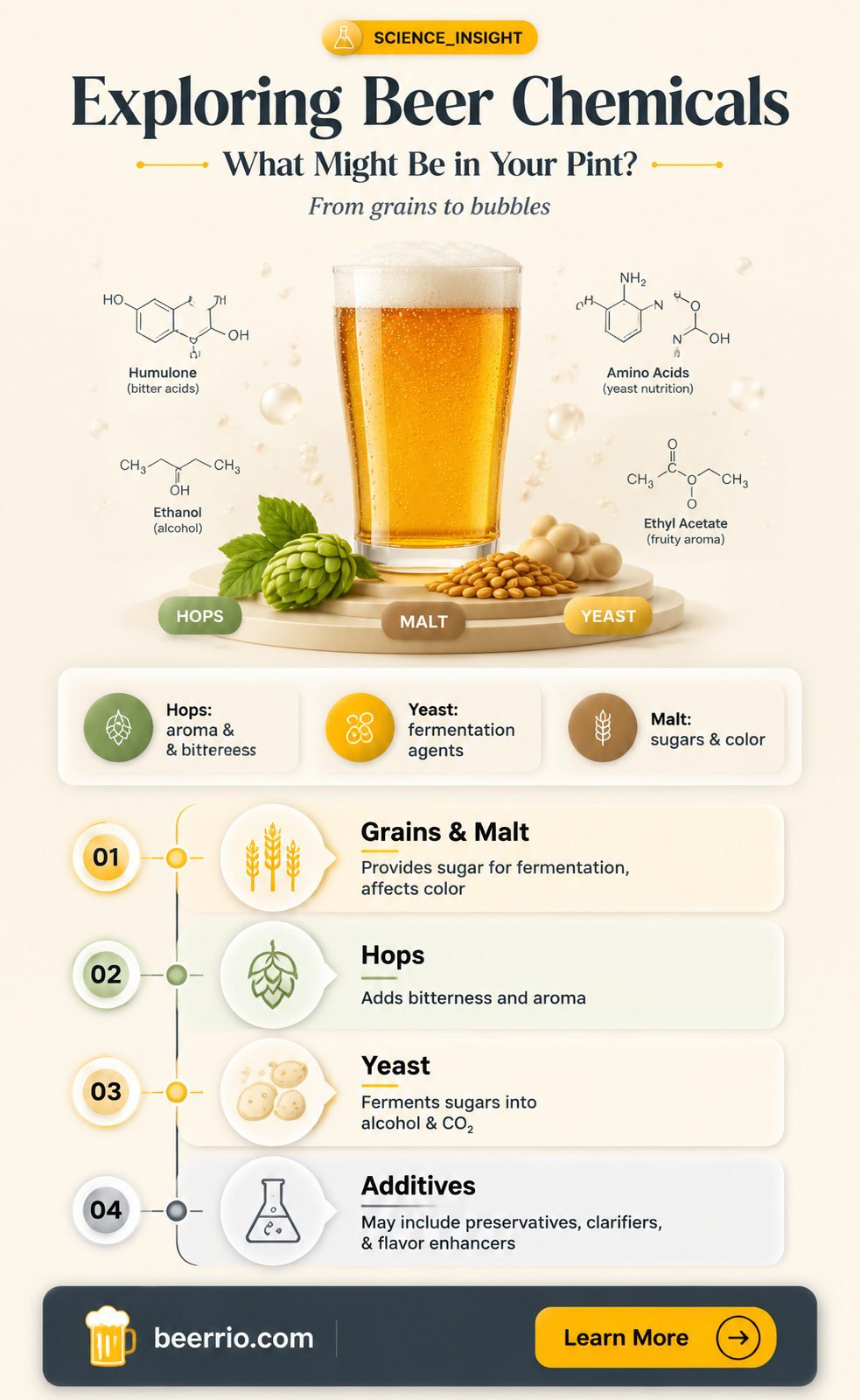
The question of whether chemicals are added to beer is a topic of interest for many consumers and enthusiasts. While the brewing process inherently involves chemical reactions, the term chemicals often carries connotations of artificial additives or preservatives. In reality, beer is primarily composed of water, malted barley, hops, and yeast, which are all natural ingredients. However, some breweries may use additional substances to enhance flavor, stability, or appearance. These can include adjuncts like corn or rice, clarifying agents, and antioxidants. It's important to note that the use of such additives is regulated by food safety authorities to ensure that they do not pose a health risk to consumers. Understanding the brewing process and the ingredients used can help demystify the presence of chemicals in beer and provide a more informed perspective on this popular beverage.
Explore related products


What You'll Learn
- Preservatives: Chemicals like sulfur dioxide and potassium sorbate prevent spoilage and oxidation
- Clarifying Agents: Substances such as isinglass and gelatin remove impurities for a clear appearance
- Flavor Additives: Ingredients like hops and barley malt contribute to the taste and aroma
- Foam Stabilizers: Compounds like propylene glycol maintain the beer's head and texture
- Color Adjustments: Caramel color and other additives enhance the visual appeal of beer

Preservatives: Chemicals like sulfur dioxide and potassium sorbate prevent spoilage and oxidation
Sulfur dioxide and potassium sorbate are two common preservatives used in the brewing industry to prevent spoilage and oxidation in beer. These chemicals play a crucial role in maintaining the quality and shelf life of the product. Sulfur dioxide, in particular, is known for its ability to inhibit the growth of bacteria and yeast, which can cause off-flavors and spoilage. It also acts as an antioxidant, preventing the oxidation of beer components that can lead to undesirable changes in flavor and aroma.
Potassium sorbate, on the other hand, is primarily used to prevent the growth of mold and yeast. It is often added to beer during the bottling process to ensure that the product remains stable and free from contaminants during storage and transportation. Both sulfur dioxide and potassium sorbate are generally recognized as safe (GRAS) by regulatory authorities, meaning they are considered safe for consumption in the quantities typically used in food and beverages.
The use of preservatives in beer is a topic of some debate among consumers and brewers. Some argue that the addition of chemicals like sulfur dioxide and potassium sorbate is unnecessary and can negatively impact the taste and quality of the beer. Others contend that these preservatives are essential for maintaining the stability and consistency of the product, especially in the case of beers that are shipped long distances or stored for extended periods.
It is important to note that the use of preservatives in beer is strictly regulated, and brewers must adhere to specific guidelines regarding the types and amounts of preservatives that can be used. These regulations are in place to ensure that the preservatives do not pose a risk to human health and that they do not compromise the quality of the beer.
In conclusion, preservatives like sulfur dioxide and potassium sorbate play a vital role in the brewing industry by preventing spoilage and oxidation in beer. While their use is a matter of some controversy, these chemicals are generally considered safe and are necessary for maintaining the quality and stability of the product. As with any food or beverage, it is essential to consume beer in moderation and to be aware of the ingredients and additives that are present in the product.
Savor the Flavor: Beer-Braised Corned Beef and Cabbage Delight
You may want to see also
Explore related products


Clarifying Agents: Substances such as isinglass and gelatin remove impurities for a clear appearance
In the brewing process, achieving a clear and visually appealing beer is often a priority. This is where clarifying agents come into play. Substances like isinglass and gelatin are commonly used to remove impurities and ensure a crystal-clear appearance. Isinglass, derived from the swim bladders of certain fish, is particularly effective at removing yeast and other particles from the beer. Gelatin, on the other hand, is a versatile clarifying agent that can be used to remove a wide range of impurities, including tannins and proteins.
The process of using clarifying agents typically involves adding the substance to the beer during the fermentation process. The agent then binds to the impurities, forming a sediment that can be easily removed through filtration or racking. The dosage of clarifying agent used can vary depending on the specific needs of the brew, but it's important to use the correct amount to avoid over-clarifying, which can strip the beer of its flavor and aroma.
One of the key benefits of using clarifying agents is that they can help to improve the overall quality of the beer. By removing impurities, they can enhance the beer's flavor, aroma, and mouthfeel. Additionally, a clear beer is often perceived as being of higher quality by consumers, which can be an important consideration for commercial brewers.
However, it's worth noting that the use of clarifying agents is not without controversy. Some argue that these substances can be harmful to the environment, particularly if they are not sourced sustainably. Additionally, there are concerns about the potential health effects of consuming beer that has been treated with clarifying agents. While these substances are generally considered safe for consumption, some people may have allergies or sensitivities to them.
In conclusion, clarifying agents like isinglass and gelatin play an important role in the brewing process, helping to remove impurities and ensure a clear, visually appealing beer. While their use has some benefits, it's important to consider the potential environmental and health impacts when deciding whether or not to use them in beer production.
The Surprising Reason Behind Salty Napkins Under Your Beer
You may want to see also
Explore related products

![[1lb] Single Step No Rinse Brewing Cleanser - Made in USA, Powerful Powdered Brewery Wash For Cleaning & Prepping Homebrew Supplies - The Perfect Keg & Carboy Cleaner, Wine Bottle Cleaner, & More!](https://m.media-amazon.com/images/I/71tVP5QZhxL._AC_UL320_.jpg)
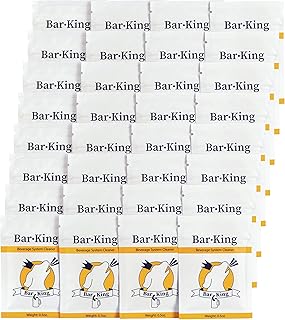


Flavor Additives: Ingredients like hops and barley malt contribute to the taste and aroma
Hops and barley malt are fundamental ingredients in beer production, each playing a crucial role in shaping the final product's flavor and aroma profile. Hops, the cone-shaped flowers of the Humulus lupulus plant, are renowned for their ability to impart bitterness, aroma, and flavor to beer. They contain compounds called alpha acids, which contribute to the beer's bitterness, and essential oils that provide a wide range of aromatic qualities, from floral and fruity to earthy and spicy. The specific variety and amount of hops used can significantly influence the beer's character, making them a key component in the brewing process.
Barley malt, on the other hand, is the primary source of fermentable sugars in beer. The malting process involves germinating barley grains, which activates enzymes that convert the starches into sugars. These sugars are then fermented by yeast to produce alcohol and carbon dioxide. Barley malt also contributes to the beer's color, body, and flavor, with different types of malt offering unique characteristics. For instance, pale malts provide a light color and subtle flavor, while darker malts, such as caramel or chocolate malt, impart richer, more complex flavors and a deeper color.
In addition to hops and barley malt, brewers may use other flavor additives to enhance the beer's taste and aroma. These can include spices, herbs, fruits, and even coffee or cocoa. The choice of additives depends on the desired flavor profile and the style of beer being produced. For example, a Belgian witbier might include spices like coriander and orange peel, while an American IPA could feature a blend of citrusy and piney hops.
The use of these flavor additives raises questions about the presence of chemicals in beer. While hops and barley malt are natural ingredients, some additives might be synthetic or processed. However, it's important to note that the brewing industry is heavily regulated, and any additives used must meet strict safety standards. Brewers also have a vested interest in maintaining the quality and integrity of their product, as consumer trust is essential to their success.
In conclusion, flavor additives like hops and barley malt are essential components of beer, contributing to its taste, aroma, and overall character. While the use of these ingredients might raise concerns about chemicals in beer, it's crucial to understand that they are natural and safe when used responsibly. The brewing process is a delicate balance of art and science, with each ingredient playing a vital role in creating the perfect pint.
Unraveling the Mystery: Why Do People Put Salt in Beer?
You may want to see also
Explore related products


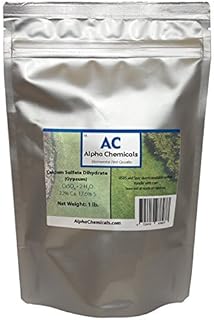
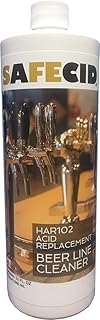

Foam Stabilizers: Compounds like propylene glycol maintain the beer's head and texture
Propylene glycol is a common foam stabilizer used in beer production. Its primary function is to maintain the beer's head and texture, which are crucial for the overall drinking experience. The head of the beer, or the foam on top, is not just for aesthetics; it also helps to release the beer's aroma compounds, enhancing the olfactory experience. Propylene glycol works by reducing the surface tension of the liquid, allowing the foam to form more easily and persist longer.
In addition to propylene glycol, other foam stabilizers like carrageenan, derived from seaweed, and lecithin, a natural emulsifier, are also used in beer. These compounds help to create a more stable and consistent foam structure. The use of foam stabilizers is particularly important in beers that are designed to have a thick, creamy head, such as stouts and porters.
While foam stabilizers are generally considered safe for consumption, some consumers may have concerns about their presence in beer. It's important to note that these compounds are used in very small quantities and are unlikely to have any significant health effects. In fact, propylene glycol is also used as a solvent for food colors and flavors, and is considered "generally recognized as safe" by the FDA.
Brewers often experiment with different foam stabilizers to achieve the desired texture and mouthfeel in their beers. The choice of stabilizer can also depend on the type of beer being produced, as different styles may require different foam characteristics. For example, a light lager may benefit from a stabilizer that produces a crisp, clean head, while a rich stout may require a stabilizer that creates a thick, creamy foam.
In conclusion, foam stabilizers like propylene glycol play a crucial role in maintaining the head and texture of beer. While they may not be a common topic of discussion among beer enthusiasts, their contribution to the overall drinking experience should not be overlooked. Brewers carefully select and use these compounds to create beers that meet their specific quality standards and consumer expectations.
Crafting the Perfect Beer Basket: A Guide to Thoughtful Brewing
You may want to see also
Explore related products
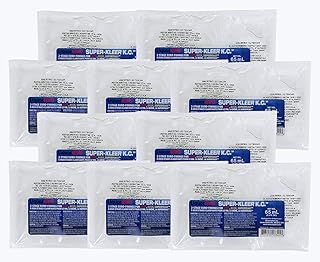


Color Adjustments: Caramel color and other additives enhance the visual appeal of beer
Caramel color is one of the most common additives used in beer production to enhance its visual appeal. This artificial coloring is derived from caramelized sugar and can range in color from light amber to dark brown. Brewers often use caramel color to give their beers a more attractive, rich hue that can influence consumer perception of the beer's quality and taste. While caramel color is generally considered safe for consumption, some consumers may be sensitive to its presence and prefer beers without artificial additives.
In addition to caramel color, other additives such as annatto, saffron, and paprika are sometimes used to impart specific colors to beer. These natural colorants can create a range of hues from yellow to red and are often used in specialty or craft beers to achieve a unique appearance. However, the use of these additives is less common than caramel color due to their higher cost and potential impact on the beer's flavor profile.
The practice of adding colorants to beer raises questions about the authenticity and naturalness of the product. Some argue that the use of artificial colors can be misleading to consumers, who may expect their beer to be free from such additives. On the other hand, proponents of color adjustments point out that they can enhance the overall drinking experience by making the beer more visually appealing and consistent in appearance.
From a regulatory standpoint, the use of color additives in beer is subject to guidelines set by various food and beverage authorities. In the United States, for example, the Food and Drug Administration (FDA) regulates the use of color additives in alcoholic beverages, ensuring that they are safe for consumption and properly labeled. However, the specific regulations can vary by country and region, leading to differences in the types and amounts of colorants allowed in beer production.
In conclusion, while color adjustments can enhance the visual appeal of beer and contribute to a more enjoyable drinking experience, they also raise questions about the naturalness and authenticity of the product. As with any food or beverage additive, it is important for consumers to be aware of the ingredients in their beer and make informed choices about what they consume.
Chilling Tradition: The Mystery Behind Beer on the Blackstone
You may want to see also
Frequently asked questions
Yes, various chemicals are added to beer during brewing. These include ingredients like hops, which contribute to the beer's bitterness and aroma, and yeast, which is essential for fermentation. Additionally, brewers may use additives like enzymes, fining agents, and preservatives to improve the beer's quality and shelf life.
Some common chemicals found in beer include ethanol (alcohol), carbon dioxide (which gives beer its fizziness), and various compounds derived from hops, such as alpha acids and essential oils. Beer also contains proteins, carbohydrates, and minerals like calcium, magnesium, and potassium.
While beer contains many chemicals, the majority are not harmful in the quantities typically consumed. However, excessive alcohol consumption can lead to health problems, and some individuals may be sensitive to certain additives or byproducts of the brewing process. It's always important to drink responsibly and consult with a healthcare professional if you have concerns about your alcohol intake.