Lucy Palmer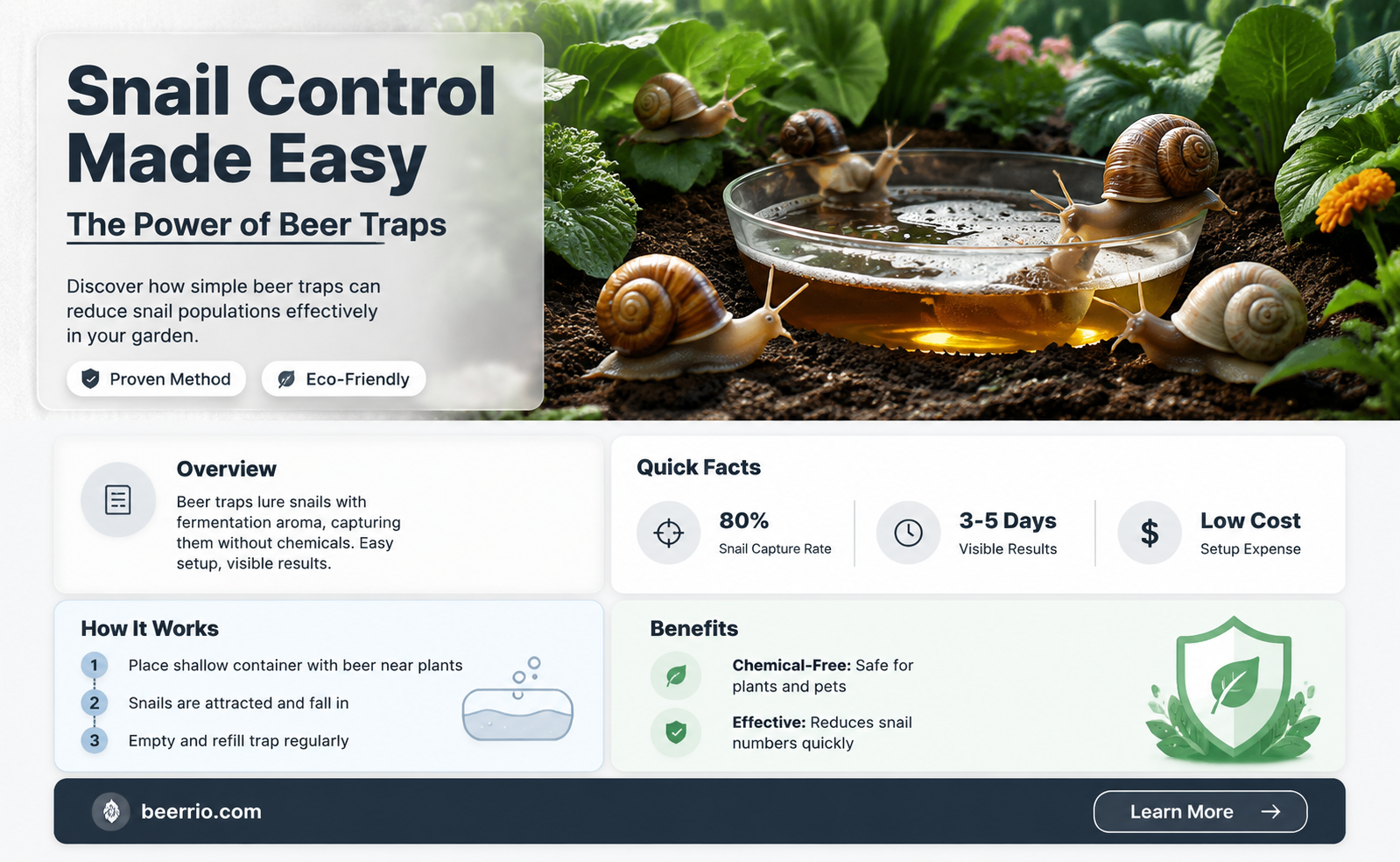
Beer traps are a popular homemade remedy for controlling snail populations in gardens and agricultural areas. The basic idea behind a beer trap is to attract snails with the scent of beer, which they find irresistible, and then drown them in the liquid. To set up a beer trap, one typically places a shallow container filled with beer in the garden, often with a piece of wood or cardboard to provide a ramp for the snails to climb into the trap. While beer traps can be effective in reducing snail numbers, their success depends on several factors, including the type of beer used, the placement of the trap, and the overall snail population in the area. Some gardeners swear by beer traps as a safe and environmentally friendly way to control snails, while others argue that they are not as effective as other methods, such as chemical baits or physical barriers.
Explore related products

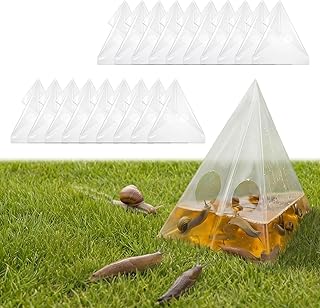


What You'll Learn
- Effectiveness: Do beer traps effectively attract and kill snails
- Setup: How to properly set up a beer trap for snails
- Alternatives: Comparing beer traps to other snail control methods
- Environmental Impact: Are beer traps safe for the environment and other wildlife
- Common Mistakes: Avoiding pitfalls when using beer traps for snail control

Effectiveness: Do beer traps effectively attract and kill snails?
Beer traps are a popular homemade remedy for controlling snail populations in gardens. The basic premise is that snails are attracted to the scent of beer, which lures them into a trap where they drown. But how effective are these traps in practice?
Studies have shown that beer traps can indeed be effective at attracting snails. The yeast in beer produces a scent that is particularly appealing to snails, drawing them towards the trap. However, the effectiveness of beer traps can vary depending on several factors.
One key factor is the type of beer used. Darker beers, such as stouts and porters, tend to be more effective than lighter beers like lagers. This is because darker beers contain more yeast, which produces a stronger scent that is more attractive to snails.
Another factor is the placement of the trap. Beer traps should be placed in areas where snails are known to be active, such as near plants or in damp, shady spots. The trap should also be placed at ground level, as snails are more likely to encounter it when they are moving around.
The design of the trap can also impact its effectiveness. A simple trap made from a plastic container filled with beer can be effective, but more elaborate traps that include a ramp or a barrier to prevent snails from escaping can be even more successful.
In conclusion, while beer traps can be an effective way to control snail populations, their success depends on several factors, including the type of beer used, the placement of the trap, and the design of the trap. By carefully considering these factors, gardeners can increase the likelihood of successfully using beer traps to manage snail infestations.
Exploring the Surprising Connection: Beer's Potential Laxative Effects
You may want to see also
Explore related products


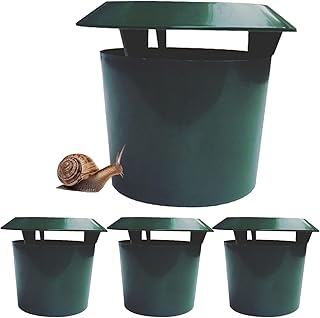

Setup: How to properly set up a beer trap for snails
To effectively set up a beer trap for snails, begin by selecting a suitable container. A shallow dish or bowl works well, as it allows the snails easy access while preventing them from escaping. Next, choose the right type of beer. Snails are particularly attracted to the yeast in beer, so a light-colored beer with a high yeast content is ideal. Avoid using dark beers or those with a strong hop flavor, as these may deter the snails.
Once you have your container and beer, find a location in your garden where snails are known to frequent. Place the container on the ground, ensuring it is stable and level. Pour the beer into the container, filling it to a depth of about an inch. Be careful not to overfill, as this may cause the beer to spill over when the snails enter.
To make the trap more effective, you can add a few drops of dish soap to the beer. This will help to break down the surface tension, making it easier for the snails to drown. You can also place a few pieces of fruit or vegetables around the container to attract the snails.
Check the trap regularly to remove any dead snails and refill the beer as needed. It's important to dispose of the dead snails properly, as they can attract other pests. You can either bury them in your garden or dispose of them in a sealed plastic bag.
Remember, while beer traps can be an effective way to control snail populations, they should be used in conjunction with other methods, such as removing debris and weeds from your garden, using mulch, and applying snail repellents. By combining these methods, you can create a more comprehensive pest control strategy that will help to keep your garden snail-free.
Exploring the Effectiveness of Beer Coozies: Do They Really Work?
You may want to see also
Explore related products

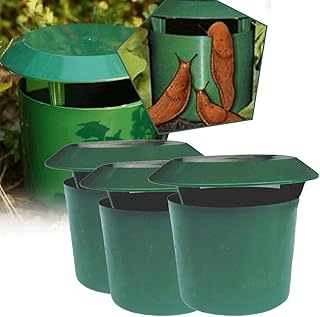


Alternatives: Comparing beer traps to other snail control methods
While beer traps have gained popularity as a DIY snail control method, they are not the only option available for gardeners looking to manage their snail populations. One alternative is the use of copper barriers, which can be effective in deterring snails due to their sensitivity to the metal. Copper tape or mesh can be placed around the perimeter of garden beds or individual plants to create a barrier that snails are reluctant to cross. This method is non-toxic and can be a long-lasting solution, though it may require regular maintenance to ensure the copper remains effective.
Another option is the use of organic snail control products, such as those containing iron phosphate. These products work by dehydrating the snails, causing them to die. They are considered safe for use around pets and children and can be applied directly to the soil or plants. However, they may not be as effective in high-humidity environments and can be more expensive than other methods.
For those looking for a more hands-on approach, manual removal of snails can be an effective, albeit time-consuming, method. This involves physically picking up and disposing of snails found in the garden. It is important to wear gloves and dispose of the snails properly to avoid spreading diseases or parasites. This method is best suited for small gardens or areas with low snail populations.
In conclusion, while beer traps may be a popular and easy-to-use method for controlling snails, there are several alternatives available that may be more effective or suitable for different situations. Gardeners should consider factors such as the size of their garden, the severity of their snail problem, and their personal preferences when choosing a snail control method.
Exploring the Myth: Do Beer Enemas Really Work?
You may want to see also
Explore related products


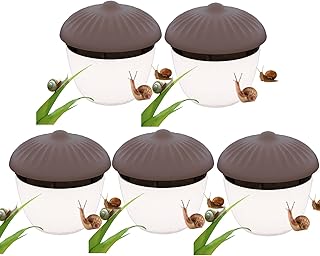

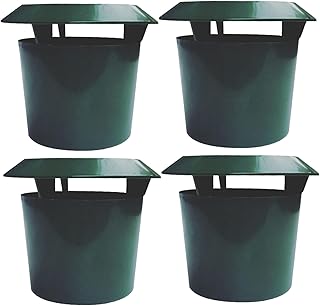

Environmental Impact: Are beer traps safe for the environment and other wildlife?
While beer traps may be an effective method for controlling snail populations in gardens, their environmental impact is a growing concern. One of the primary issues is the potential harm they can cause to other wildlife. Beer traps are designed to attract and drown snails, but they can also attract other small animals, such as slugs, insects, and even small mammals or birds. These unintended victims may fall into the trap and drown, leading to an imbalance in the local ecosystem.
Another environmental concern is the disposal of the beer trap contents. The mixture of beer and drowned snails can be harmful if released into the environment, potentially contaminating soil and water sources. This can have a negative impact on plant life and other organisms that rely on these resources. Additionally, the use of glass or plastic containers for beer traps can contribute to waste and pollution if not properly disposed of or recycled.
To mitigate these environmental impacts, gardeners can take several steps. First, they can use alternative snail control methods, such as manual removal, copper barriers, or organic repellents. If beer traps are necessary, they can be designed with features that reduce the risk of attracting other wildlife, such as using a narrow opening or placing the trap close to the ground. Gardeners should also ensure that they properly dispose of the trap contents and containers, following local waste management guidelines.
In conclusion, while beer traps may be a useful tool for controlling snail populations, their environmental impact cannot be ignored. Gardeners should carefully consider the potential harm they can cause to other wildlife and the environment, and take steps to minimize these risks. By using alternative methods or modifying beer trap designs and disposal practices, gardeners can help protect the environment while still managing snail infestations.
Exploring the Quirky World of Bazooka Tubes for Beer Storage
You may want to see also
Explore related products


Common Mistakes: Avoiding pitfalls when using beer traps for snail control
One common mistake when using beer traps for snail control is not considering the placement of the traps. Snails are more likely to be attracted to the traps if they are placed in areas where they are most active, such as near their food sources or in damp, shaded locations. Another mistake is not using the right type of beer. Snails are more attracted to certain types of beer, such as those with a higher sugar content. It is also important to use fresh beer, as stale beer may not be as effective.
Another pitfall to avoid is not monitoring the traps regularly. Snails can quickly multiply, and if the traps are not emptied frequently, they may become ineffective. It is also important to dispose of the snails properly, as simply releasing them back into the wild may not be effective in controlling their population. Finally, it is important to use beer traps in conjunction with other snail control methods, such as removing their food sources and creating barriers to prevent them from entering certain areas. By avoiding these common mistakes, beer traps can be an effective tool in controlling snail populations.
Exploring the Benefits and Drawbacks of Beer Bar Memberships
You may want to see also
Frequently asked questions
Yes, beer traps can be effective in attracting and killing snails. Snails are drawn to the scent of beer, particularly darker beers like stout or porter, which contain higher levels of malt. Once they enter the trap, they drown in the liquid.
To set up a beer trap for snails, you need a shallow container, such as a plastic tub or a large jar, and some beer. Pour about an inch of beer into the container and place it in an area where snails are known to frequent. Make sure the container is stable and won't tip over easily. Check the trap regularly to remove any dead snails and refill the beer as needed.
While beer traps can be effective, there are other methods that may be more efficient for controlling snail populations. These include using copper barriers, which snails cannot cross due to the reaction between their slime and the copper; hand-picking snails; using snail pellets or baits containing metaldehyde or iron phosphate; and introducing natural predators like ducks, chickens, or certain species of fish.