Lucy Palmer
Witbier and wheat beer are two distinct styles of beer that often get confused due to their similar names and ingredients. However, they have unique characteristics and brewing traditions. Witbier, also known as Belgian white beer, is a style that originated in Belgium and is typically brewed with wheat, barley, and spices like coriander and orange peel. It is usually unfiltered, giving it a cloudy appearance, and has a refreshing, citrusy flavor profile. On the other hand, wheat beer, or Weissbier, is a German style that is also brewed with a significant proportion of wheat. It is typically filtered, resulting in a clearer beer, and has a more subtle, malty flavor with hints of clove and banana. While both styles share some similarities, their differences in brewing techniques, ingredients, and flavor profiles set them apart as unique and enjoyable beer varieties.
Explore related products


What You'll Learn
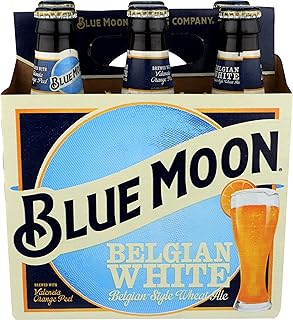
- Ingredients: Witbier uses coriander and orange peel, while wheat beer typically does not
- Brewing Process: Witbier is usually unfiltered, giving it a cloudy appearance, whereas wheat beer is often filtered
- Flavor Profile: Witbier has a spicy, citrusy taste due to its unique spices, while wheat beer is generally lighter and more refreshing
- Alcohol Content: Both styles can vary, but witbier often has a slightly higher alcohol by volume (ABV) than wheat beer
- Origins: Witbier originates from Belgium, specifically Hoegaarden, while wheat beer has German roots, known as Weissbier

Ingredients: Witbier uses coriander and orange peel, while wheat beer typically does not
Witbier and wheat beer, while both beloved for their light and refreshing qualities, diverge significantly in their ingredient composition. The former, a traditional Belgian style, is characterized by the inclusion of coriander and orange peel, which impart a distinctive citrusy and slightly spicy flavor profile. These botanicals are integral to the beer's identity, offering a complex and aromatic experience that sets it apart from other wheat-based brews.
In contrast, wheat beer, a broader category that encompasses various styles such as Hefeweizen and Weissbier, typically eschews these additional flavorings. Instead, it relies on the natural esters and phenols produced during fermentation to create its signature taste. This results in a cleaner, more straightforward flavor profile that highlights the malt and yeast characteristics.
The use of coriander and orange peel in witbier not only enhances its flavor but also contributes to its historical and cultural significance. These ingredients have been used for centuries in Belgian brewing traditions, reflecting the region's rich heritage and expertise in beer-making. The careful balance of these botanicals with the malt and hops creates a harmonious and sophisticated beverage that is both refreshing and complex.
For those interested in homebrewing or experimenting with different beer styles, understanding the ingredient differences between witbier and wheat beer is crucial. By incorporating coriander and orange peel into a wheat beer recipe, one can create a unique hybrid that combines the best of both worlds. This approach allows for the development of new and exciting flavor profiles, pushing the boundaries of traditional brewing techniques.
In conclusion, the distinction between witbier and wheat beer lies not only in their flavor profiles but also in their ingredients and brewing traditions. Witbier's use of coriander and orange peel adds a layer of complexity and depth that is absent in most wheat beers, making it a fascinating subject for beer enthusiasts and brewers alike.
Exploring the Richness of Belgian Beers: Are They Wheat-Based?
You may want to see also
Explore related products


Brewing Process: Witbier is usually unfiltered, giving it a cloudy appearance, whereas wheat beer is often filtered
The brewing process plays a crucial role in distinguishing witbier from wheat beer. Witbier, a traditional Belgian style, is typically unfiltered, which contributes to its characteristic cloudy appearance. This unfiltered nature allows the yeast and other sediment to remain in the beer, imparting a unique texture and flavor profile. In contrast, wheat beer, which can encompass various styles such as German Hefeweizen or American Wheat Ale, is often filtered to achieve a clearer look. The filtration process removes much of the yeast and sediment, resulting in a smoother and often lighter-bodied beer.
One of the key differences in the brewing process between witbier and wheat beer lies in the handling of the yeast. For witbier, the yeast is often left in the bottle during fermentation and serving, which can lead to a more complex and funky flavor profile over time. This is in line with the traditional Belgian brewing methods, where the yeast is considered an essential component of the beer's character. On the other hand, wheat beers are usually fermented with the yeast being removed before bottling, which helps in achieving a cleaner taste and appearance.
Another aspect to consider is the use of adjuncts and spices. Witbier is known for its use of coriander and orange peel, which are added during the brewing process to infuse the beer with distinctive citrus and herbal notes. These spices not only contribute to the flavor but also enhance the beer's aromatic qualities. Wheat beers, while they may also use spices, tend to focus more on the natural flavors derived from the wheat and yeast.
In terms of practical tips for homebrewers, when brewing a witbier, it's essential to ensure that the yeast remains active throughout the fermentation process to achieve the desired cloudy appearance and complex flavors. This can be done by maintaining the right fermentation temperature and using a yeast strain that is known for its ability to produce a hazy beer. For wheat beers, controlling the fermentation temperature is also crucial, but the focus should be on achieving a clean and smooth finish through proper filtration and yeast removal.
In conclusion, the brewing process for witbier and wheat beer, while sharing some similarities, has distinct differences that contribute to their unique characteristics. Understanding these differences can help brewers create authentic and flavorful examples of each style.
Exploring the Grainy World: Are Ales and Wheat Beers One and the Same?
You may want to see also
Explore related products




Flavor Profile: Witbier has a spicy, citrusy taste due to its unique spices, while wheat beer is generally lighter and more refreshing
Witbier, a traditional Belgian beer style, is renowned for its complex flavor profile that combines spicy and citrusy notes. This unique taste is primarily derived from the blend of spices used in its brewing process, which often includes coriander, orange peel, and sometimes cardamom or cloves. These spices impart a distinctive aroma and flavor that sets witbier apart from other beer styles. The citrusy aspect of witbier is typically more pronounced, offering a refreshing and zesty character that balances the warmth of the spices.
In contrast, wheat beer, also known as hefeweizen or weizen, is characterized by its lighter and more refreshing taste. This beer style is brewed with a significant proportion of wheat in addition to barley, which contributes to its hazy appearance and soft, smooth mouthfeel. Wheat beers often have subtle flavors of banana, clove, and sometimes a hint of citrus, but these are generally less intense than the flavors found in witbier. The overall profile of wheat beer is more delicate and easy-drinking, making it a popular choice for those seeking a lighter beer option.
The difference in flavor profiles between witbier and wheat beer can be attributed to several factors, including the types of grains used, the brewing techniques employed, and the specific spices or ingredients added during the brewing process. Witbier's bold and spicy character is a result of the traditional Belgian brewing methods and the generous use of spices, while wheat beer's light and refreshing taste is a product of its German brewing heritage and the emphasis on wheat as a primary ingredient.
When comparing the two beer styles, it's important to note that while both may have some citrusy notes, witbier's flavor is more complex and intense due to the unique spices used. Wheat beer, on the other hand, offers a simpler and more subdued flavor profile that is centered around its wheat-based character. Understanding these differences can help beer enthusiasts appreciate the distinct qualities of each style and make informed choices when selecting a beer to enjoy.
Exploring Wheat Beers: Are They Truly Heavy and Bitter?
You may want to see also
Explore related products


Alcohol Content: Both styles can vary, but witbier often has a slightly higher alcohol by volume (ABV) than wheat beer
Witbier and wheat beer, while sharing some similarities, have distinct differences in their alcohol content. Witbier, a style of beer originating from Belgium, typically has a higher alcohol by volume (ABV) compared to wheat beer. This difference in ABV can be attributed to the brewing process and ingredients used in each style.
Witbier is known for its complex flavor profile, which often includes notes of citrus, spice, and fruit. To achieve these flavors, brewers may use a variety of ingredients such as coriander, orange peel, and other spices. The fermentation process for witbier also tends to be longer, which can contribute to a higher ABV. On average, witbier has an ABV ranging from 4.5% to 6.5%.
Wheat beer, on the other hand, is characterized by its light, refreshing taste and cloudy appearance. It is typically brewed with a higher proportion of wheat in addition to barley, which gives it a unique flavor and texture. Wheat beer is often unfiltered, which contributes to its hazy look and can also affect the ABV. The ABV of wheat beer usually ranges from 4% to 5.5%.
When comparing the two styles, it's important to note that the difference in ABV is not drastic, but it can be noticeable. For those who prefer a stronger beer, witbier may be the better choice. However, for those who enjoy a lighter, more refreshing option, wheat beer might be more suitable.
In conclusion, while both witbier and wheat beer are delicious and unique in their own ways, the difference in alcohol content is a key factor to consider when choosing between the two. Whether you're looking for a stronger, more complex beer or a lighter, refreshing option, understanding the ABV of each style can help you make an informed decision.
Exploring the Hoppy Horizons of Wheat Beers: A Flavorful Journey
You may want to see also
Explore related products




Origins: Witbier originates from Belgium, specifically Hoegaarden, while wheat beer has German roots, known as Weissbier
Witbier, a style of beer that has captivated palates worldwide, traces its origins back to the quaint town of Hoegaarden in Belgium. This region, known for its brewing heritage, birthed a beer style that would become synonymous with refreshing citrus notes and a cloudy, inviting appearance. The traditional brewing methods employed in Hoegaarden involved the use of local wheat and a unique blend of spices, which contributed to the distinctive flavor profile of Witbier.
In contrast, wheat beer, or Weissbier as it is affectionately known in Germany, has its roots firmly planted in the Bavarian region. This style of beer is characterized by its light, crisp taste and the prominent use of wheat in its brewing process. The Germans have a long-standing tradition of brewing wheat beers, with historical records dating back to the 16th century. The unique fermentation process and the addition of specific yeast strains contribute to the beer's signature cloudy appearance and refreshing taste.
While both Witbier and wheat beer share some similarities, such as the use of wheat in their brewing process, their origins and flavor profiles set them apart. Witbier's Belgian roots are reflected in its complex, spicy character, often infused with notes of orange peel and coriander. On the other hand, wheat beer's German heritage is evident in its lighter, more delicate taste, with subtle hints of banana and clove.
Understanding the origins of these two beer styles not only provides insight into their unique characteristics but also highlights the rich brewing traditions of Belgium and Germany. Whether you're a beer enthusiast or a casual drinker, exploring the distinct flavors and histories of Witbier and wheat beer is a journey worth embarking on.
Exploring the Unique World of Kölsch Beers: Are They Wheat-Based?
You may want to see also
Frequently asked questions
Yes, Witbier and Wheat Beer are different types of beer, each with its own unique characteristics and brewing traditions.
Witbier typically contains a higher proportion of wheat and often includes spices like coriander and orange peel, while Wheat Beer may have a lower wheat content and is usually unspiced.
Witbier tends to have a more complex flavor profile due to the spices used, often featuring citrus and herbal notes. Wheat Beer, on the other hand, usually has a simpler, more straightforward taste with a focus on the wheat's natural flavors.
Witbier originates from Belgium and has a long history dating back to the Middle Ages. Wheat Beer, while also having European roots, is more commonly associated with German brewing traditions.
Witbier typically has a cloudy, hazy appearance due to the wheat and spices used in brewing. Wheat Beer can also be hazy, but it often has a clearer appearance compared to Witbier, especially if it's filtered.