Jason Wagner
When it comes to enjoying a beer as a diabetic, it's crucial to make informed choices to manage blood sugar levels effectively. A good beer for diabetics typically has a lower carbohydrate content, as carbs can significantly impact blood glucose levels. Lighter beers, such as lagers or pilsners, often have fewer carbs compared to heavier ales or stouts. Additionally, some breweries produce beers specifically designed for diabetics, using alternative sweeteners or brewing methods to reduce the carbohydrate content. It's always advisable for diabetics to consult with their healthcare provider about alcohol consumption and to monitor their blood sugar levels closely when drinking.
| Characteristics | Values |
|---|---|
| Type | Light beer or low-carb beer |
| Alcohol Content | 4-5% ABV |
| Carbohydrates | 2-5 grams per serving |
| Calories | 100-150 per serving |
| Bitterness | Moderate to high (helps balance sweetness) |
| Ingredients | Barley, hops, water, yeast (avoid added sugars) |
| Brewing Process | Traditional brewing with no added sugars |
| Flavor Profile | Crisp, clean, slightly bitter |
| Serving Size | 12 oz (355 ml) |
| Glycemic Index | Low (helps manage blood sugar levels) |
| Brand Examples | Michelob Ultra, Bud Light, Coors Light |
| Availability | Widely available in stores and restaurants |
| Price | Comparable to regular beers |
| Reviews | Generally positive for taste and health benefits |
| Recommendations | Consult with a healthcare provider for personalized advice |
Explore related products


What You'll Learn
- Low-Carb Options: Beers with reduced carbohydrate content suitable for diabetic diets
- Sugar-Free Alternatives: Diabetic-friendly beers that eliminate or minimize sugar content
- Alcohol Content: Understanding how alcohol affects blood sugar levels in diabetics
- Nutritional Considerations: Evaluating the nutritional profile of beers for diabetic consumers
- Moderation and Monitoring: Tips for diabetics on how to enjoy beer responsibly while managing their condition

Low-Carb Options: Beers with reduced carbohydrate content suitable for diabetic diets
For individuals managing diabetes, finding a beer that fits within their dietary restrictions can be challenging. However, there are several low-carb options available that can be enjoyed without significantly impacting blood sugar levels. These beers typically have reduced carbohydrate content, making them more suitable for diabetic diets.
One popular low-carb beer option is Michelob Ultra, which contains only 2 grams of carbohydrates per serving. This light lager is brewed with a blend of barley and rice, resulting in a crisp, refreshing taste with fewer carbs than traditional beers. Another option is Bud Light, which has 6 grams of carbohydrates per serving. While not as low as Michelob Ultra, Bud Light is still a more carb-conscious choice compared to regular beers.
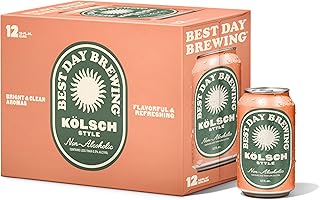
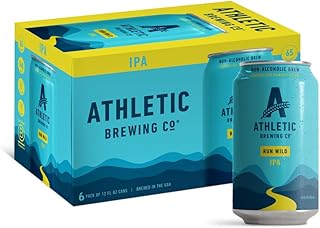
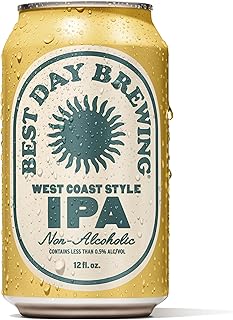
For those looking for a non-alcoholic option, there are also low-carb beers available. For example, Heineken 0.0 contains only 1 gram of carbohydrates per serving, making it an excellent choice for diabetics who want to enjoy the taste of beer without the alcohol content. Additionally, many craft breweries are now producing low-carb beers, offering a wider variety of flavors and styles for diabetic consumers.
When selecting a low-carb beer, it's essential to consider the overall nutritional content, not just the carbohydrate count. Some low-carb beers may have higher calorie or sugar content, which can still impact blood sugar levels. It's also important to monitor portion sizes and consume alcohol in moderation, as excessive alcohol consumption can lead to other health complications.
In conclusion, there are several low-carb beer options available that can be enjoyed by individuals with diabetes. By choosing beers with reduced carbohydrate content and being mindful of portion sizes and overall nutritional content, diabetics can still enjoy the occasional beer without compromising their dietary needs.
Exploring the Taste and Reputation of Samuel Adams Beer
You may want to see also
Explore related products



Sugar-Free Alternatives: Diabetic-friendly beers that eliminate or minimize sugar content
For individuals managing diabetes, finding a beer that aligns with their dietary restrictions can be challenging. Traditional beers often contain significant amounts of sugar, which can impact blood glucose levels. However, there is a growing market for sugar-free alternatives that cater specifically to diabetics. These beers eliminate or minimize sugar content, making them a safer choice for those monitoring their carbohydrate intake.
One notable option is Michelob Ultra, which is known for its low-carb content. This beer uses a blend of barley malt, corn, and rice to reduce its carbohydrate count to just 2 grams per serving. Another popular choice is Bud Light, which contains 3 grams of carbs per 12-ounce serving. Both of these options are widely available and offer a taste profile similar to traditional beers, making them appealing alternatives for diabetics.
It's important to note that while these beers are lower in sugar, they are not completely sugar-free. Some residual sugars may still be present, so it's crucial for diabetics to monitor their portion sizes and factor these drinks into their overall meal plan. Additionally, individual tolerance to these beers may vary, so it's recommended to test blood glucose levels before and after consumption to ensure they align with personal dietary needs.
When selecting a sugar-free beer, diabetics should also consider the alcohol content. Higher alcohol concentrations can lead to increased blood glucose levels, so opting for lower-alcohol beers may be beneficial. For example, Michelob Ultra has an alcohol by volume (ABV) of 4.2%, while Bud Light has an ABV of 4.7%. These are relatively low compared to other beers, making them more suitable choices for those with diabetes.
In conclusion, sugar-free alternatives like Michelob Ultra and Bud Light can be good options for diabetics looking to enjoy a beer without significantly impacting their blood glucose levels. However, it's essential to consume these beverages in moderation and monitor their effects on individual health. As the market for diabetic-friendly beers continues to grow, more options are likely to become available, providing even greater choices for those managing diabetes.
Exploring the Taste and Reputation of Miller High Life Beer
You may want to see also
Explore related products




Alcohol Content: Understanding how alcohol affects blood sugar levels in diabetics
Alcohol can have a significant impact on blood sugar levels in diabetics, making it crucial for individuals with diabetes to understand how alcohol consumption affects their condition. When alcohol is consumed, it can lead to either an increase or decrease in blood sugar levels, depending on various factors such as the amount of alcohol consumed, the individual's overall health, and their diabetes management plan.
One of the primary ways alcohol affects blood sugar levels is by inhibiting the liver's ability to release stored glucose into the bloodstream. This can lead to hypoglycemia (low blood sugar) in diabetics, especially if they are taking insulin or other medications that lower blood sugar levels. On the other hand, alcohol can also cause blood sugar levels to rise if it is consumed in excess, as it contains calories and can contribute to weight gain, which is a risk factor for high blood sugar levels.
It is important for diabetics to monitor their blood sugar levels closely when consuming alcohol and to do so in moderation. The American Diabetes Association recommends that women with diabetes limit their alcohol consumption to one drink per day, while men with diabetes should limit their intake to two drinks per day. It is also advisable for diabetics to consume alcohol with food, as this can help to slow down the absorption of alcohol into the bloodstream and reduce its impact on blood sugar levels.
In terms of beer specifically, diabetics should be aware that different types of beer can have varying effects on blood sugar levels. For example, light beers tend to have fewer calories and carbohydrates than regular beers, which can make them a better choice for diabetics. However, it is still important to consume beer in moderation and to monitor blood sugar levels closely.
Ultimately, the key to managing alcohol consumption as a diabetic is to be aware of how alcohol affects blood sugar levels and to take steps to minimize its impact. This includes monitoring blood sugar levels closely, consuming alcohol in moderation, and working with a healthcare provider to develop a diabetes management plan that takes into account individual needs and circumstances.
Brewing Benefits: Can Beer Nourish Your Tomato Plants?
You may want to see also
Explore related products


Nutritional Considerations: Evaluating the nutritional profile of beers for diabetic consumers
Analyzing the nutritional content of beer is crucial for diabetic consumers who want to make informed choices about their beverage intake. Beers can vary significantly in their carbohydrate and sugar content, which directly impacts blood glucose levels. Diabetics should look for beers with lower carbohydrate counts, as these will have a lesser effect on blood sugar.
One approach to evaluating the nutritional profile of beers is to compare their glycemic index (GI). The GI measures how quickly foods and beverages raise blood sugar levels. Beers with a lower GI are generally better choices for diabetics, as they cause a slower and more gradual increase in blood glucose. Additionally, some beers are brewed with alternative grains or sweeteners that have a lower GI, making them more suitable for diabetic consumption.
Another important consideration is the alcohol content of the beer. Alcohol can interfere with the body's ability to regulate blood sugar, and it can also lead to weight gain, which is a concern for many diabetics. Choosing beers with lower alcohol by volume (ABV) can help mitigate these risks. Furthermore, diabetics should be mindful of their overall alcohol intake and avoid binge drinking, as this can lead to dangerous fluctuations in blood sugar levels.
When selecting a beer, diabetics should also pay attention to the serving size. Even a low-carbohydrate beer can raise blood sugar levels if consumed in large quantities. It's essential to practice portion control and to pair beer consumption with a balanced meal that includes protein and fiber, which can help slow the absorption of carbohydrates and maintain more stable blood sugar levels.
In conclusion, diabetic consumers can enjoy beer in moderation by carefully evaluating the nutritional profile of different options. By considering factors such as carbohydrate content, glycemic index, alcohol content, and serving size, diabetics can make informed choices that align with their health goals and dietary restrictions.
Exploring the Taste and Health Benefits of Michelob Ultra Beer
You may want to see also
Explore related products



Moderation and Monitoring: Tips for diabetics on how to enjoy beer responsibly while managing their condition
For diabetics, enjoying a beer responsibly involves careful moderation and vigilant monitoring. It's essential to understand that beer, like other alcoholic beverages, can impact blood sugar levels and insulin sensitivity. Therefore, the key to safe consumption lies in balancing the enjoyment of beer with the management of diabetes.
Firstly, moderation is crucial. Diabetics should limit their alcohol intake to no more than one drink per day for women and two drinks per day for men. A standard drink is typically defined as 12 ounces of beer, 5 ounces of wine, or 1.5 ounces of distilled spirits. It's important to note that these are general guidelines, and individual tolerance may vary. Consulting with a healthcare provider is advisable to determine a safe drinking limit based on personal health status and diabetes management goals.
Monitoring blood sugar levels before, during, and after drinking is equally important. Alcohol can cause blood sugar levels to fluctuate, leading to hypoglycemia (low blood sugar) or hyperglycemia (high blood sugar). Diabetics should check their blood sugar levels frequently and be prepared to adjust their insulin dosage or carbohydrate intake accordingly. It's also beneficial to eat a balanced meal or snack that includes carbohydrates, protein, and healthy fats before drinking to help stabilize blood sugar levels.
Choosing the right type of beer can also make a difference. Light beers, which are lower in calories and carbohydrates, may be a better option for diabetics. However, it's essential to remember that even light beers can affect blood sugar levels, and moderation is still key. Some diabetics may prefer non-alcoholic beers as an alternative, which can provide the social and sensory experience of drinking without the risks associated with alcohol consumption.
In addition to these practical tips, diabetics should be aware of the potential risks associated with drinking beer. Alcohol can impair judgment and coordination, making it more challenging to manage diabetes effectively. It can also interact with certain medications, including insulin and oral diabetes medications, leading to adverse effects. Therefore, it's crucial for diabetics to discuss their alcohol consumption with their healthcare provider and to be mindful of how drinking may impact their overall health and diabetes management.
In conclusion, diabetics can enjoy beer responsibly by practicing moderation, monitoring their blood sugar levels, choosing appropriate types of beer, and being aware of the potential risks. By taking these precautions, diabetics can balance their desire to enjoy a social drink with the need to manage their condition effectively.
Exploring the Health Benefits of Dark Beer: A Nutritional Perspective
You may want to see also
Frequently asked questions
A good beer for diabetics is one that is low in carbohydrates and sugar. Some options include Michelob Ultra, Bud Light, and Coors Light.
Beer can raise blood sugar levels due to its carbohydrate and alcohol content. It's important for diabetics to monitor their blood sugar levels and consume beer in moderation.
Yes, there are sugar-free beers available. Some options include Michelob Ultra, Bud Light, and Coors Light.
The recommended serving size of beer for diabetics is one drink, which is equivalent to 12 ounces of beer.
Diabetics do not necessarily need to avoid beer altogether, but they should consume it in moderation and monitor their blood sugar levels. It's also important to choose a beer that is low in carbohydrates and sugar.


![[Pack of 24] Bud Full Flavored Zero Alcohol Brew, 0.00 ALC, NA Non-Alcoholic Beer, 50 Cal, Zero Sugar, Cans, 12 Fl Oz (Pack of 24)](https://m.media-amazon.com/images/I/51RUqU+bqVL._AC_UL320_.jpg)