Lucy Palmer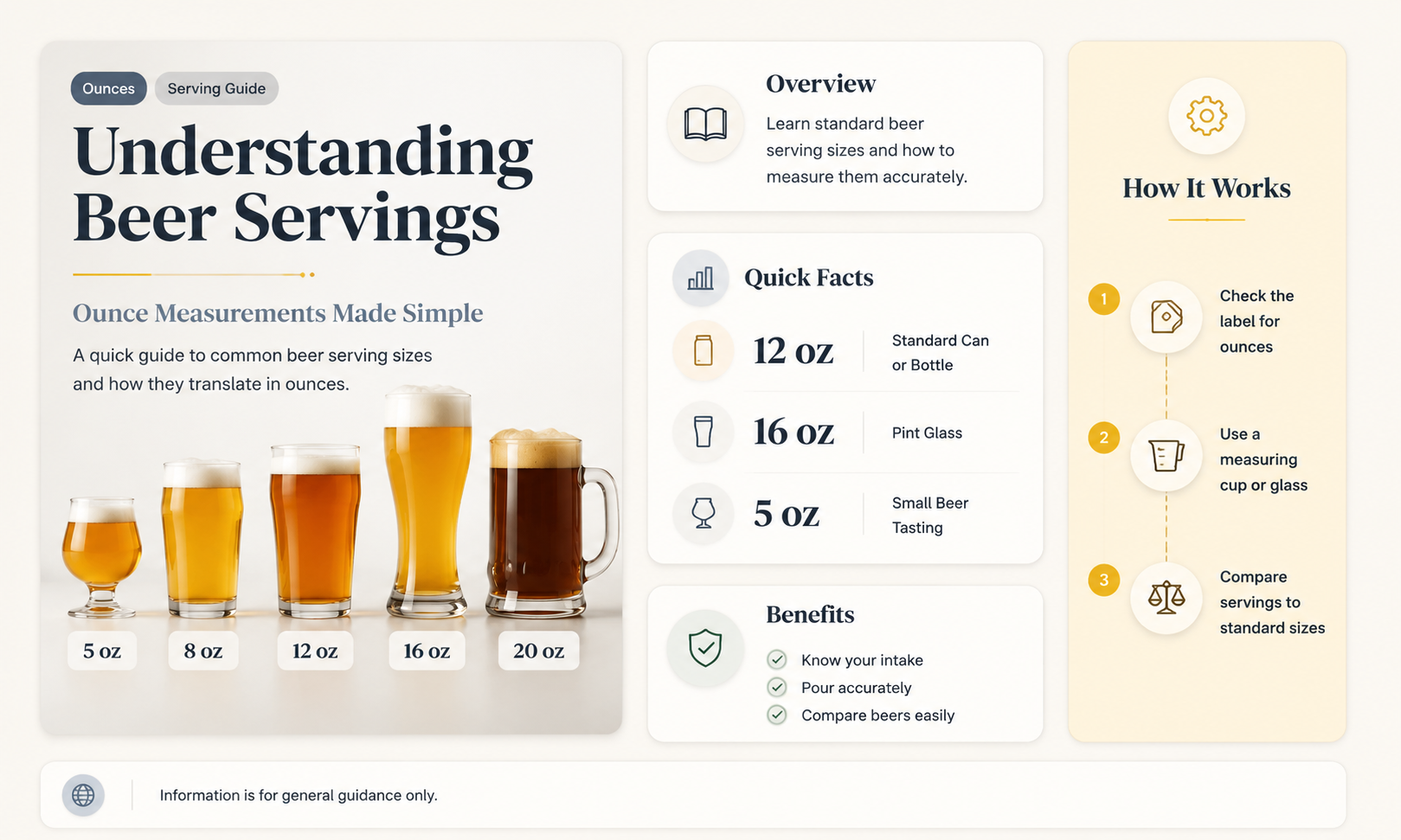
A standard serving of beer typically contains 12 fluid ounces. This measurement is widely accepted in the United States and is often used as a reference point for determining alcohol content and caloric intake. However, it's important to note that serving sizes can vary depending on the type of beer and the country or region in which it is being served. For example, a serving of beer in some European countries may be larger, often around 500 milliliters or more. Understanding serving sizes is crucial for responsible drinking and for accurately tracking one's alcohol consumption.
Explore related products




What You'll Learn

Standard serving sizes for beer
In the United States, a standard serving of beer is typically defined as 12 fluid ounces. This measurement is widely accepted across the country and is used as a basis for determining alcohol content and pricing. However, it's important to note that serving sizes can vary depending on the type of beer and the establishment serving it. For example, craft breweries often serve their beers in smaller quantities, such as 8 or 10 ounces, to allow customers to sample multiple types without consuming too much alcohol.
In other countries, serving sizes can differ significantly. In the United Kingdom, a standard serving of beer is 1 pint, which is equivalent to approximately 20 fluid ounces. In Germany, a typical serving size is 0.5 liters, or about 16.9 fluid ounces. These variations highlight the importance of being aware of local customs and regulations when consuming beer abroad.
It's also worth noting that the alcohol content of beer can vary widely, even within the same serving size. Light beers typically have an alcohol by volume (ABV) of around 4-5%, while craft beers can range from 5-10% ABV or higher. This means that a standard serving of beer can contain anywhere from 0.48 to 1.2 ounces of pure alcohol, depending on the type of beer.
When it comes to determining how many ounces are in a serving of beer, it's essential to consider both the serving size and the alcohol content. This information can help individuals make informed decisions about their alcohol consumption and ensure that they are drinking responsibly. Additionally, understanding serving sizes can be helpful when comparing prices and value between different types of beer.
In conclusion, while a standard serving of beer in the United States is typically 12 fluid ounces, serving sizes can vary depending on the type of beer and the location. Being aware of these variations and understanding the alcohol content of different beers can help individuals make responsible and informed decisions about their alcohol consumption.
Understanding Beer Servings: A Guide to Standard Pour Sizes
You may want to see also
Explore related products



Variations in serving sizes by country
In the United States, a standard serving of beer is typically 12 fluid ounces. However, this is not the case in every country. For instance, in the United Kingdom, a serving of beer is often 11.2 fluid ounces, while in Canada, it can be 12 or 16 ounces depending on the province. In Germany, a serving of beer is usually 11.2 fluid ounces, but in Bavaria, it is traditionally 1 liter. These variations in serving sizes can be attributed to differences in cultural norms, regulations, and brewing traditions.
In Japan, a serving of beer is typically 6.76 fluid ounces, which is significantly smaller than in Western countries. This is partly due to the fact that Japanese beer is often served in small glasses to maintain its temperature and carbonation. In contrast, in Australia, a serving of beer is usually 10 fluid ounces, but it can also be served in larger sizes, such as 16 or 20 ounces, especially in pubs and bars.
In some countries, serving sizes are regulated by law. For example, in Sweden, a serving of beer cannot exceed 16.9 fluid ounces, while in Finland, the maximum serving size is 13.5 fluid ounces. These regulations are often in place to promote responsible drinking and to prevent overconsumption.
In addition to these variations, it is also important to note that serving sizes can differ depending on the type of beer being served. For instance, craft beers are often served in smaller sizes, such as 8 or 10 ounces, to allow drinkers to sample different types of beer without consuming too much alcohol. Similarly, in some countries, beers with higher alcohol content are served in smaller sizes to prevent overconsumption.
In conclusion, the serving size of beer varies significantly from country to country, and even within countries, depending on the type of beer and local regulations. These variations reflect differences in cultural norms, brewing traditions, and attitudes towards responsible drinking.
From Brews to Brains: Decoding the Half Barrel Beer Mystery
You may want to see also
Explore related products




Factors influencing serving size
Serving size in the context of beer consumption is influenced by a variety of factors, each contributing to the overall experience and impact of drinking. One primary factor is the alcohol by volume (ABV) percentage of the beer. Beers with higher ABV are typically served in smaller quantities to manage the intake of alcohol. For instance, a beer with 8% ABV might be served in a 12-ounce glass, whereas a beer with 4% ABV could be served in a 16-ounce pint glass.
Another significant factor is the type of beer and its intended flavor profile. Craft beers, known for their rich and complex flavors, are often served in smaller glasses to concentrate the aromas and enhance the tasting experience. Conversely, lighter beers like lagers or pilsners might be served in larger quantities, as their crisp and refreshing nature lends itself to more casual, higher-volume consumption.
Cultural and regional practices also play a role in determining serving sizes. In some European countries, it's common to serve beer in half-liter glasses, while in the United States, a standard serving is often considered to be 12 ounces. Additionally, the setting in which the beer is consumed—such as a bar, restaurant, or home—can influence the serving size, with establishments often adhering to specific guidelines or traditions.
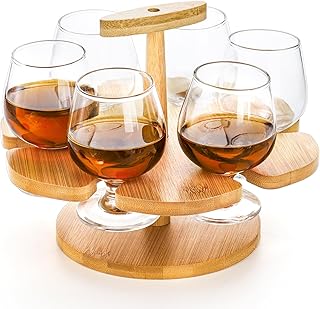
The physical characteristics of the beer glass itself can also impact the serving size. Different glass shapes are designed to enhance specific types of beer, and these shapes can dictate the appropriate volume. For example, a tulip glass, which is designed to trap the aromas of strong ales, might hold 10-12 ounces, while a tall pilsner glass could hold up to 16 ounces.
Lastly, individual preferences and tolerances should be considered. Some people might prefer smaller servings to savor the beer's flavors, while others might opt for larger servings for a more extended drinking experience. It's essential to be mindful of personal limits and the effects of alcohol consumption when determining an appropriate serving size.
Exploring Atlanta's Bar Scene: A Guide to Beer Servings
You may want to see also
Explore related products




Conversion of beer servings to ounces
In the United States, a standard serving of beer is typically defined as 12 fluid ounces. However, this can vary depending on the type of beer and the serving style. For instance, craft beers often come in larger servings, such as 16 or 20 ounces, while some bars and restaurants may serve beers in smaller quantities, like 8 or 10 ounces. Understanding these variations is crucial for accurately converting beer servings to ounces.
When converting beer servings to ounces, it's important to consider the alcohol by volume (ABV) percentage. A higher ABV beer will have more alcohol in a smaller volume compared to a lower ABV beer. For example, a 12-ounce serving of a 5% ABV beer will contain approximately 0.6 ounces of pure alcohol, while a 12-ounce serving of an 8% ABV beer will contain about 0.96 ounces of pure alcohol. This distinction is significant for those monitoring their alcohol intake.
Another factor to consider is the type of glassware used, as different shapes and sizes can affect the serving size. A pint glass, which is commonly used for serving beer, typically holds 16 ounces. However, some specialty beers may be served in smaller glasses, such as a tulip or snifter, which can hold anywhere from 8 to 12 ounces. Being aware of these differences can help ensure accurate conversions.
For those who prefer to drink beer from a bottle or can, it's essential to check the label for the serving size. Some beers may come in larger or smaller volumes than the standard 12 ounces. For instance, many craft beers are sold in 22-ounce bottles, which is equivalent to approximately 1.83 servings. Knowing the exact volume of the container can help in making precise conversions.
In summary, converting beer servings to ounces involves considering various factors such as the standard serving size, ABV percentage, type of glassware, and container volume. By taking these elements into account, individuals can make accurate conversions and better understand their alcohol consumption.
Pony's Pint Quota: Unraveling the Myth of Equine Bartenders
You may want to see also
Explore related products


Typical beer serving vessels and their capacities
In the realm of beer consumption, understanding the typical serving vessels and their capacities is crucial for both connoisseurs and casual drinkers alike. This knowledge not only helps in appreciating the nuances of different beer styles but also ensures responsible drinking practices. Let's delve into the various types of beer glasses and their standard capacities.
Pilsner Glass: This is one of the most common beer glasses, characterized by its tall, slender shape. It typically holds between 8 to 12 ounces (237 to 355 milliliters) of beer. The design of the Pilsner glass is intended to showcase the beer's color and clarity while also preserving its head, which is essential for maintaining the aroma and flavor profile of the beer.
Pint Glass: The pint glass is another widely recognized serving vessel, especially popular in the United Kingdom and the United States. It comes in two main sizes: the imperial pint, which holds 20 fluid ounces (568 milliliters), and the American pint, which contains 16 fluid ounces (473 milliliters). Pint glasses are versatile and can be used for a variety of beer styles, from ales to stouts.
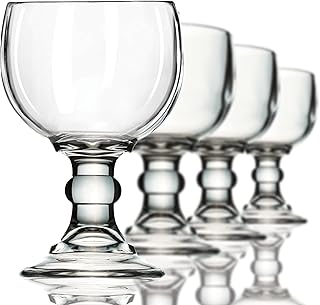
Tulip Glass: This glass is distinguished by its bulbous body and flared top, resembling a tulip flower. It is designed to enhance the aromatic experience of the beer, making it ideal for Belgian ales and other aromatic styles. Tulip glasses typically hold between 9 to 12 ounces (266 to 355 milliliters) of beer.
Snifter: Often used for strong ales and beers with high alcohol content, the snifter is a small, stemmed glass that holds about 4 to 6 ounces (118 to 177 milliliters) of beer. Its design allows the drinker to warm the beer slightly with their hand, releasing its complex aromas and flavors.
Growler: While not a traditional glass, the growler is a popular container for take-out beer from craft breweries. It is typically made of glass or metal and can hold 32 to 64 ounces (946 to 1893 milliliters) of beer. Growlers are designed to be reusable and are often used by beer enthusiasts to transport fresh, draft beer home.
Understanding these serving vessels and their capacities is not only about enjoying beer to its fullest potential but also about being mindful of portion sizes. Responsible drinking involves knowing how much beer you are consuming and being aware of your limits. By choosing the appropriate glass for your beer style and being conscious of the serving size, you can enhance your beer-drinking experience while also promoting safe and responsible consumption practices.
Maximizing Your Chances: Certified Beer Server Exam Preparation
You may want to see also
Frequently asked questions
A standard serving of beer is typically 12 ounces.
A 12-ounce beer is equivalent to approximately 355 milliliters.
A 6-pack of beer contains 6 servings, totaling 72 ounces.
The alcohol content of a typical 12-ounce beer varies, but it is commonly around 4-5% alcohol by volume (ABV).